



How to Hire Store Managers: Proven Steps to Find and Retain Top Talent for Your Business
Learn the best strategies to hire store managers, streamline your hiring process, and build a strong management team for your restaurant’s success.

How to Hire Store Managers: The Practical Guide for Small Businesses
Let’s face it—when you set out to hire store managers, you’re not just filling a position. You’re investing in the heartbeat of your business. Whether you run a quick-service restaurant, a retail shop, or a franchise, the right manager can make or break your team’s spirit, your bottom line, and even your own sanity. But how do you actually find the right person for the job, especially when the labor market feels like a never-ending game of musical chairs?
Why Great Store Managers Matter More Than Ever
Ever notice how a store with a strong manager just feels different? There’s a rhythm—like a well-rehearsed band—where everyone knows their part. According to industry research, high turnover among managers can send your turnover rates for hourly staff through the roof. And let’s not sugarcoat it: the cost of losing a manager is steep, with estimates putting it at thousands of dollars per departure.
So, if you’re hoping to find restaurant managers who stick around, you need a plan that goes beyond a “Help Wanted” sign in the window. The stakes are high, but the payoff is huge—lower turnover, higher sales, and a team that actually wants to show up for their shifts.
The Ripple Effect of Good Leadership
Strong managers don’t just keep the lights on; they build culture, drive sales, and keep your team engaged. Research shows that engaged managers lead to engaged staff, which means fewer no-shows and better customer experiences. If you ask me, that’s worth its weight in gold.
Where to Start: Defining the Role and Setting Expectations
Before you can recruit store supervisors or hire retail managers, you need to know exactly what you’re looking for. A vague job description is about as useful as a screen door on a submarine. Get specific. What are the must-have skills? What’s non-negotiable?
- Leadership style: Do you need a hands-on coach or a data-driven planner?
- Experience: Is industry experience a must, or are you open to training the right person?
- Tech-savvy: Can they handle scheduling software, digital onboarding, and payroll platforms?
- Culture fit: Will they mesh with your team and customers?
For inspiration, check out these tips for writing an effective employee handbook—they’re surprisingly helpful for shaping your job descriptions too.
Job Ads That Actually Work
Don’t just list duties—sell the opportunity. Highlight growth, flexibility, and perks. According to DoorDash’s report, benefits and clear advancement paths are magnets for top talent. For more ideas, see tips for calling out benefits in your job descriptions.
Finding and Attracting the Right Candidates
Now comes the fun (and sometimes frustrating) part: actually finding those unicorns. Traditional job boards are fine, but if you want to hire store managers who are a cut above, you’ll need to get creative.
Modern Sourcing Strategies
- Digital recruiting strategies—from social media to niche job boards—expand your reach.
- Employee referrals: Tap into your current team’s network. It’s old-school, but it works.
- Community outreach: Local colleges, industry groups, and even Facebook groups can be goldmines.
- Text-based hiring: Platforms like Workstream make it easy to connect with candidates where they already are—their phones.
And if you’re wondering about the latest trends, this recruitment marketing report is packed with insights.
Screening and Interviewing: Separating the Wheat from the Chaff
Screening isn’t just about weeding out weak candidates—it’s about finding the right fit. Use pre-employment assessments to measure skills, and don’t skip the cultural fit questions. For a deeper dive, check out motivational interviewing techniques and cultural fit interview questions that reveal more than a resume ever could.
Onboarding and Retaining Your New Manager
So you’ve made your pick. Now what? If you want your new manager to stick around, onboarding is where you set the tone. A clunky, paper-heavy process is a surefire way to start things off on the wrong foot. Instead, use digital onboarding templates to make things smooth, fast, and compliant.
Retention: Keep Them Happy, Keep Them Home
Retention is the name of the game. According to Modern Restaurant Management, turnover is a silent profit killer. Offer competitive pay, meaningful benefits, and—here’s the kicker—flexible scheduling. Studies like this one show that schedule instability drives managers away.
And don’t forget engagement. Use employee engagement strategies to keep your managers motivated and connected. A little recognition goes a long way—just ask any manager who’s gone above and beyond on a Friday night rush.
Compliance, Payroll, and the Not-So-Fun Stuff
Let’s be real: paperwork and compliance aren’t exactly thrilling, but they’re absolutely essential. The Department of Labor requires accurate recordkeeping for all employees, and mistakes can cost you big. That’s where an all-in-one platform like Workstream can save you time, money, and headaches—by automating payroll, scheduling, and compliance tracking in one place.
Want to see how the pros do it? Check out how Five Guys scaled their operations or why McDonald’s is still a franchise powerhouse—it all comes down to strong management and streamlined systems.
Common Pitfalls (And How to Dodge Them)
- Rushing the process: Desperation hires rarely work out. Take your time, even if you’re short-staffed.
- Ignoring culture fit: Skills can be taught, but attitude is everything.
- Poor onboarding: Don’t leave your new manager floundering—set them up for success from day one.
- Neglecting ongoing training: The best managers are always learning. Invest in their growth, and they’ll invest in your business.
For more on avoiding costly mistakes, see how one fast-food chain keeps turnover low and the main causes of turnover in hospitality.
Conclusion: Building a Strong Store Management Team
Hiring the right store manager is a bit like finding the perfect pair of boots—when you get it right, everything just fits. But it takes more than luck. It’s about having clear expectations, a smart recruitment process, and the right tools to support your team from day one.
If you’re ready to make your next hire the best one yet, consider how Workstream’s hiring automation can cut your time-to-hire in half, reduce turnover, and save you thousands each year. After all, your business deserves a manager who’s as invested in your success as you are. And honestly, isn’t that what we’re all looking for?
More Resources for Store Management Recruitment
.svg)


All your important HR tasks under one roof
Today’s business owners and HR teams are overwhelmed with administrative tasks: manual processes and exports, duplicative data entry, and siloed information. Workstream centralizes and simplifies people tasks so you can move fast, reduce labor costs, and simplify operations—all in one place.
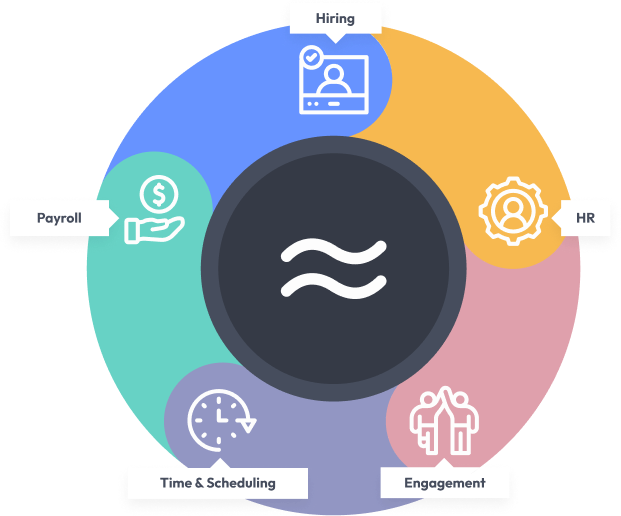

Hiring
Hire better quality workers, faster

HR
Streamline people processes and ensure employee records are always accurate

Engagement
Reduce turnover and increase worker engagement

Time & Scheduling
Manage schedules and hours worked to optimize your labor costs

Payroll
Pay your team quickly, easily, and accurately
resources
Become a hiring and onboarding expert.

Be smart with your hourly workforce
