



How to Hire Glaziers: Expert Tips for Recruiting, Interviewing, and Retaining Glass Workers
Learn effective strategies to hire glaziers, streamline your recruitment process, and find skilled candidates for your business with our comprehensive employer guide.

How to Hire Glaziers: A Practical Guide for Small Businesses
Ever tried to hire glaziers for your business and felt like you were looking for a unicorn? You’re not alone. Whether you’re a franchise owner, a contractor, or a small business manager, finding and keeping skilled glass workers can be a real challenge. Let’s walk through how to recruit, hire, and onboard glaziers who’ll stick around—and maybe even enjoy the work.
Understanding the Glazier Role: More Than Just Glass
Before you start posting job ads, it’s worth getting clear on what a glazier actually does. Sure, they install and repair glass, but there’s a lot more to it—think measuring, cutting, fitting, and sometimes even heavy lifting or working at heights. The best glaziers are part craftsman, part problem-solver, and all about safety. If you ask me, it’s a job that deserves more respect (and pay) than it sometimes gets.
Key Skills and Responsibilities
- Precise measuring and cutting of glass for windows, doors, storefronts, and specialty projects
- Installation of glass panels, mirrors, and sometimes decorative elements
- Glass repair work, including replacing broken panes and sealing leaks
- Reading blueprints and interpreting project specs
- Strong focus on safety and compliance with OSHA standards
For more on job description tips and crafting roles that attract the right candidates, check out this resource. And if you’re building out your employee handbook, here’s a great guide that’s surprisingly relevant even outside the restaurant world.
Recruiting Glaziers: Where to Look and How to Stand Out
Recruiting glaziers is a bit different from hiring for retail or food service. You’re looking for specific technical skills, and often, you’re competing with bigger contractors or union shops. Still, there are ways to make your business stand out—and not just by offering the highest hourly wage (though that never hurts).
Where to Find Qualified Glass Workers
- Online job boards and trade-specific sites
- Word of mouth—don’t underestimate the power of your current team’s network
- Vocational schools and apprenticeship programs
- Social media—yes, even Instagram can help; see these Instagram hiring tips
- Local unions or trade associations
Want to improve your recruit glaziers strategy? Here’s an overview of proactive candidate sourcing. And if you’re stuck on how to write a compelling job post, these job posting examples can help you get started.
What Attracts Glaziers to Your Business?
- Benefits and perks—health insurance, paid time off, and even flexible scheduling matter
- Clear career growth paths and training opportunities (training tips here)
- Safe, well-maintained equipment and a culture that values safety
- Competitive pay—get a sense of the market by comparing hourly wages across companies
Honestly, if your business can’t offer a little more than “just a paycheck,” you’ll be fighting an uphill battle. The cost of turnover is just too high to ignore.
The Hiring Process: Screening, Interviewing, and Compliance
Now, let’s get down to brass tacks. Once you’ve got candidates, how do you separate the pros from the pretenders? And how do you make sure you’re not missing anything on the compliance front?
Screening and Interviewing Tips
- Use pre-employment assessments to check technical skills
- Ask about real-world scenarios—“What would you do if a pane cracked during installation?”
- Include cultural fit questions; see these cultural fit interview questions
- Check references, especially from past supervisors in glass installation or repair
For a deeper dive into interviewing, the STAR method can help you get meaningful answers. And don’t forget, background checks are a must in this line of work.
Compliance and Recordkeeping
Here’s the thing: compliance isn’t just a box to check. It protects you and your team. Make sure you’re following Department of Labor recordkeeping rules and that your onboarding process is airtight. Digital onboarding tools, like those offered by Workstream, can help you keep everything organized and reduce manual errors.
If you’re not sure how to structure your onboarding, these onboarding templates are a lifesaver. And for a broader look at onboarding’s impact, check out these onboarding statistics.
Retention: Keeping Your Glaziers Happy (and on Payroll)
Let’s be honest—hiring is only half the battle. Keeping good glaziers is where the real work begins. High turnover in the trades isn’t just a headache; it’s expensive. According to industry research, turnover costs can eat into your margins faster than you’d think.
Why Do Glass Workers Leave?
- Poor management or lack of appreciation (management style matters)
- Unsafe or uncomfortable working conditions
- No clear path to advancement or upskilling (employee rewards study)
- Inflexible schedules—see how schedule control can make a difference
Want to cut your turnover rate in half? It’s not just about money. Understanding the causes of turnover—and addressing them head-on—can save you thousands each year. And, if you’re curious about how benefits can help, this DoorDash report is surprisingly relevant even outside restaurants.
Retention Strategies That Work
- Offer ongoing training and certification opportunities
- Recognize and reward good work—sometimes a simple thank you goes a long way (advice here)
- Provide clear communication channels (and use tools that make it easy)
- Use technology to streamline scheduling and payroll, reducing administrative headaches for everyone
Honestly, if you’re still using paper timesheets or juggling seven different HR tools, it might be time to look at an all-in-one platform like Workstream. It can help you cut labor costs, keep your team connected, and make compliance a breeze. Plus, you’ll spend less time in the back office and more time building relationships with your crew.
Conclusion: Building a Strong Glazier Team—One Hire at a Time
Hiring and retaining glaziers isn’t rocket science, but it does take intention, patience, and the right tools. From writing a clear job description to using smart screening and onboarding, every step matters. And when you get it right, you’ll see lower turnover, higher job satisfaction, and—let’s be real—a lot less stress.
If you’re ready to take your hiring process to the next level, consider using Workstream’s hiring automation to speed things up and reduce errors. And if you want to learn more about how technology can help you manage your hourly workforce, read about Workstream or reach out for a demo. After all, your glaziers deserve the best—and so does your business.
More Resources from Workstream
.svg)


All your important HR tasks under one roof
Today’s business owners and HR teams are overwhelmed with administrative tasks: manual processes and exports, duplicative data entry, and siloed information. Workstream centralizes and simplifies people tasks so you can move fast, reduce labor costs, and simplify operations—all in one place.
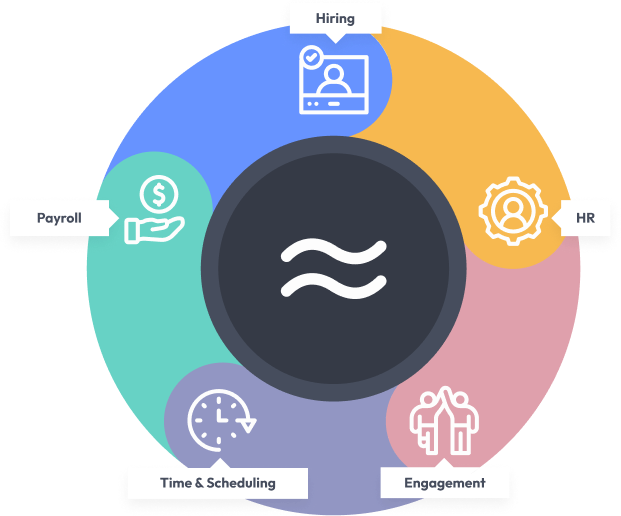

Hiring
Hire better quality workers, faster

HR
Streamline people processes and ensure employee records are always accurate

Engagement
Reduce turnover and increase worker engagement

Time & Scheduling
Manage schedules and hours worked to optimize your labor costs

Payroll
Pay your team quickly, easily, and accurately
resources
Become a hiring and onboarding expert.



Be smart with your hourly workforce
