



How to Hire Carpenters: Streamline Carpenter Recruitment for Your Business
Streamline how you hire carpenters and recruit skilled woodworking professionals with Workstream’s all-in-one platform—making carpenter recruitment, onboarding, and scheduling fast and efficient.

How to Hire Carpenters: A Practical Guide for Small Business Owners
If you’ve ever tried to hire carpenters—whether for a booming restaurant build, a retail renovation, or just to keep up with customer demand—you know the process can feel a little like trying to find a needle in a haystack. The stakes are high: get it right, and your business hums along; get it wrong, and you’re left patching up both woodwork and workplace morale. So, what’s the secret sauce for recruiting skilled carpenters who’ll stick around and help your business grow?
Understanding the Realities of Carpenter Recruitment
Let’s be honest—finding reliable folks to hire for carpentry jobs isn’t as easy as posting on Craigslist or hanging a sign in the window anymore. The labor market is tight, and skilled tradespeople are in demand everywhere. If you ask me, it’s not just about finding someone who can swing a hammer; it’s about building a team that fits your company culture and can handle the unique pressures of your industry.
Why Quality Matters More Than Ever
The cost of a bad hire can be enormous, especially when you factor in training time, lost productivity, and even potential safety issues. According to industry research on turnover costs, losing a front-line employee can set you back thousands of dollars. That’s money better spent on growing your business—or maybe even that new espresso machine for the break room.
Digging Into the Labor Pool
- Staffing industry data shows that there are millions of workers moving through staffing agencies each year, but competition for talent is fierce.
- Many companies are loosening job requirements to attract more applicants, but that can be risky if you need specific woodworking skills.
- Don’t overlook the value of committed employees—sometimes attitude trumps experience.
How to Recruit Skilled Carpenters (Without Losing Your Mind)
You want to hire woodworking professionals who show up on time, do quality work, and fit in with your team. But where do you start? Here’s the thing: successful carpenter recruitment is part art, part science, and a dash of good old-fashioned grit.
Crafting the Right Job Description
Your job post should be specific about the skills needed—think finish carpentry, framing, cabinetry—not just “general labor.” For inspiration, check out these job posting examples designed to attract high-quality hourly workers. And if you want your listing to pop off the screen, try these creative tips for job postings.
Don’t forget to mention benefits and growth opportunities. According to research on benefits and recruitment, perks like instant pay access or flexible schedules can make your offer irresistible—especially in a competitive market.
Sourcing Candidates Where They Are
- Use platforms built for hourly hiring—Workstream’s carpenter hiring platform is tailored for this exact need.
- Don’t ignore social media! Posting jobs on Instagram or Facebook can reach younger or more tech-savvy candidates. Here’s how to use Instagram for hiring hourly workers.
- If you’re recruiting from within, consider what motivates your best employees. Sometimes the best carpenters are already on your team—just waiting for a chance to move up.
Screening and Interviewing: Beyond the Resume
Honestly, resumes don’t always tell the whole story. Use structured interviews with scenario-based questions. For example, ask how they’d handle a last-minute change in project specs or what they’d do if a tool went missing. If you want to dig deeper into interview techniques, check out these motivational interviewing tips.
And don’t forget cultural fit—sometimes that’s the glue that keeps your team together. These cultural fit interview questions can help you spot red flags before they become real headaches.
The Compliance & Cost Side of Hiring Carpentry Staff
If you’re like most small business owners, compliance can feel like an endless maze of paperwork and legal jargon. But here’s a hard truth: failing to follow wage laws or keep proper records can cost you dearly. The Department of Labor spells out required recordkeeping rules, which apply to all nonexempt workers—including carpenters.
Wages, Benefits, and Pay Compression
Pay transparency is trending—and for good reason. According to a Robert Half survey, over half of U.S. companies have experienced pay compression in the last year. Make sure your pay rates reflect skill level and experience; otherwise, you risk losing your best people to competitors down the street.
If you’re unsure what to offer, compare your wages against these hourly wage benchmarks. And remember—offering daily pay options or better benefits can tip the scales in your favor (learn about instant pay access here).
Avoiding Legal Pitfalls (and Lawsuits!)
- Stay up-to-date on safety training and certifications—carpentry is hands-on work with real risks.
- Document everything: hours worked, breaks taken, and any on-the-job injuries.
- If you’re not sure about legal requirements, consult with an employment attorney or check out resources from firms like Fisher Phillips.
- Automated HR platforms (like Workstream) can help you stay compliant and organized without drowning in paperwork.
Disclaimer: This article does not constitute legal advice. Always consult with a qualified professional regarding employment law compliance in your state or locality.
The Human Element: Retention, Culture & Teamwork
Let’s face it—finding great people is only half the battle. Keeping them engaged and happy is where the magic happens (and where many businesses stumble). High turnover is expensive and disruptive; according to Modern Restaurant Management's analysis of turnover costs, it can eat into profits faster than you’d think.
Cultivating Loyalty Among Carpentry Staff
- Create clear paths for advancement—nobody wants to feel stuck swinging a hammer forever.
- Celebrate milestones and recognize hard work; even small gestures matter. For ideas, see this guide to celebrating work anniversaries.
- Encourage teamwork and open communication. Strong teams are more productive and less likely to jump ship (tips for improving teamwork here).
- If conflict arises (and it will), address it head-on with empathy and fairness. For more on managing tough personalities, check out these strategies for handling difficult employees.
The Role of Technology in Modern Carpenter Recruitment
If you haven’t explored digital hiring tools yet, now’s the time. Platforms like Workstream's hiring automation suite streamline everything from screening applicants to scheduling interviews—saving hours every week and cutting time-to-hire by half. That means less time shuffling resumes and more time getting projects done right.
Pro tip: Automating repetitive HR tasks isn’t just about saving money (though you could cut costs by up to $30K per year). It’s about freeing up your managers—so they can focus on building relationships with both workers and customers.
The Bottom Line: Building Your Dream Carpentry Team
If you want to hire carpenters who’ll stick around and help your business thrive, it takes more than luck or gut instinct. You need a thoughtful approach—from crafting compelling job posts to streamlining onboarding and nurturing workplace culture. And while technology can’t replace good old-fashioned leadership, it sure can make life easier when it comes to recruiting skilled carpenters at scale.
The good news? With smart tools, clear processes, and a people-first mindset, you’ll be well on your way to building a crew that’s as reliable as a dovetail joint—and twice as strong.
Ready to Start Hiring?
- Find qualified carpenters today with Workstream’s carpenter recruitment platform
- Explore streamlined hiring solutions for restaurants and hospitality businesses
- Learn how leading franchises scale their workforce efficiently
- Get tips on highlighting benefits in your job descriptions
- Discover how Workstream supports new hire onboarding for hourly teams
.svg)


All your important HR tasks under one roof
Today’s business owners and HR teams are overwhelmed with administrative tasks: manual processes and exports, duplicative data entry, and siloed information. Workstream centralizes and simplifies people tasks so you can move fast, reduce labor costs, and simplify operations—all in one place.
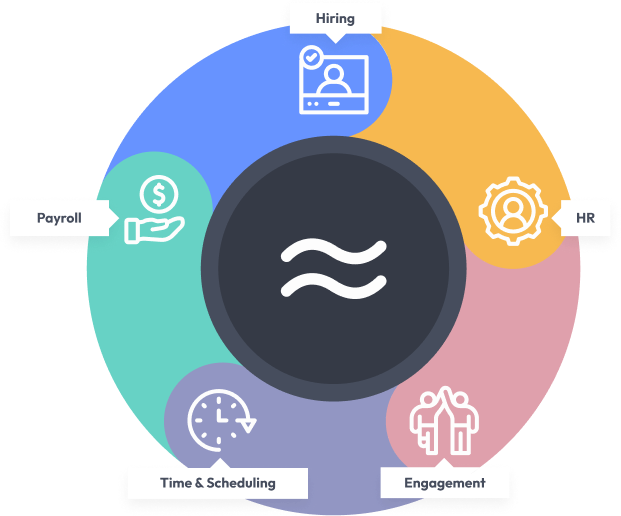

Hiring
Hire better quality workers, faster

HR
Streamline people processes and ensure employee records are always accurate

Engagement
Reduce turnover and increase worker engagement

Time & Scheduling
Manage schedules and hours worked to optimize your labor costs

Payroll
Pay your team quickly, easily, and accurately
resources
Become a hiring and onboarding expert.



Be smart with your hourly workforce
