



How to Hire Babysitters: A Practical Guide for Small Business Owners
Discover proven strategies to hire babysitters, find top childcare workers, and streamline your hiring process with Workstream’s all-in-one HR platform.

How to Hire Babysitters: A Practical Guide for Small Business Owners
If you’ve ever tried to hire babysitters for your business or family, you know it’s not as breezy as posting a flyer at the local coffee shop. The stakes are high—parents trust you with their most precious people, and one bad hire can shake your reputation. From finding childcare workers to building a reliable babysitting service, this guide covers the essentials and the curveballs. Let’s break it down, with a few digressions and some hard-earned wisdom from the field.
Getting Started: What Does It Really Mean to Hire Babysitters?
Before you start sifting through applications, pause for a second. Are you looking to recruit babysitting staff for a daycare, a restaurant with on-site childcare, or just for personal use? Each scenario has its own quirks and legal wrinkles. If you’re running a business, you’ll want to check out federal recordkeeping requirements and make sure your hiring process is squeaky clean.
Why the Rush? Turnover and Retention in Childcare
High turnover isn’t just a restaurant problem—it’s rampant in childcare too. According to industry research on turnover, losing a single hourly worker can cost thousands in recruitment and lost productivity. That’s why it pays (literally) to invest in smarter hiring and retention strategies.
Defining Your Needs: Babysitter, Nanny, or Child Care Provider?
- Babysitter: Usually part-time, flexible, often for evenings or weekends.
- Nanny: More regular hours, sometimes live-in, expected to handle more than just supervision.
- Child Care Provider: May refer to licensed professionals in daycare or group settings.
Each role comes with different expectations and compliance needs. If you’re unsure where your needs land, check out this guide on hourly vs. salaried roles.
Sourcing Talent: Where and How to Find Childcare Workers
The old methods—word of mouth, church bulletins, Facebook groups—still work, but digital tools have changed the game. Honestly, if you ask me, not leveraging tech is like using a flip phone in an iPhone world.
The Digital Shift: Posting Jobs Where People Actually Look
- Free job boards tailored for hourly or part-time workers
- Instagram recruiting tips for reaching younger candidates
- Digital recruiting strategies that expand your reach
- Onboarding and training best practices for hourly hires
If you’re hiring at scale—say, for a franchise or multi-location business—consider platforms like Workstream’s hiring automation, which helps you cut your time-to-hire in half and reduce turnover by up to 50%.
Recruit Babysitting Staff with a Standout Job Description
A bland job post is like cold oatmeal—nobody wants it. Highlight what makes your opportunity unique. Flexible schedules? Family discounts? Paid training? Check out these job posting examples and creative tips for job postings to attract quality applicants.
The Screening Process: Separating the Wheat from the Chaff
You’ve got applicants—now what? Screening isn’t just about background checks (though those are crucial). It’s about finding someone who fits your culture and can handle the curveballs kids throw (sometimes literally).
Interviewing for Fit and Safety
- Ask scenario-based questions—“What would you do if a child refuses to eat lunch?”
- Assess emotional intelligence; kids pick up on vibes more than adults do.
- Use structured interview guides like these motivational interviewing techniques.
- Don’t forget about cultural fit—see these cultural fit interview questions.
And yes, always check references—and consider using digital workflows that automate reminders and document collection, like those offered by Workstream’s onboarding tools.
Compliance & Legal Must-Knows (Don’t Skip This!)
This is where things get real. Depending on your state, you may need to run background checks, verify CPR certifications, and maintain records per Department of Labor guidelines. For businesses, failing here can mean hefty fines or worse. When in doubt, consult an employment attorney or HR professional.
Disclaimer: This article provides general information only and does not constitute legal advice. Always check local regulations before making hiring decisions.
Onboarding & Retaining Babysitting Talent: The Secret Sauce
You’ve found “the one”—or maybe a few—but the work doesn’t stop at “You’re hired!” Onboarding is where you set the tone for loyalty and performance. According to industry studies on benefits and retention, perks like flexible scheduling and instant pay access can make all the difference.
Smooth Onboarding: First Impressions Matter
- Create a checklist using templates like these onboarding templates
- Automate paperwork—nobody likes chasing signatures.
- Offer shadow shifts so new hires can learn on the job.
- Communicate expectations clearly; ambiguity breeds anxiety.
If you want to keep things running like clockwork, digital onboarding platforms such as Workstream’s HR suite can help reduce onboarding time from hours to minutes.
Retention: Why Babysitters Leave (and How to Keep Them)
Babysitters leave for many reasons—burnout, lack of flexibility, or feeling undervalued. Research shows that flexible scheduling is key (see this Chief Talent Officer article on scheduling and mental health). Consider offering:
- Instant pay access: Learn how this works in practice with instant pay solutions
- Recognition programs: Celebrate milestones (even small ones!)—see ideas in this work anniversary guide
- Flexible scheduling: Use tools like a 24-hour schedule template
- Clear communication: Regular check-ins keep issues from festering.
If you struggle with turnover (and who doesn’t?), these insights on causes of employee turnover in hospitality and how to fix them are worth a read.
The Business Case: Why Streamlining Your Babysitter Hiring Process Matters
You might be thinking—“All this sounds great, but does it really move the needle?” Absolutely. Streamlined hiring saves money, reduces stress, and boosts your reputation. Platforms like Workstream’s hiring automation tools let you replace multiple products with one seamless system—saving thousands annually. And when compliance headaches vanish? That’s priceless peace of mind.
A Few Final Tips (Because You Asked)
- Stay current: Trends shift fast—keep learning with resources like this recruitment marketing benchmark report
- Benchmark pay rates: See what top companies offer in this hourly wage comparison guide
- Cultivate culture: A positive workplace keeps staff coming back—read about its impact on turnover in this study on job satisfaction and turnover intention
- Ask for feedback: Sometimes the best ideas come from your team. Don’t be afraid to listen!
The Bottom Line: Your Next Steps in Hiring Babysitters
If you want to build a reliable babysitting service or simply hire child care providers who stick around, focus on clarity, speed, and empathy. Use digital tools where they make sense (and save time), but never lose sight of the human element. For more practical advice on managing hourly staff, check out these resources:
- Find hourly workers with Workstream’s platform
- Restaurant hiring: What you need to know
- Traits of committed employees
- Guide to being an HRIS analyst
- How Five Guys grew from 5 stores to 1500
If you’re ready to make your next hire—or just want to see how much smoother things could be—consider exploring how Workstream can help you find, recruit, and retain top babysitting talent without breaking a sweat.
.svg)


All your important HR tasks under one roof
Today’s business owners and HR teams are overwhelmed with administrative tasks: manual processes and exports, duplicative data entry, and siloed information. Workstream centralizes and simplifies people tasks so you can move fast, reduce labor costs, and simplify operations—all in one place.
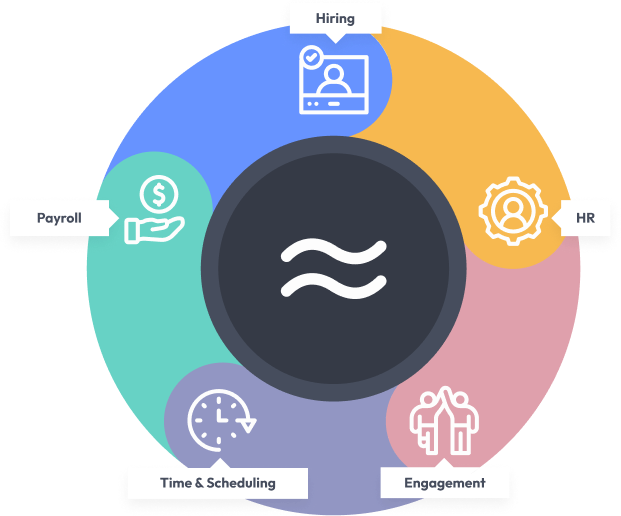

Hiring
Hire better quality workers, faster

HR
Streamline people processes and ensure employee records are always accurate

Engagement
Reduce turnover and increase worker engagement

Time & Scheduling
Manage schedules and hours worked to optimize your labor costs

Payroll
Pay your team quickly, easily, and accurately
resources
Become a hiring and onboarding expert.



Be smart with your hourly workforce
