



How to Hire Delivery Boys: Streamline Delivery Driver Recruitment for Your Business
Streamline how you hire delivery boys with Workstream’s mobile-first platform—automate delivery driver recruitment, onboard faster, and manage your delivery staff with ease.

How to Hire Delivery Boys: A Practical Guide for Small Businesses
Let’s be honest—if you run a restaurant, grocery, or any business that relies on getting goods from A to B, figuring out how to hire delivery boys (or, more inclusively, delivery drivers) can feel like a never-ending game of whack-a-mole. You fill one spot, and suddenly, you’re back at square one. But what if you could make the process smoother, faster, and—dare I say—almost enjoyable? Let’s break down what works, what doesn’t, and how you can build a delivery team that sticks around.
Why Delivery Staff Turnover Is So High (And What You Can Do About It)
First, a quick reality check: turnover in delivery roles is notoriously high. According to industry research, the restaurant and delivery sector faces some of the highest churn rates out there. Why? Well, the reasons range from low pay and unpredictable hours to a lack of benefits and, sometimes, just plain burnout. If you ask me, it’s a wonder anyone sticks around at all.
But here’s the thing—businesses that invest in better benefits and engagement see a dramatic drop in turnover. In fact, some fast-food chains have managed to keep their turnover rates “absurdly low” by focusing on training and culture, as highlighted in this Harvard Business Review article. So, what can you do to keep your delivery team happy and loyal?
- Offer flexible schedules and fair pay—nobody wants to feel like they’re just a cog in the machine.
- Provide clear paths for advancement, even if it’s just a bump in pay or a new title.
- Invest in onboarding and training, so new hires feel confident from day one.
- Use technology to streamline communication and scheduling—trust me, nobody likes chasing down their next shift via text message chaos.
For more on why employees leave and how to fix it, check out this deep dive into hospitality turnover and this guide to reducing restaurant turnover.
Step-by-Step: How to Recruit Delivery Staff That Actually Stick Around
1. Write Job Posts That Attract the Right People
It all starts with the job ad. If your post is bland or confusing, you’ll get the wrong applicants—or none at all. Use clear, direct language and highlight what makes your business a great place to work. Need inspiration? Here are some job posting examples that actually work for hourly roles.
Don’t forget to mention:
- Pay rates and tips (if applicable)
- Schedule flexibility
- Any perks or benefits (even small ones count!)
- Opportunities for growth
For a creative edge, check out these tips to make your job posting stand out.
2. Use the Right Channels to Find Candidates
Honestly, posting on the same old job boards isn’t enough anymore. Many successful businesses are turning to social media—especially Facebook and Instagram—to reach potential delivery drivers. Here’s a guide to using Instagram for hiring that’s surprisingly effective for the younger crowd.
And don’t overlook free job boards. This list of free job posting sites can help you cast a wider net without breaking the bank.
3. Screen and Interview Efficiently
Time is money, especially when you’re short-staffed. Automating your hiring process can cut your time-to-hire in half. That’s not just a sales pitch—it’s a real game-changer for small businesses. Automated screening and interview scheduling mean you spend less time on paperwork and more time meeting the people who could be your next star driver.
For more on hiring automation, see how Taco Bell uses technology to speed up hiring and why McDonald’s remains a leader in franchise hiring.
4. Onboard and Train for Success
Once you’ve found the right people, don’t just toss them the keys and hope for the best. A solid onboarding process can reduce no-shows and boost retention. Digital onboarding tools—like those offered by Workstream—make it easy for new hires to complete paperwork, learn the ropes, and get started fast.
For more onboarding tips, check out this guide to creating an employee handbook and this webinar on hiring and onboarding do’s and don’ts.
Compliance, Pay, and Scheduling: Don’t Get Caught Off Guard
Here’s where things can get a little dicey. Delivery driver recruitment isn’t just about finding warm bodies—it’s about staying compliant with labor laws, tracking hours, and making sure everyone gets paid on time. The Department of Labor has strict recordkeeping requirements for hourly workers, and missing the mark can cost you big.
Workstream’s all-in-one HR and payroll platform is designed to help you stay on top of compliance, scheduling, and payroll—so you don’t have to juggle seven different tools (and seven different headaches). In fact, switching to a single platform can save you up to $30,000 a year in HR tool costs. Not too shabby, right?
For more on pay trends and compliance, see how McDonald’s handles hourly pay and why Starbucks’ benefits package is a model for the industry.
Common Pitfalls in Delivery Service Recruitment (And How to Avoid Them)
Even the best-laid plans can go sideways. Here are a few traps to watch out for:
- Ignoring the importance of benefits—benefits matter more than you think.
- Failing to communicate—missed shifts and no-shows often come down to poor communication. Use team-wide messaging tools to keep everyone in the loop.
- Overlooking compliance—labor law violations can sneak up on you. Stay organized and keep good records.
- Not tracking turnover costs—losing a delivery driver can cost you thousands. This breakdown of turnover costs is a real eye-opener.
And if you’re curious about what makes employees stick around, this survey on restaurant employee happiness is worth a look.
Conclusion: Building a Delivery Team That Lasts
Hiring delivery boys—or delivery drivers, if you prefer a more modern term—doesn’t have to be a constant headache. With the right approach, you can recruit delivery staff who are reliable, engaged, and ready to help your business grow. Focus on clear job posts, smart recruiting channels, efficient screening, and solid onboarding. Don’t forget the importance of compliance and communication, and always keep an eye on what your team needs to stay happy.
If you’re ready to make delivery driver recruitment less of a hassle, consider a platform like Workstream—it’s built for businesses like yours, and it just might be the secret ingredient you’ve been missing.
Related Resources from Workstream
- Learn more about hiring automation for hourly roles
- Explore free job posting sites for delivery staff
- Discover creative job posting tips to attract top talent
- Find out how Instagram can help you hire delivery drivers
- See how major brands pay their hourly workers
.svg)


All your important HR tasks under one roof
Today’s business owners and HR teams are overwhelmed with administrative tasks: manual processes and exports, duplicative data entry, and siloed information. Workstream centralizes and simplifies people tasks so you can move fast, reduce labor costs, and simplify operations—all in one place.
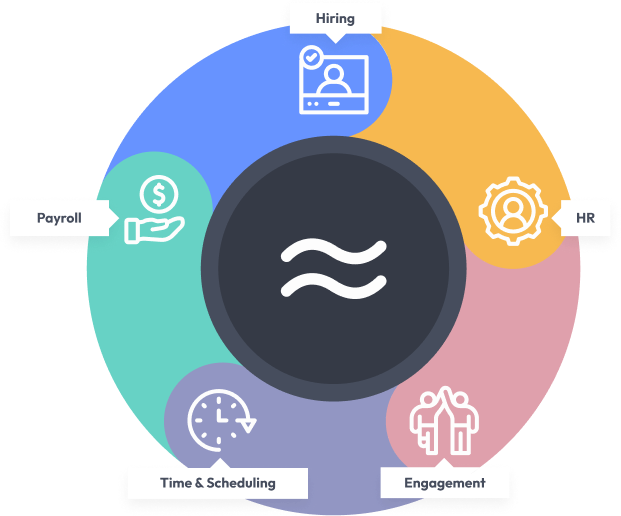

Hiring
Hire better quality workers, faster

HR
Streamline people processes and ensure employee records are always accurate

Engagement
Reduce turnover and increase worker engagement

Time & Scheduling
Manage schedules and hours worked to optimize your labor costs

Payroll
Pay your team quickly, easily, and accurately
resources
Become a hiring and onboarding expert.


Be smart with your hourly workforce
