



How to Hire Sales Specialists: Step-by-Step Tips to Attract, Screen, and Retain Top Talent
Discover proven strategies to hire sales specialists, attract top talent, and build a high-performing sales team with our comprehensive, step-by-step hiring guide.

How to Hire Sales Specialists: Your Guide to Building a High-Performing Sales Team
If you’ve ever tried to hire sales specialists for your business, you know it’s a bit like finding that perfect cup of coffee—sometimes elusive, but oh-so-worth it when you get it right. Whether you’re running a bustling restaurant, a local franchise, or a growing retail shop, building a stellar sales team is the heartbeat of your revenue engine. So, how do you actually recruit sales staff who’ll drive results and stick around for the long haul?
The Sales Specialist Recruitment Landscape: Why It’s Tough (But Not Impossible)
Let’s be real—turnover in sales is a headache for nearly every business owner. According to industry reports, high turnover rates can cost you more than just time; they eat into your profits and disrupt customer relationships. The restaurant and retail sectors, in particular, are notorious for this. If you’ve ever felt like you’re in a revolving door of hiring and training, you’re not alone.
But here’s the thing: the right approach to sales specialist recruitment can cut that turnover in half. The key is to focus on culture fit, clear expectations, and leveraging tech that makes the process smoother for everyone involved. For instance, hiring automation platforms like Workstream can help you screen, schedule, and onboard candidates faster, so you spend less time shuffling paperwork and more time closing deals.
Understanding What Makes a Great Sales Specialist
- Attitude over experience: Research from Harvard Business Review suggests hiring for attitude and training for skill is a winning formula, especially in high-turnover industries.
- Communication skills: Sales is all about connection. If a candidate can’t engage you in a genuine conversation, they probably won’t connect with your customers either.
- Resilience: Let’s face it, sales comes with rejection. Look for folks who bounce back and keep their eyes on the prize.
For more on what makes a committed team member, check out these traits of committed employees.
Recruit Sales Staff: Where to Find and How to Attract the Right Talent
So, where do you actually find sales professionals who fit your business? Job boards, referrals, and even social media are all fair game. But there’s a twist—today’s candidates expect speed and transparency. If your process drags on, you’ll lose top talent to the competition. According to Appcast’s 2023 Benchmark Report, the faster you respond, the better your chances.
Smart Sourcing: Beyond the Job Board
- Digital recruiting strategies can widen your reach and help you target passive candidates who aren’t actively job hunting.
- Tap into your network—employee referral programs are proven to bring in high-quality hires. For tips on building a referral system, check out this SHRM toolkit.
- Don’t overlook creative approaches; sometimes the best candidates come from unexpected places. For inspiration, see these creative recruitment ads.
And if you’re looking for templates or guidance on crafting a killer job post, these job posting examples can help you stand out.
Sales Team Hiring: Screening, Interviewing, and Making the Offer
Here’s where the rubber meets the road. You’ve got applicants—now what? Screening for sales roles requires a mix of gut instinct and structured process. Don’t just rely on resumes; use behavioral interviews and assessments to see how candidates handle real-world scenarios.
Interviewing for Sales Grit
- Ask situational questions—how did they handle a tough customer? What’s their proudest sales win?
- Use proven frameworks like the STAR Method to keep interviews focused and fair.
- Consider pre-employment assessments to objectively measure sales aptitude. Platforms like eSkill offer customizable tests for this purpose.
And don’t forget, a speedy process matters. With tools like Workstream’s hiring automation, you can cut your time-to-hire by half and reduce interview no-shows by 55%. That’s not just a stat—it’s a real competitive advantage.
Making the Offer: Sealing the Deal
When you’ve found your star, don’t drag your feet. Make a compelling offer quickly. Highlight benefits, growth opportunities, and your company culture. According to a DoorDash report, benefits packages are a major factor in attracting and retaining top talent, especially in hourly and sales roles.
Want to call out your perks more effectively? Here are tips for highlighting benefits in job descriptions.
Retaining Your Sales Team: The Often-Overlooked Step
Hiring is just the beginning. Keeping your sales specialists engaged is where the magic happens. High turnover can cost you big—some estimates put it at up to 200% of an employee’s annual salary (Modern Restaurant Management). That’s not pocket change.
Engagement and Retention Strategies
- Invest in onboarding—great onboarding reduces turnover and ramps up productivity. For onboarding templates, see these resources.
- Provide ongoing training and clear career paths. According to Harvard Business Review, young hourly workers are more likely to stay if they see room to grow.
- Recognize and reward performance. Even a simple shoutout can go a long way—see work anniversary celebration ideas for inspiration.
And if you want to see how leading brands keep their teams happy, check out this survey on what makes restaurant employees happy.
Practical Tips and Common Pitfalls in Sales Specialist Hiring
Let’s wrap up with a few practical pointers—because, honestly, even the best of us have tripped up a time or two.
- Don’t rush the process, but don’t stall either. The best candidates move fast. If you’re too slow, someone else will scoop them up.
- Be clear about expectations. Vague job descriptions lead to mismatched hires. For help, see these employee handbook tips.
- Stay compliant. Keep accurate records and follow wage laws. The Department of Labor has guidelines every employer should know.
- Leverage technology. Platforms like Workstream can replace multiple HR tools, saving you up to $30K a year and freeing you up to focus on people, not paperwork.
Don’t Forget to Measure and Adjust
Track your hiring metrics—time-to-hire, turnover rate, and employee satisfaction. For more on benchmarking, check out SHRM’s benchmarking resources. If something’s not working, don’t be afraid to tweak your process. Flexibility is the name of the game.
Conclusion: The Road to a Stronger Sales Team Starts Here
Building a high-performing sales team isn’t just about filling seats—it’s about finding the right people, supporting them, and creating an environment where they can thrive. If you ask me, the secret sauce is a mix of smart recruiting, fast and fair screening, and a genuine investment in your people. And hey, if you’re looking for a partner to help streamline the whole process, Workstream is built for hourly businesses just like yours.
Ready to take the next step? Explore these resources for more insights on hiring, onboarding, and managing your sales team:
.svg)


All your important HR tasks under one roof
Today’s business owners and HR teams are overwhelmed with administrative tasks: manual processes and exports, duplicative data entry, and siloed information. Workstream centralizes and simplifies people tasks so you can move fast, reduce labor costs, and simplify operations—all in one place.
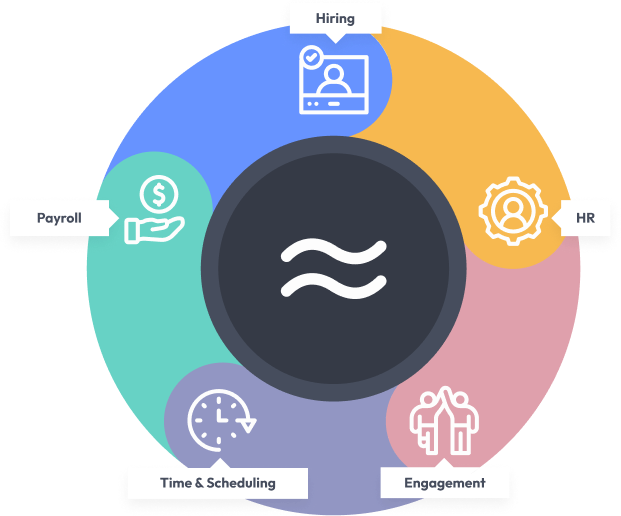

Hiring
Hire better quality workers, faster

HR
Streamline people processes and ensure employee records are always accurate

Engagement
Reduce turnover and increase worker engagement

Time & Scheduling
Manage schedules and hours worked to optimize your labor costs

Payroll
Pay your team quickly, easily, and accurately
resources
Become a hiring and onboarding expert.



Be smart with your hourly workforce
