



How to Hire Dialysis Technicians: Streamline Recruitment for Renal Care Staff with Workstream
Streamline how you hire dialysis technicians with Workstream’s all-in-one HR platform—automate recruitment, onboarding, and compliance to build a reliable renal care team faster.

How to Hire Dialysis Technicians: A Practical Guide for Clinics and Renal Care Providers
Let’s be honest—trying to hire dialysis technicians can feel a bit like finding a needle in a haystack, especially with the ongoing shortage of skilled medical staff. Whether you’re running a bustling urban clinic or a small-town dialysis center, getting the right people in the door is make-or-break for patient care and your bottom line. So, how do you build a team of reliable, compassionate, and certified renal care staff without losing your mind (or your budget)? Let’s break it down, one step at a time.
Understanding the Role: What Makes a Great Dialysis Technician?
First things first: not all medical technicians are created equal. Dialysis techs are the unsung heroes of nephrology, balancing technical know-how with a bedside manner that puts anxious patients at ease. If you ask me, the best candidates are equal parts detail-oriented and empathetic—think of them as the quarterbacks of your renal care team.
Key Skills and Certifications
- Certification from a recognized body (like CHT or CCHT)
- Experience with dialysis machines and patient monitoring
- Strong communication and teamwork skills
- Understanding of infection control and compliance standards
Don’t forget, recordkeeping and compliance are non-negotiable in healthcare. You’ll want to make sure your new hires are up to speed on the latest protocols, and that you’re keeping all the right documentation on file.
Dialysis Tech Recruitment: Where to Find the Right Candidates
Here’s the thing: traditional job boards sometimes miss the mark for specialized roles like this. Instead, try a mix of digital and community-based outreach. For example, digital recruiting strategies can help you tap into a wider pool of candidates, while local partnerships with vocational schools and medical training programs can bring in fresh talent.
Effective Job Postings
- Highlight growth opportunities and benefits—these matter more than you might think (see how benefits impact recruitment).
- Be clear about shift expectations and overtime policies.
- Use plain language and avoid jargon that might turn off entry-level applicants.
If you’re not sure how to craft the perfect job ad, check out these job posting examples for inspiration. And if you’re recruiting for multiple locations or roles, a platform like Workstream’s hiring automation can help you streamline the process, saving you hours each week and reducing your tool costs by up to 50%.
Screening and Interviewing: Separating the Best from the Rest
Honestly, the interview stage is where many clinics stumble. It’s tempting to rush through, especially when you’re short-staffed, but a little extra effort here pays off big time in retention and patient satisfaction. Use motivational interviewing techniques to gauge a candidate’s commitment and cultural fit. And don’t be afraid to ask about real-world scenarios—how would they handle a machine alarm, or a nervous first-time patient?
Red Flags and Green Lights
- Red flag: Vague answers about compliance or safety protocols
- Green light: Specific examples of teamwork or patient advocacy
- Red flag: Lack of certification or incomplete training
- Green light: Willingness to pursue ongoing education
For more on finding committed employees, these traits of committed employees are worth a read. And if you want to make your interview process even sharper, try these STAR method interview questions and cultural fit interview questions.
Onboarding and Retention: Keeping Your Renal Care Staff Happy
Now, let’s talk about what happens after the handshake. Onboarding is more than paperwork—it’s your first real shot at building loyalty. According to recent onboarding statistics, a smooth start can make all the difference in whether a new hire sticks around. Automated onboarding tools, like those offered by Workstream, can cut onboarding time from hours to minutes, freeing up managers to focus on mentoring and team-building.
Retention Strategies That Work
- Offer clear paths for advancement—nobody wants to feel stuck (see what keeps hourly workers loyal).
- Promote a culture of recognition and support (employee recognition matters).
- Provide regular training and upskilling opportunities (effective training techniques).
- Keep an eye on burnout and turnover—these turnover causes apply to healthcare, too.
And if you’re curious about how industry leaders keep turnover low, this case study on low turnover offers some surprising insights. Spoiler: it’s not always about the money.
Compliance and Legal Considerations (Don’t Skip This!)
Let’s face it, compliance is nobody’s favorite topic, but it’s absolutely critical when you hire medical technicians. From wage recordkeeping to health and safety training, staying on top of regulations protects both your patients and your business. Automated HR platforms like Workstream can help you manage digital documentation, track certifications, and send reminders for renewals—saving you headaches (and potentially $25K a year in fees and lawsuits).
Disclaimer: This article is for informational purposes only and does not constitute legal advice. Always consult with a qualified HR or legal professional for your specific situation.
Conclusion: Building a Strong Renal Care Team for the Long Haul
Hiring top-notch dialysis technicians isn’t just about filling a slot on the schedule—it’s about creating a team that delivers safe, compassionate care every single day. By focusing on smart recruitment, thorough screening, and thoughtful onboarding, you’ll set your clinic up for success. And with tools like Workstream’s integrated HR platform, you can cut costs, save time, and—maybe best of all—spend less time buried in paperwork and more time supporting your staff and patients.
If you’re ready to take your dialysis tech recruitment to the next level, check out these resources for even more practical tips:
.svg)


All your important HR tasks under one roof
Today’s business owners and HR teams are overwhelmed with administrative tasks: manual processes and exports, duplicative data entry, and siloed information. Workstream centralizes and simplifies people tasks so you can move fast, reduce labor costs, and simplify operations—all in one place.
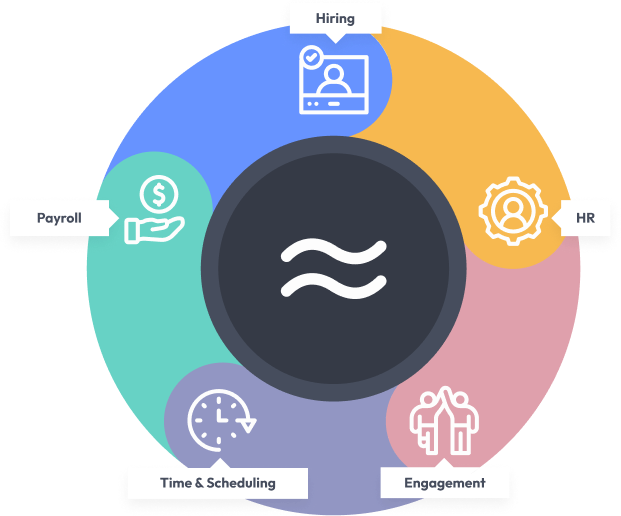

Hiring
Hire better quality workers, faster

HR
Streamline people processes and ensure employee records are always accurate

Engagement
Reduce turnover and increase worker engagement

Time & Scheduling
Manage schedules and hours worked to optimize your labor costs

Payroll
Pay your team quickly, easily, and accurately
resources
Become a hiring and onboarding expert.

Be smart with your hourly workforce
