



How to Hire Marketing Interns: Step-by-Step Guide for Finding and Recruiting Top Talent
Discover the best strategies to hire marketing interns, from creating job descriptions to onboarding top talent for your restaurant’s marketing success.

How to Hire Marketing Interns: A Practical Guide for Small Businesses
Let’s be honest—finding the right marketing intern can feel a bit like searching for a needle in a haystack. You want someone eager, creative, and reliable, but you also need a fit for your brand and team. If you ask me, a good marketing intern can make a world of difference, especially for small businesses and franchises where every hand counts. So, how do you hire marketing interns who’ll actually help your business grow—and maybe even bring a little fun to the office?
Why Marketing Interns Matter (and Why It’s Hard to Find the Right Ones)
Marketing interns aren’t just coffee runners anymore. These days, they’re often the ones brainstorming your next viral TikTok or helping you schedule emails that actually get opened. But with so many students and recent grads looking for experience, how do you find marketing interns who will stick around and contribute?
- Digital recruiting strategies can help you reach a wider talent pool.
- According to industry research, turnover—even at the intern level—can cost your business more than you think.
- Interns want meaningful work, not just busywork—offering growth opportunities is key.
And here’s the kicker: a well-structured internship can even lead to long-term hires, saving you time and money in the future.
Where to Find Marketing Interns Who Actually Want to Work
Tap Into the Right Channels
It’s tempting to just post on LinkedIn and hope for the best, but let’s be real—students and young professionals are everywhere. To recruit marketing interns who fit your needs, consider:
- Posting your marketing intern positions on platforms built for hourly and entry-level roles.
- Exploring free job posting sites that attract a younger demographic.
- Using Instagram and social media to connect with digital-savvy candidates.
- Reaching out to local colleges and universities—sometimes the old-school way works best.
Honestly, you might be surprised at how effective a quick DM or campus flyer can be. And don’t forget to make your job postings stand out—interns are looking for roles that seem interesting and offer real learning.
Screening and Interviewing: Don’t Skip the Human Touch
Sure, resumes are helpful, but they only tell part of the story. When you’re ready to hire marketing interns, look for:
- Enthusiasm for your brand or industry—sometimes passion trumps experience.
- Basic digital skills (think Canva, social media, or email marketing tools).
- Willingness to learn and take feedback.
Try using motivational interviewing techniques to get a sense of their drive and problem-solving skills. And if you want to be sure they’ll fit with your team, ask a few culture fit interview questions too.
Structuring a Marketing Internship That Works for Everyone
Set Clear Expectations (and Don’t Forget the Perks)
Interns crave structure, but they also want to feel valued. Before you recruit marketing interns, make sure you’ve got:
- A clear job description—here’s how to write one that covers your needs and legal requirements.
- Defined goals and projects—interns should know what success looks like.
- Regular check-ins and feedback—keep those lines of communication open.
- Perks like flexible hours, mentorship, or even a small stipend—check out how benefits impact recruitment in the hospitality space for inspiration.
And if you’re worried about compliance or paperwork, platforms like Workstream can help you automate onboarding, collect digital documents, and even manage scheduling—so you can focus on building a great intern experience instead of drowning in admin.
Onboarding: Make It Count
First impressions matter, right? A smooth onboarding process helps interns hit the ground running. Consider using onboarding templates to keep things organized, and don’t forget to introduce them to your team and culture. You might even want to share your employee handbook or a quick-start guide to your brand’s voice and values.
Common Pitfalls (and How to Avoid Them)
Don’t Underestimate the Power of Engagement
Interns who feel ignored or undervalued won’t stick around—or worse, they’ll leave you with a pile of unfinished projects. Keep them engaged by:
- Assigning meaningful work, not just grunt tasks.
- Offering feedback and encouragement—sometimes a simple “nice job” goes a long way.
- Encouraging them to share ideas, even if they’re a little out there. Who knows? That wild TikTok pitch might just go viral.
For more on keeping your team happy, check out what makes employees happy and why turnover is such a big issue in hospitality.
Legal and Compliance: The Not-So-Fun Stuff
Here’s the thing: internships come with a few legal strings attached. Make sure you’re following Department of Labor guidelines on wages and recordkeeping, and check whether your intern should be paid or can be unpaid based on federal and state laws. When in doubt, consult a local HR pro or use a platform like Workstream to help you stay compliant.
And don’t forget—interns are people too. Treat them with respect, and you’ll build a reputation as a great place to work (which, by the way, helps you find marketing interns more easily next time).
Making the Most of Your Marketing Internship Program
So, you’ve managed to hire marketing interns who are smart, motivated, and ready to learn. Now what? Set them up for success by:
- Giving them ownership of a small project—maybe running a social campaign or helping with a product launch.
- Encouraging them to document their work and share results—great for both their resumes and your business.
- Offering a letter of recommendation or even a job offer if things go well. Interns talk, and word of mouth is powerful!
If you want more inspiration, check out how other businesses grow with the right team or improve their hiring process with the right tools.
Conclusion: Your Next Great Marketer Might Be an Intern
Hiring interns isn’t just about filling a seat for the summer—it’s about investing in your business’s future. With the right approach, you can recruit marketing interns who bring energy, fresh ideas, and maybe even a few laughs to your team. And if you’re looking to streamline the whole process, from posting marketing intern positions to onboarding and scheduling, Workstream’s platform is built for hourly and entry-level hiring. Why not make your life a little easier?
Ready to take the next step? Explore more about:
.svg)


All your important HR tasks under one roof
Today’s business owners and HR teams are overwhelmed with administrative tasks: manual processes and exports, duplicative data entry, and siloed information. Workstream centralizes and simplifies people tasks so you can move fast, reduce labor costs, and simplify operations—all in one place.
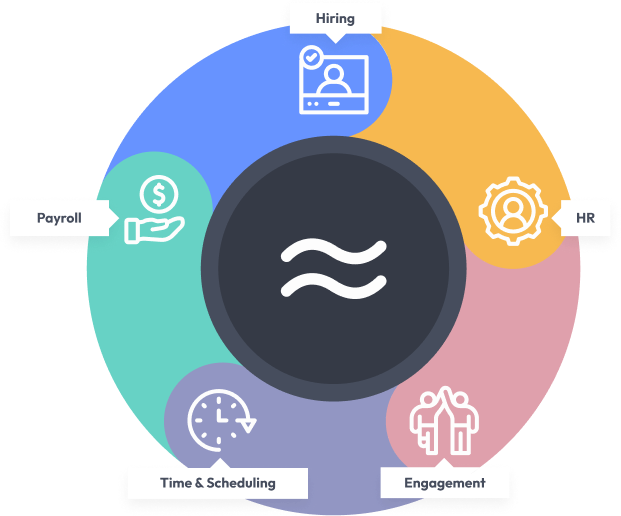

Hiring
Hire better quality workers, faster

HR
Streamline people processes and ensure employee records are always accurate

Engagement
Reduce turnover and increase worker engagement

Time & Scheduling
Manage schedules and hours worked to optimize your labor costs

Payroll
Pay your team quickly, easily, and accurately
resources
Become a hiring and onboarding expert.



Be smart with your hourly workforce
