



How to Hire Personal Drivers: Step-by-Step Guide for Private Driver Recruitment
Discover the best strategies to hire personal drivers, from crafting job posts to conducting interviews, with our step-by-step recruitment guide for restaurants and businesses.

How to Hire Personal Drivers: Your Guide to Chauffeur Staffing and Private Driver Recruitment
Finding the right person to get you or your clients from point A to point B isn’t just about a clean driving record or a pressed uniform. It’s about trust, reliability, and sometimes, knowing the best shortcut when traffic’s a nightmare. If you’re looking to hire personal drivers or recruit private drivers for your business or household, you’re in the right place. Let’s walk through the essentials of personal driver recruitment, from screening to onboarding, and even a few curveballs you might not have thought about.
Why Hire Personal Drivers? (And Why It’s Not Just for Celebrities)
Honestly, the need to hire personal drivers is growing far beyond the world of A-listers and CEOs. Small business owners, busy families, and even medical facilities are seeing the value in having a dedicated driver. But the stakes are high—one bad hire can mean missed appointments, safety issues, or even a PR headache. So, what’s driving this trend?
- Time savings: A good driver lets you reclaim hours lost to traffic or parking headaches.
- Safety and reliability: Professional drivers are trained for defensive driving and customer service.
- Privacy and comfort: Especially important for executives or high-profile clients.
- Business efficiency: Companies with delivery or field service teams can boost productivity and customer satisfaction.
And if you’re thinking about hire car service for your business, you’re not alone. Many are moving away from ride-share apps and toward dedicated staff for better control and consistency.
Building Your Personal Driver Recruitment Strategy
Step 1: Define the Role (and Be Crystal Clear)
Before you even post a job ad, get specific about what you need. Are you looking to recruit private drivers for daily commutes, special events, or long-distance trips? Will they handle errands, vehicle maintenance, or security? A detailed job description is your first filter for quality candidates. Here’s a tip: well-written handbooks and job descriptions save headaches later.
Step 2: Attracting Top Talent
Let’s be real—great drivers have options. To stand out, highlight what makes your opportunity different. Are you offering steady hours, benefits, or a chance to work with a friendly team? According to recent research, benefits and flexibility are huge draws for hourly workers, including drivers. Don’t forget to showcase perks like instant pay access, which you can learn more about in this guide.
- Use clear, engaging job postings—see these examples for inspiration.
- Tap into social media and job boards. Platforms like Indeed and even Instagram can help you reach more candidates.
- Encourage employee referrals—sometimes the best drivers come from within your network.
Step 3: Screening and Interviewing
Here’s the thing: not every applicant with a commercial license is cut out for personal driving. You want someone who’s punctual, discreet, and a problem-solver. Use motivational interviewing techniques and cultural fit questions to dig deeper. And don’t skip background checks—safety first, always.
For a more thorough vetting process, check out pre-employment assessment platforms that can help you evaluate driving skills and situational judgment.
Step 4: Onboarding and Compliance
Once you’ve found your driver, it’s onboarding time. This is where many businesses drop the ball. A smooth onboarding experience—like the ones you can create with these templates—sets the tone for retention and engagement. Make sure you cover:
- Vehicle operation and safety protocols
- Company policies and communication channels
- Legal compliance—see recordkeeping requirements and check your state’s licensing rules
- Benefits and pay structure—clarity here reduces turnover (turnover is expensive!)
Pro tip: Automated onboarding tools like those from Workstream can cut your paperwork time and help you stay compliant, which is especially handy if you’re hiring at scale.
Common Pitfalls and How to Dodge Them
Turnover: The Hidden Cost
High turnover in driver roles can quietly drain your resources. According to industry data, losing a single front-line employee can cost thousands in recruiting, training, and lost productivity. That’s not even counting the stress it puts on your team or your own peace of mind. Want to keep your best drivers? Focus on engagement, recognition, and clear communication—here’s why it matters.
Scheduling Headaches
Ever tried juggling multiple driver schedules on a sticky note or a spreadsheet? It’s a recipe for mix-ups. Modern scheduling templates and digital tools can save you hours every week—and help you avoid costly overtime or understaffing.
Compliance and Documentation
Don’t get caught off guard by missing paperwork or expired licenses. Automated HR and payroll solutions—like Workstream’s platform—help you track credentials, keep records up to date, and stay on the right side of the law. For more on compliance, see part-time hours and benefits rules.
Making the Most of Your Chauffeur Staffing Investment
So, you’ve hired your driver. Now what? Retaining top talent is about more than just a paycheck. Offer ongoing training (maybe defensive driving or customer service refreshers), regular feedback, and opportunities for growth. If you ask me, a little appreciation goes a long way—check out these ideas for celebrating milestones.
And if you’re scaling up, consider the power of automation. With Workstream’s hiring automation, you can cut your time-to-hire, reduce turnover, and keep your team running smoothly—without breaking the bank.
Conclusion: Your Roadmap to Successful Personal Driver Recruitment
Whether you’re looking to hire chauffeurs for a luxury fleet or recruit private drivers for a family or small business, the secret sauce is a thoughtful, people-first approach. Get clear on your needs, use the right tools, and never underestimate the value of a good onboarding process. Remember, a great driver isn’t just someone behind the wheel—they’re an extension of your brand, your family, or your team.
For more tips and real-world stories, check out these resources:
- 10 Must-Know Statistics to Inform Your HR Strategy
- 5 Traits of Committed Employees
- 4 Tips for Calling Out Benefits in Your Job Descriptions
- 8 Creative Tips to Make Your Job Posting Stand Out
- 11 Best Free Job Posting Sites
Ready to get started? Explore Workstream’s personal driver hiring platform and see how easy it can be to build your dream team—one safe, reliable ride at a time.
.svg)


All your important HR tasks under one roof
Today’s business owners and HR teams are overwhelmed with administrative tasks: manual processes and exports, duplicative data entry, and siloed information. Workstream centralizes and simplifies people tasks so you can move fast, reduce labor costs, and simplify operations—all in one place.
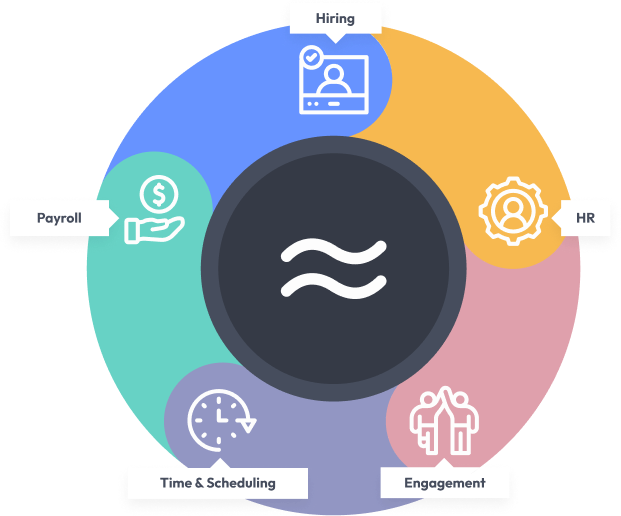

Hiring
Hire better quality workers, faster

HR
Streamline people processes and ensure employee records are always accurate

Engagement
Reduce turnover and increase worker engagement

Time & Scheduling
Manage schedules and hours worked to optimize your labor costs

Payroll
Pay your team quickly, easily, and accurately
resources
Become a hiring and onboarding expert.

Be smart with your hourly workforce
