



How to Hire Domestic Helpers: Streamline Recruitment and Onboarding for Your Household Staff
Discover how Workstream’s all-in-one platform streamlines the way you hire domestic helpers, making domestic helper recruitment and onboarding faster, easier, and fully compliant.

How to Hire Domestic Helpers: A Practical Guide for Small Businesses and Households
Finding the right person to help run your home or support your business isn’t just about scanning resumes. It’s about trust, reliability, and—let’s be honest—making sure you don’t spend your weekends buried under laundry or paperwork. Whether you’re a restaurant owner juggling shifts or a busy parent needing an extra set of hands, learning how to hire domestic helpers can be a game-changer. But where do you even start?
Why Hiring Domestic Helpers Matters More Than Ever
Let’s face it: time is the one thing none of us can make more of. For small business owners, especially those in the restaurant and franchise space, the right domestic helper recruitment isn’t just about convenience—it’s about keeping your operation running smoothly and your sanity intact. According to recent industry research, offering support roles not only helps with retention but also boosts morale across the board.
And if you ask me, the peace of mind that comes from knowing your home or business is in good hands? That’s priceless.
The Changing Landscape of Household and Business Support
Gone are the days when hiring a helper meant relying on word-of-mouth or a neighbor’s cousin. Now, digital platforms and maid hiring services make it easier—and safer—than ever to find qualified candidates. But with convenience comes responsibility: compliance, fair pay, and clear expectations are more important than ever.
Step-by-Step: How to Recruit Home Helpers Who Truly Fit
1. Define the Role—And Be Honest About Your Needs
Before you even post a job ad, get clear on what you need. Are you looking to hire household assistants for cleaning, childcare, cooking, or a mix of everything? Each task requires a different skill set. For inspiration, check out these tips for writing effective job descriptions—they apply to home helpers as much as restaurant staff.
- List out daily and weekly tasks
- Specify any special requirements (pet care, driving, etc.)
- Decide if you need live-in or part-time help
2. Where to Find Reliable Candidates
Sure, you can ask around, but why not cast a wider net? Platforms like Workstream’s hiring portal let you connect with pre-vetted candidates fast. If you’re hiring for a business, digital recruiting tips from Monster or Mitratech can help you reach a broader pool.
And don’t overlook the power of a well-crafted job post. These job posting examples can help you attract the right candidates, whether you’re recruiting for your home or business.
3. Screening and Interviewing: Trust, But Verify
Let’s be real—inviting someone into your home or business is a big deal. Background checks, reference calls, and a trial period are musts. Use creative interview questions to get a sense of reliability and fit. For businesses, leveraging pre-employment assessments can weed out the wrong fits before you waste time on interviews.
And don’t forget about compliance! The Department of Labor requires accurate recordkeeping for all employees, including domestic helpers. It’s not the most exciting part of the process, but skipping it can cost you.
4. Onboarding and Setting Expectations
Once you’ve found your helper, onboarding is where the magic happens—or fizzles. Set clear expectations, provide training, and make sure everyone’s on the same page about pay, hours, and duties. These onboarding templates can help you get started, even if you’ve never hired before.
For business owners, automating onboarding with tools like Workstream’s hiring automation can save hours and ensure nothing falls through the cracks. And if you’re curious how the pros do it, check out how Dunkin’ franchisees improved their hiring process using digital tools.
Common Pitfalls (and How to Dodge Them)
1. Rushing the Process
Desperation hiring rarely ends well. Take your time to understand what causes turnover and how to avoid it. A rushed hire can lead to headaches, turnover, and even legal trouble.
2. Skipping the Paperwork
It’s tempting to keep things “off the books,” but that’s a recipe for disaster. Not only does it open you up to fines, but it also leaves both you and your helper unprotected. The Department of Labor’s recordkeeping guidelines are a must-read for anyone hiring help.
3. Ignoring Cultural Fit
Skills matter, but so does personality. If your helper doesn’t mesh with your family or team, things can get awkward fast. These cultural fit interview questions can help you spot red flags early.
Why Small Businesses and Households Are Turning to Workstream
Honestly, the old way of hiring just doesn’t cut it anymore. With Workstream’s domestic helper recruitment platform, you can:
- Access a pool of pre-vetted candidates
- Automate scheduling and reminders
- Stay compliant with digital recordkeeping
- Cut time-to-hire in half (really!)
And let’s not forget—Workstream’s platform is mobile-first, so you can manage everything from your phone, whether you’re on the job or at the playground. If you want to see how this works in the real world, check out these secrets to Culver’s growth and how technology is transforming hiring for businesses of all sizes.
Conclusion: Hiring Help Shouldn’t Be Hard—If You Do It Right
At the end of the day, learning how to hire domestic helpers is about more than filling a role—it’s about building trust, saving time, and making life a little less stressful. Whether you’re a franchisee, a restaurant owner, or just someone who could use an extra hand at home, following these steps can help you find the right fit and avoid the common pitfalls.
And if you’re ready to make the process smoother, faster, and more reliable, Workstream’s platform is here to help. Because, honestly, you’ve got better things to do than worry about hiring headaches.
Further Reading and Resources
- Learn more about hiring automation for domestic helpers and hourly workers.
- Explore onboarding templates to set your new hire up for success.
- Discover how Dunkin’ franchisees improved hiring with digital tools.
- Get expert tips on writing standout job postings for household assistants.
- See how Workstream connects you with qualified helpers fast.
.svg)


All your important HR tasks under one roof
Today’s business owners and HR teams are overwhelmed with administrative tasks: manual processes and exports, duplicative data entry, and siloed information. Workstream centralizes and simplifies people tasks so you can move fast, reduce labor costs, and simplify operations—all in one place.
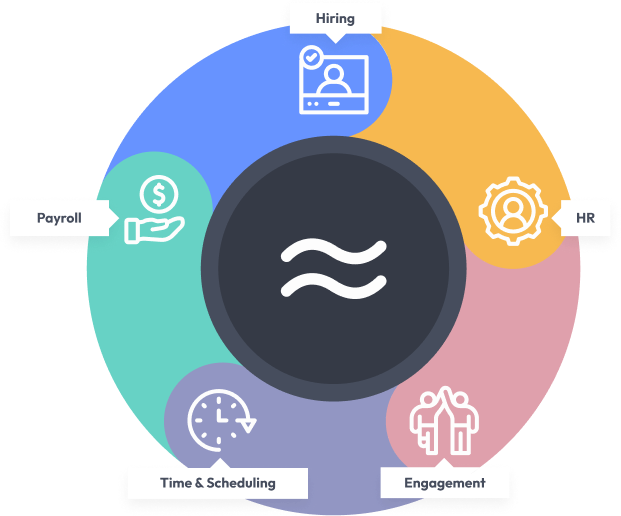

Hiring
Hire better quality workers, faster

HR
Streamline people processes and ensure employee records are always accurate

Engagement
Reduce turnover and increase worker engagement

Time & Scheduling
Manage schedules and hours worked to optimize your labor costs

Payroll
Pay your team quickly, easily, and accurately
resources
Become a hiring and onboarding expert.

Be smart with your hourly workforce
