



How to Hire Technicians: Proven Steps to Find, Recruit, and Retain Top Talent
Learn how to hire technicians efficiently with our step-by-step guide. Discover best practices, tips, and strategies to attract, screen, and onboard top technician talent for your business.

How to Hire Technicians: A Practical Guide for Service Businesses
Let’s be honest—if you run a service business, you’ve probably lost sleep over how to hire technicians who actually stick around, show up on time, and don’t leave you scrambling when the phone rings off the hook. Whether you’re running a bustling HVAC company, a local auto shop, or a multi-location cleaning service, finding and keeping reliable techs isn’t just a “nice to have”—it’s the difference between thriving and barely surviving. So, how do you hire service workers who not only have the right skills but also fit your culture and help your business grow? Let’s break it down.
Why Hiring Technicians Is So Darn Challenging
It’s Not Just About Wages—But That’s a Big Part
Sure, pay matters. But if you ask me, competitive hourly wages are just the starting line. According to industry research, losing a single front-line employee can cost thousands—sometimes more than you’d expect. And with turnover rates soaring in service industries, you need more than just a decent paycheck to keep your team together.
Plus, benefits play a bigger role than ever. The DoorDash Impact of Benefits report shows that perks like flexible scheduling and health coverage are powerful magnets for top talent. If you don’t offer them, your competitors will.
Skills Shortage and the “Perfect Fit” Trap
There’s a real shortage of skilled techs, and everyone’s fishing in the same pond. But here’s the thing: sometimes we get too picky, waiting for that unicorn candidate who checks every box. Hiring for attitude and training for skill can be a game changer, especially when technical skills can be learned on the job.
Step-By-Step: How to Hire Technicians Who Stay
1. Write Job Ads That Actually Attract the Right People
Forget the jargon. Focus on what matters to your ideal candidate. Highlight growth opportunities, training, and—yes—benefits. For inspiration, check out these job posting examples and creative tips to make your ad stand out.
- Be specific about required certifications or licenses (if any).
- Mention your company’s culture and what makes your team unique.
- Call out perks like flexible shifts, overtime pay, or instant pay access—these matter more than you think (instant pay access is a hot trend right now).
2. Source Candidates Where They Actually Are
Posting on the usual job boards is fine, but don’t stop there. Many techs are active on Facebook groups, trade school boards, or even Instagram. If you’re not using social platforms, you’re missing out—learn how with this Instagram hiring guide.
And don’t underestimate referrals. According to Mitratech’s guide, employee referrals often yield better-fit hires and reduce time-to-hire dramatically. You can even incentivize your current staff to refer friends or former colleagues.
3. Screen and Interview Efficiently (and Fairly)
No one likes a drawn-out hiring process. Use hiring automation tools to pre-screen candidates and schedule interviews quickly. For service technician hiring tips, try structured interviews with practical questions—like those in this motivational interviewing guide and these cultural fit interview questions.
Don’t forget to check references and verify certifications. A little due diligence now saves a lot of headaches later.
4. Onboard Like You Mean It
Onboarding isn’t just paperwork. It’s your chance to set expectations, build loyalty, and ensure compliance. A strong onboarding process can reduce turnover and help new hires feel like part of the team from day one. For a smoother start, use these onboarding templates and make sure you’re compliant with Department of Labor recordkeeping requirements.
Where to Find and Recruit Skilled Technicians
Tap Into Trade Schools and Apprenticeship Programs
Many of the best techs come straight from trade schools or apprenticeship programs. Build relationships with local schools and offer internships or job-shadowing opportunities. It’s a win-win: you get fresh talent, and students get real-world experience.
Use Technology to Your Advantage
Modern service technician hiring platforms can help you find service technicians faster and more efficiently. With Workstream’s mobile-first approach, you can automate repetitive tasks, schedule interviews, and even send digital onboarding paperwork—all from your phone. That’s a real time-saver, especially if you’re juggling a million other things.
Don’t Ignore Passive Candidates
Some of the best techs aren’t actively job hunting—they’re already working elsewhere. Reach out directly or use tools that help you source passive candidates. Sometimes, all it takes is a better offer or a friendlier culture to convince them to make a move.
Retention: Keeping Your Best Techs Around
Why Techs Leave—and How to Make Them Stay
High turnover is a killer. According to Modern Restaurant Management, the cost of replacing a single employee can be staggering. Common reasons for leaving include lack of career growth, poor management, and unpredictable schedules (Harver’s research digs into this).
- Offer clear advancement paths—promote from within whenever possible.
- Provide ongoing training and upskilling opportunities.
- Use flexible scheduling tools to accommodate personal needs and reduce burnout.
- Recognize and reward good work—sometimes a simple thank you goes a long way.
If you’re not sure what your team wants, just ask. Regular check-ins and surveys can uncover pain points you might miss. And if you’re curious about what makes employees stay, this 7shifts survey is a goldmine of insights.
Compliance and Legal Considerations
Don’t let compliance trip you up. From wage and hour laws to safety certifications, keeping up with regulations is a must. The Department of Labor has a handy checklist for recordkeeping, and platforms like Workstream can help automate document storage and reminders so nothing falls through the cracks.
Disclaimer: This article provides general information and is not legal advice. For specific compliance questions, consult a qualified professional.
Wrapping Up: The Human Side of Hiring Technicians
At the end of the day, hiring techs isn’t just about filling shifts—it’s about building a team you can trust. With the right mix of technology, empathy, and a dash of good old-fashioned hustle, you can hire technicians who’ll help your business grow for years to come. And if you’re looking for a partner to make the process easier, Workstream’s hiring automation tools are designed with service businesses in mind.
Ready to take your hiring game to the next level? Start with these traits of committed employees, explore service technician hiring solutions, or reach out to Workstream’s team for a personalized walkthrough.
Further Reading on Workstream
.svg)


All your important HR tasks under one roof
Today’s business owners and HR teams are overwhelmed with administrative tasks: manual processes and exports, duplicative data entry, and siloed information. Workstream centralizes and simplifies people tasks so you can move fast, reduce labor costs, and simplify operations—all in one place.
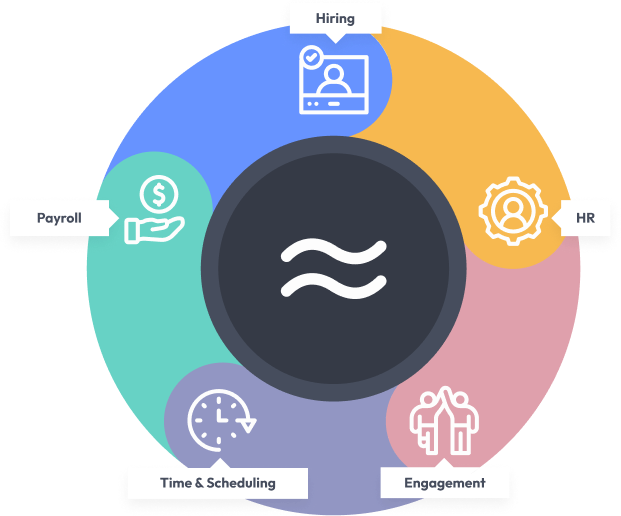

Hiring
Hire better quality workers, faster

HR
Streamline people processes and ensure employee records are always accurate

Engagement
Reduce turnover and increase worker engagement

Time & Scheduling
Manage schedules and hours worked to optimize your labor costs

Payroll
Pay your team quickly, easily, and accurately
resources
Become a hiring and onboarding expert.



Be smart with your hourly workforce
