



How to Hire Pipe Fitters: Proven Steps to Attract, Interview, and Retain Skilled Talent
Discover expert strategies to hire pipe fitters, streamline your recruitment process, and attract skilled professionals to build a reliable team for your restaurant or hospitality business.

How to Hire Pipe Fitters: A Practical Guide for Small Business Owners
If you’ve ever tried to hire pipe fitters for your business—whether you’re running a bustling restaurant, a growing franchise, or a plumbing contractor operation—you know it’s not as simple as posting a job and waiting for the magic to happen. The skilled trades world, especially when it comes to industrial pipe fitters and plumbing technicians, is fiercely competitive. Let’s talk about how to find skilled pipe fitters who stick around, get the job done right, and help your business thrive.
Why Hiring Pipe Fitters Is So Tough
The Skilled Trades Talent Crunch
First, let’s acknowledge the elephant in the room: there’s a real shortage of qualified pipe fitters and plumbing techs. According to staffing industry statistics, demand for skilled trades is outpacing supply. If you ask me, it sometimes feels like finding a unicorn—except the unicorn also needs to know their way around a torch and blueprints.
On top of that, turnover in the trades can be high. Employee turnover isn’t just a restaurant problem; it hits every business that relies on skilled hourly workers. The cost of replacing a good pipe fitter can be eye-watering, and the hidden costs—lost productivity, training, and even customer dissatisfaction—add up fast. Here’s a breakdown of those numbers if you want to see just how much it can sting.
What Makes a Great Pipe Fitter?
Sure, certifications and experience matter, but attitude, reliability, and a knack for problem-solving are just as important. Hiring for attitude and training for skill is a proven approach, especially when you’re building a team for the long haul. And let’s be honest, nobody wants to deal with a grumpy tech who can’t communicate with the rest of the crew or the customer.
Finding and Attracting Skilled Pipe Fitters
Where to Look for Talent
Let’s get practical. If you want to recruit pipe fitting experts, you’ve got to fish where the fish are biting. Here are a few tried-and-true options:
- Post on specialized job boards that cater to tradespeople.
- Tap into local trade schools and apprenticeship programs—fresh talent is often eager and trainable.
- Use platforms like Indeed and even Instagram (yes, really!) to reach younger candidates who live on their phones.
- Don’t overlook referrals from your current team—good people usually know other good people. Referral programs can be a goldmine.
What Makes Your Job Posting Stand Out?
Honestly, job ads for pipe fitters can all start to sound the same after a while. That’s why you need to call out what makes your business different. Highlight competitive pay, benefits, and—if you can swing it—flexible schedules. Benefits matter more than you think, even in the trades.
For inspiration, check out these job posting examples and creative tips to help your ad rise above the noise. And don’t forget to clearly spell out the skills, certifications, and expectations—no one likes surprises on day one.
The Hiring Process: Screening, Interviewing, and Onboarding
Screening for Skill and Fit
Screening isn’t just about checking boxes on a resume. Consider using pre-employment assessments to evaluate technical know-how and soft skills. If you’re short on time (and who isn’t?), platforms like Workstream’s hiring automation can help you filter applicants quickly, saving you hours each week.
When it comes time to interview, don’t just ask about experience—dig into how they handle tough situations, work with others, and adapt on the fly. Here are some motivational interviewing techniques and cultural fit questions that can give you deeper insight.
Onboarding: Set Up for Success
Once you’ve found your ideal hire, don’t let them flounder. A strong onboarding process is crucial. Onboarding isn’t just paperwork—it’s about setting expectations, introducing them to your team, and making sure they know where to find what they need. A well-structured onboarding program can reduce turnover and boost productivity from day one. For a head start, check out these onboarding templates.
Retaining Your Pipe Fitters: The Secret Sauce
Why Do Pipe Fitters Leave?
Let’s be real: pay and benefits matter, but so does feeling respected and having a clear path to grow. Turnover in the trades often boils down to lack of recognition, poor communication, or schedules that make life hard. Work-life balance is a big deal, even for folks who don’t sit at a desk all day.
Offering perks like instant pay access or flexible shifts can set you apart. And don’t underestimate the power of a simple thank you or a clear path to advancement. Engagement strategies that work for restaurants and retail often work just as well in the trades.
Tools That Make Retention Easier
This is where technology can make a real difference. Platforms like Workstream streamline everything from scheduling to payroll, reducing headaches for both managers and staff. Less time on admin means more time building relationships—and that’s what keeps people around. If you’re curious about how automation can help you hire plumbing technicians and keep them happy, learn more about Workstream’s approach.
Compliance, Safety, and Legal Must-Knows
Stay on the Right Side of the Law
Pipe fitting is a regulated trade. Make sure you’re following all relevant licensing, safety, and wage laws. The Department of Labor’s recordkeeping guidelines are a must-read. And don’t forget OSHA requirements for jobsite safety—cutting corners here can cost you big time.
For plumbing contractors, keeping up with compliance can feel like a full-time job. That’s why many businesses turn to platforms that automate compliance tracking and document management, reducing the risk of costly mistakes.
Conclusion: Building a Strong Pipe Fitting Team for the Long Haul
Hiring and retaining great pipe fitters isn’t just about filling a spot on the schedule—it’s about building a team that can grow with your business. From crafting a standout job posting to onboarding and retention, every step matters. And while the labor market is tight, the right approach—and a little help from technology—can give you the edge.
If you want to recruit pipe fitting experts who stick around, focus on what makes your business a great place to work. Offer competitive pay, clear communication, and a path to growth. And don’t be afraid to lean on tools like Workstream to make your life (and your team’s) a whole lot easier. After all, isn’t it time your HR tools worked as hard as you do?
Further Reading from Workstream
- Learn how automation is changing hiring and firing for hourly workers.
- Discover tips for highlighting benefits in your job descriptions to attract the best talent.
- Explore traits of committed employees and how to spot them in your next hire.
- Find out how HR tech can streamline your hiring process and reduce turnover.
- Read about factors impacting turnover rates and how to keep your team engaged.
.svg)


All your important HR tasks under one roof
Today’s business owners and HR teams are overwhelmed with administrative tasks: manual processes and exports, duplicative data entry, and siloed information. Workstream centralizes and simplifies people tasks so you can move fast, reduce labor costs, and simplify operations—all in one place.
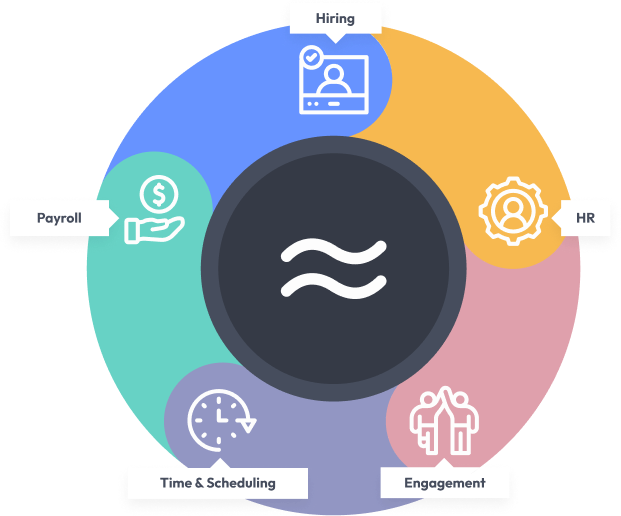

Hiring
Hire better quality workers, faster

HR
Streamline people processes and ensure employee records are always accurate

Engagement
Reduce turnover and increase worker engagement

Time & Scheduling
Manage schedules and hours worked to optimize your labor costs

Payroll
Pay your team quickly, easily, and accurately
resources
Become a hiring and onboarding expert.



Be smart with your hourly workforce
