



How to Hire Choreographers: Streamline Your Dance Studio’s Hiring Process
Streamline how you hire choreographers and dance instructors with Workstream’s mobile-first platform—making it easy to find, recruit, and onboard top choreography experts for your business.

How to Hire Choreographers: A Practical Guide for Small Business Owners
Ever watched a flash mob or a perfectly synchronized restaurant opening and thought, “Who’s the genius behind those moves?” That’s the magic of a skilled choreographer. Whether you’re running a franchise, managing events, or looking to hire dance instructors for your studio, knowing how to hire choreographers can make or break your project. Let me explain how you can find choreography experts who truly fit your needs—and why a smart hiring process matters more than you might think.
Why Hiring Choreographers Is Different (and Why It Matters)
Choreography isn’t just about teaching steps. It’s about storytelling, team chemistry, and sometimes, wrangling a group of people who’d rather be anywhere else than on a dance floor. When you recruit choreographers, you’re not just filling a role; you’re investing in your business’s culture and brand experience.
And honestly, with the staffing industry growing rapidly, competition for top creative talent is fierce. If you want to attract and keep the best, you’ll need more than luck and a handshake.
The Real Cost of Getting It Wrong
If you ask me, hiring the wrong person isn’t just awkward—it’s expensive. According to research on workforce costs, turnover, retraining, and lost productivity can cost thousands per hire. For small businesses, that’s a real gut punch.
And don’t forget compliance headaches. Labor laws around independent contractors versus employees are tricky—especially in creative fields. When in doubt, consult a legal expert or check the Department of Labor’s recordkeeping guidelines. (Disclaimer: This article is not legal advice!)
Where to Find Choreography Experts (and Dance Teachers Who Get Results)
Finding the right talent is part science, part art. Here’s where to start if you want to find dance teachers or choreography pros who’ll wow your audience—and not ghost you after one rehearsal.
Tap Into Specialized Networks
- Industry Job Boards: Use platforms focused on creative and performing arts—don’t just rely on generic listings.
- Social Media: Instagram and TikTok are goldmines for spotting up-and-coming choreographers. For tips on using Instagram for hiring, check out this guide on Instagram job posting.
- Referrals: Ask local dance studios or event planners for recommendations. Word-of-mouth still works wonders.
Screening: More Than Just Moves
A great resume is nice, but you want someone who can connect with your team and adapt on the fly. Consider:
- Auditions: Always have candidates run a short workshop or rehearsal. You’ll see their teaching style and how they handle pressure.
- Cultural Fit: Use targeted interview questions—like those found in this culture fit interview guide—to gauge if they’ll mesh with your crew.
- References: Don’t skip this step! Past clients can tell you if the candidate delivers on time and keeps things professional.
Leverage Technology for Faster, Smarter Hiring
If your head’s spinning from all the resumes and scheduling headaches, consider using a platform like Workstream’s hiring automation tools. These tools can cut your time-to-hire in half, automate interview scheduling, and help you screen candidates efficiently—so you spend less time on admin and more time building your brand.
For more on how technology is changing restaurant and hospitality hiring, see these insights on the cost of employee turnover in hospitality.
The Nitty-Gritty: Contracts, Pay, and Retention
Nailing Down the Details (Without Losing Your Mind)
You’ve found your star—now what? Here’s where many businesses stumble:
- Clear Contracts: Spell out expectations, deliverables, and payment terms in writing. For sample job description tips, check out this resource on job description topics.
- Competitive Pay: Research standard rates in your area. For hourly roles, see how big brands set pay in this hourly wage comparison guide.
- Flexible Scheduling: Choreographers often juggle multiple gigs. Use smart scheduling tools—like those discussed in this 24-hour schedule template guide—to keep everyone happy.
Keep Them Coming Back: Retention Tips That Work
Losing a great choreographer hurts—sometimes more than losing a manager. To keep them engaged:
- Offer Growth Opportunities: Let them lead workshops or mentor junior staff.
- Create a Positive Culture: Recognition goes a long way. For ideas on boosting morale, check out these work anniversary celebration tips.
- Streamline Communication: Use digital tools to keep everyone in sync—see how frontline teams benefit from better communication in this article on employee communication solutions.
Pitfalls to Avoid When You Hire Dance Instructors or Choreographers
The Most Common Mistakes (and How to Dodge Them)
- Poor Onboarding: Don’t just throw them into the deep end! Structured onboarding is proven to boost retention—see these employee onboarding statistics.
- Ineffective Job Posts: Vague job ads attract the wrong crowd. For inspiration, check out these job posting examples for hourly roles.
- Lack of Feedback: Regular check-ins matter. Even seasoned pros need direction sometimes.
- Iffy Compliance: Misclassifying employees as contractors can get you in hot water. Stay updated on labor law changes by following trusted resources like the Fisher Phillips employment law blog.
A Quick Note on Diversity and Inclusion
The best performances come from diverse teams. Make sure your hiring process welcomes candidates from all backgrounds—sometimes the most unexpected hires bring the freshest ideas. For more on inclusive hiring trends, check out this overview of women in HR technology.
The Workstream Advantage: Making Hiring Effortless for Small Businesses
If you’re juggling multiple locations or just tired of paperwork chaos, Workstream’s platform can help you manage everything from recruiting to onboarding and payroll—all in one place. Their mobile-first approach means even busy managers can schedule interviews or approve timesheets from their phone (while waiting for their coffee!). Learn more about their tools for hourly businesses on the Workstream platform page.
And if you’re curious about how other restaurants are winning the talent game with smarter hiring? See how one Dunkin’ franchisee improved both applicant experience and retention using Workstream in this detailed story about Dunkin’s hiring transformation.
The Bottom Line: Hire Choreographers Who Move Your Business Forward
If you want to build a team that moves together—literally and figuratively—you need a thoughtful approach to hiring choreographers. From finding dance teachers who inspire, to using tech that saves time (and sanity), every step counts. Remember: every great performance starts with the right cast behind the scenes.
.svg)


All your important HR tasks under one roof
Today’s business owners and HR teams are overwhelmed with administrative tasks: manual processes and exports, duplicative data entry, and siloed information. Workstream centralizes and simplifies people tasks so you can move fast, reduce labor costs, and simplify operations—all in one place.
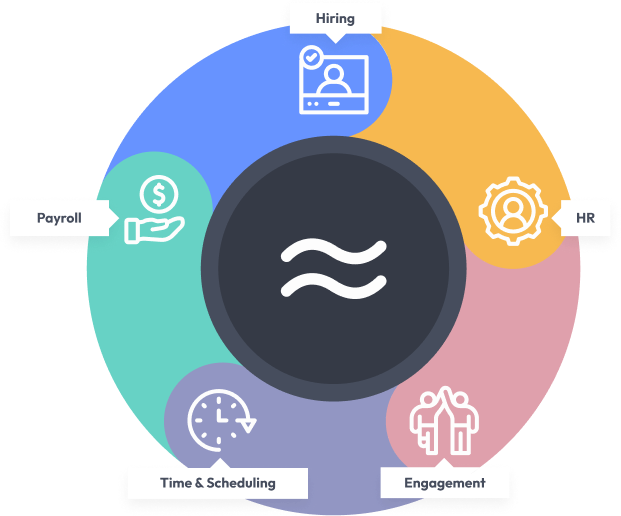

Hiring
Hire better quality workers, faster

HR
Streamline people processes and ensure employee records are always accurate

Engagement
Reduce turnover and increase worker engagement

Time & Scheduling
Manage schedules and hours worked to optimize your labor costs

Payroll
Pay your team quickly, easily, and accurately
resources
Become a hiring and onboarding expert.



Be smart with your hourly workforce
