



How to Hire Sanitation Workers: Step-by-Step Tips for Building a Reliable Cleaning Team
Discover the best practices to hire sanitation workers efficiently. Learn step-by-step tips to attract, interview, and onboard top talent for your restaurant’s cleaning and safety needs.

How to Hire Sanitation Workers: A Practical Guide for Small Businesses
Let’s be honest—finding and keeping great sanitation workers isn’t exactly the stuff of fairy tales. Yet, for restaurants, hotels, and any business that relies on a clean, safe environment, hire sanitation workers is mission-critical. If you’ve ever had to mop up after a busy Friday night or scramble to fill a last-minute cleaning shift, you know the stakes are high. So, how do you build a reliable cleaning crew without losing your mind—or your profit margins? Let’s roll up our sleeves and get into it.
Understanding the Importance of Sanitation Worker Recruitment
First things first: why does sanitation worker recruitment matter so much? Well, aside from the obvious (no one wants a health inspector’s surprise visit to end in disaster), your cleaning staff are the backbone of your operation. Their work keeps customers safe and employees healthy—plus, a sparkling environment just feels good, doesn’t it?
But here’s the kicker: turnover in these roles is notoriously high. According to industry research, the cost of losing and replacing an hourly worker can be thousands of dollars. And if you think that’s just a big-city problem, think again—businesses everywhere are feeling the pinch.
Why Turnover Hurts (and What You Can Do)
- Turnover drains your budget—from overtime pay to lost productivity, it adds up fast.
- Constantly hiring and training new cleaning staff means less time for managers to focus on growth.
- High turnover can tank morale, making it even harder to attract good people.
Want to break the cycle? It starts with smarter hiring automation and a focus on employee experience.
Crafting a Winning Sanitation Staff Hiring Strategy
Now, let’s get practical. What does it take to hire cleaning staff who stick around and actually care about the job? You need a plan that covers everything from job postings to onboarding—and yes, it’s easier than you think if you use the right tools.
Writing Job Descriptions That Attract the Right People
Your job ad is your first handshake. Make it count! Highlight pay, benefits, and growth opportunities. According to DoorDash’s research, benefits are a huge draw for hourly workers—even small perks can tip the scales.
- Be clear about expectations and hours. Vague ads attract the wrong crowd.
- Emphasize safety, stability, and any unique perks—like instant pay access or flexible shifts.
- Showcase your company culture. People want to feel valued, not invisible.
For inspiration, check out these job posting examples tailored for hourly roles.
Where to Find the Best Cleaning Crew Recruits
Honestly, the days of “help wanted” signs in the window are fading fast. Today’s cleaning crew recruitment happens online, through platforms like Workstream and even on social media. Don’t forget to tap into referrals—your current team often knows folks looking for work.
If you’re struggling to fill roles, consider these resources:
- Digital recruiting strategies to expand your reach.
- Proactive candidate sourcing for hard-to-fill shifts.
- Free job posting sites that actually work for hourly jobs.
Onboarding and Retaining Top Sanitation Talent
So you’ve found a few promising candidates—now what? Here’s the thing: onboarding isn’t just paperwork. It’s your chance to set the tone, build loyalty, and reduce early turnover. Studies show that a structured onboarding process can boost retention and productivity.
Fast, Friendly, and Compliant Onboarding
Paperwork shouldn’t take all day. With Workstream’s onboarding tools, you can get new hires up to speed in minutes, not hours. Automated reminders, mobile document uploads, and digital checklists make the process painless for everyone.
- Ensure all legal documents are signed and stored securely—compliance matters!
- Offer clear training on cleaning protocols, safety, and equipment use.
- Introduce new hires to your team and culture right away. A warm welcome goes a long way.
For more onboarding tips, check out these onboarding templates designed for hourly staff.
Keeping Your Cleaning Staff Happy (and On the Job)
Retention is where the magic happens. According to Modern Restaurant Management, losing a single frontline worker can cost you nearly $6,000. Ouch. So, what keeps sanitation workers engaged?
- Competitive pay and fair wages.
- Regular recognition and feedback—don’t wait until review season to say “thanks.”
- Opportunities for growth, even if it’s just learning new skills or taking on extra responsibility.
- Flexible scheduling—life happens, and flexibility is a huge selling point.
For more on keeping your team engaged, see these practical engagement strategies for hourly workers.
Common Pitfalls in Sanitation Staff Hiring (and How to Avoid Them)
Even seasoned managers fall into some classic traps. Here are a few to watch for:
- Rushing the process—desperation hires rarely work out. Take the time to screen and interview properly.
- Ignoring reference checks. A quick call can save you a world of trouble.
- Neglecting training. Even experienced cleaners need to understand your standards and protocols.
- Not tracking hours and pay accurately. Use digital tools to avoid compliance headaches and payroll errors—see this Department of Labor guide for recordkeeping basics.
And if you’re not sure how to structure your cleaning crew, these handbook tips can help clarify roles and responsibilities.
Legal and Compliance Considerations
One last thing—don’t forget about legal requirements. From wage laws to safety protocols, compliance is non-negotiable. If you’re unsure, consult with an HR expert or use platforms like Workstream that help automate compliance tasks. Disclaimer: This article is for informational purposes only and does not constitute legal advice. Always check local and federal regulations.
Conclusion: Build a Strong Cleaning Crew and Watch Your Business Shine
If you ask me, hiring sanitation workers is as much about people as it is about process. With the right approach—clear job ads, smart recruiting, seamless onboarding, and a genuine focus on employee well-being—you can build a cleaning crew that sticks around and takes pride in their work. And when you’re ready to make the leap, platforms like Workstream can make every step easier, from recruitment to payroll.
Remember, the best businesses don’t just hire cleaning staff—they invest in them. And that investment pays off in loyalty, lower turnover, and a sparkling reputation. Who wouldn’t want that?
Further Resources from Workstream
- Explore restaurant hiring strategies for more industry-specific tips.
- Learn how Dunkin’ franchisees improved hiring with automation.
- Check out our guide to calling out benefits in job descriptions.
- Discover how Gap gave employees more control over their schedules with tech.
- Find out the top factors for high turnover rates in hourly roles.
.svg)


All your important HR tasks under one roof
Today’s business owners and HR teams are overwhelmed with administrative tasks: manual processes and exports, duplicative data entry, and siloed information. Workstream centralizes and simplifies people tasks so you can move fast, reduce labor costs, and simplify operations—all in one place.
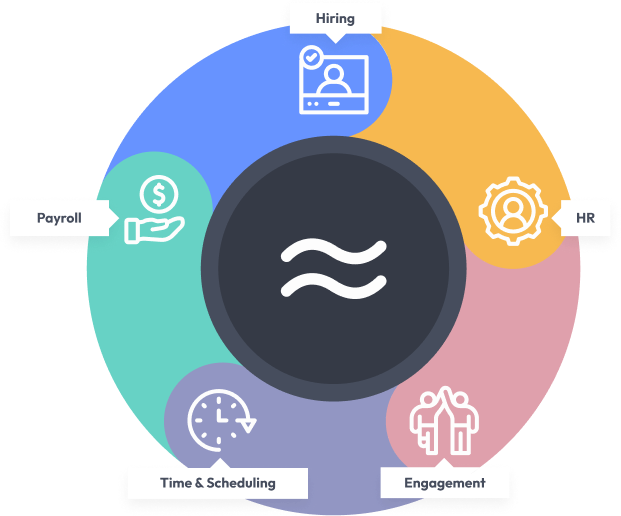

Hiring
Hire better quality workers, faster

HR
Streamline people processes and ensure employee records are always accurate

Engagement
Reduce turnover and increase worker engagement

Time & Scheduling
Manage schedules and hours worked to optimize your labor costs

Payroll
Pay your team quickly, easily, and accurately
resources
Become a hiring and onboarding expert.


Be smart with your hourly workforce
