



How to Hire Merchandising Managers: Practical Steps for Restaurants and Retailers
Discover proven strategies and best practices to hire merchandising managers efficiently, ensuring you attract top talent and build a high-performing retail team.

How to Hire Merchandising Managers: A Practical Guide for Small Business Owners
Ever felt like finding the right merchandising manager is a bit like hunting for a four-leaf clover? You’re not alone. For franchisees, restaurant owners, and retailers, the need to hire merchandising managers who can juggle inventory, trends, and team morale is more pressing than ever. Let’s walk through what it really takes to build a merchandising dream team—without losing your mind or your margins.
Understanding the Role: What Makes a Great Merchandising Manager?
Before you post that job ad, let’s get real about what a merchandising manager actually does. They’re the link between your product and your customer, making sure shelves are stocked, displays are eye-catching, and sales targets aren’t just wishful thinking. Think of them as your in-store quarterback—calling plays, reading the field, and making sure everyone’s moving in sync.
- Oversee inventory and product placement
- Analyze sales data to spot trends
- Lead and train merchandising teams
- Collaborate with suppliers and store managers
- Drive promotions and seasonal campaigns
And here’s the kicker: a strong manager can halve your turnover rate and keep your store humming, even when the labor market’s tighter than a drum.
Why Merchandising Management Recruitment Is Different
Unlike hiring for entry-level roles, merchandising management recruitment demands a blend of analytical chops and people skills. If you ask me, it’s as much about attitude as experience—something echoed in this Harvard Business Review case study on fast-food management. You want someone who can read a spreadsheet and rally a team, sometimes in the same breath.
Finding and Attracting Top Merchandising Talent
Crafting a Standout Job Posting
Your first impression starts with your job ad. Skip the jargon and tell candidates what makes your business unique. Highlight growth opportunities, flexible scheduling, and any benefits—because, believe it or not, benefits matter more than you think when you’re trying to find merchandising managers who’ll stick around.
Don’t forget to call out perks in your job descriptions—it’s one of the easiest ways to stand out in a crowded field. And if you’re not sure where to start, check out these job posting examples for inspiration.
Where to Look for Merchandising Managers
- Online job boards and industry-specific sites
- Referrals from current employees—don’t underestimate word of mouth
- Social media platforms like Instagram for reaching younger, tech-savvy candidates
- Networking at local industry events or trade shows
And here’s a tip: leveraging hiring automation tools can help you screen and schedule interviews faster, so you don’t lose top talent to competitors.
Screening and Interviewing: What to Ask
When it comes to interviews, skip the “Where do you see yourself in five years?” routine. Instead, focus on situational questions that reveal how candidates handle real-world challenges. For example, “Tell me about a time you had to manage a last-minute product recall.” Or, “How do you motivate a team during a slow sales period?”
Need more ideas? Take a look at these motivational interviewing techniques and cultural fit interview questions to get the conversation flowing.
Recruiting Store Managers and Supervisors: Building a Strong Leadership Bench
Let’s not forget: your merchandising manager will likely work hand-in-hand with your store managers and merchandising supervisors. If you’re recruiting for these roles too, consistency is key. Align your hiring process and look for leaders who can collaborate, adapt, and drive results.
Some folks say you can’t teach leadership, but I’d argue you can spot it if you know what to look for. Check out these qualities of a great general manager—they apply just as much to merchandising supervisors as they do to restaurant GMs.
Reducing Turnover and Boosting Retention
High turnover in merchandising management can be a silent profit killer. According to industry research, losing a frontline employee can cost nearly $6,000, and the cost only goes up for managers. To keep your best people, focus on:
- Offering competitive pay (see how you stack up with these wage comparisons)
- Providing clear paths for advancement
- Creating a positive, inclusive culture (job satisfaction is key)
- Recognizing achievements—sometimes a simple thank you goes a long way
And don’t forget, celebrating milestones can boost morale and loyalty, even in high-turnover industries.
Streamlining Merchandising Management Recruitment with Technology
Why Automation Is a Game Changer
If you’re still juggling spreadsheets and sticky notes, it’s time to rethink your approach. Modern platforms like Workstream let you automate everything from job postings to interview scheduling, background checks, and onboarding. This isn’t just about saving time—it’s about reducing errors, staying compliant, and making sure no candidate slips through the cracks.
And here’s something you might not know: Workstream’s mobile-first workflows can cut your time-to-hire by half and reduce turnover by just as much. That’s not just marketing fluff—it’s real savings for your business.
Compliance and Recordkeeping: Don’t Get Caught Off Guard
Let me explain—hiring managers means handling sensitive data and staying on top of wage and hour recordkeeping. Automated HR platforms help you keep everything organized, so you’re not scrambling during an audit or, heaven forbid, a lawsuit. That peace of mind? Priceless.
Conclusion: Your Merchandising Management Recruitment Playbook
So, what’s the secret sauce to hire merchandising managers who’ll help your business thrive? It’s a mix of clear communication, smart technology, and a dash of good old-fashioned empathy. Focus on what makes your business special, use the right tools (seriously, check out Workstream’s platform), and never underestimate the power of a well-timed “thank you.”
Ready to take the next step? Whether you’re looking to automate your hiring process, learn from top franchise success stories, or improve your job postings, there’s a resource for you.
More Insights from Workstream
- Discover onboarding templates for new hires
- Explore free job posting sites for hourly workers
- Get tips on making your job postings stand out
- Read about Culver’s growth strategies
- See how Chick-fil-A’s hiring model can inspire your team
.svg)


All your important HR tasks under one roof
Today’s business owners and HR teams are overwhelmed with administrative tasks: manual processes and exports, duplicative data entry, and siloed information. Workstream centralizes and simplifies people tasks so you can move fast, reduce labor costs, and simplify operations—all in one place.
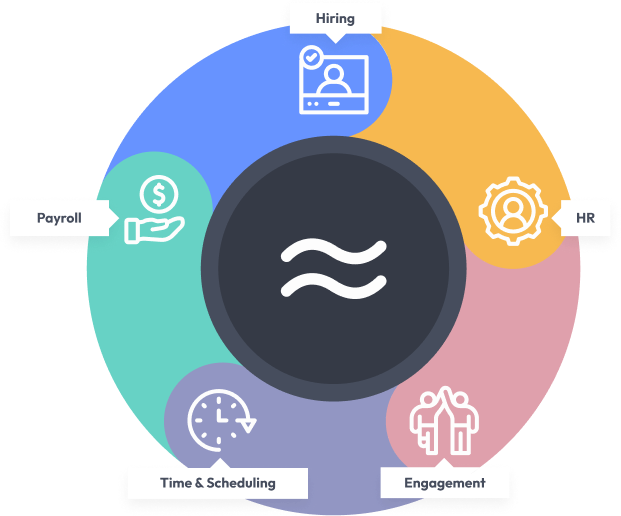

Hiring
Hire better quality workers, faster

HR
Streamline people processes and ensure employee records are always accurate

Engagement
Reduce turnover and increase worker engagement

Time & Scheduling
Manage schedules and hours worked to optimize your labor costs

Payroll
Pay your team quickly, easily, and accurately
resources
Become a hiring and onboarding expert.



Be smart with your hourly workforce
