



How to Hire Catering Managers: Streamline Catering Manager Recruitment for Your Business
Streamline how you hire catering managers with Workstream’s all-in-one platform—making catering manager recruitment, onboarding, and team management faster and easier for your business.

How to Hire Catering Managers: A Modern Guide for Small Business Owners
Let’s be honest—when you’re running a restaurant, hotel, or event space, the person in charge of catering can make or break the experience. To hire catering managers who truly shine, you need more than a stack of résumés and a gut feeling. The process is part science, part art, and—if you ask me—a little bit of luck. But mostly, it’s about knowing what to look for and how to attract the right people.
Why Hiring the Right Catering Manager Matters (More Than You Think)
Catering managers are the unsung heroes who juggle logistics, customer expectations, and last-minute surprises with a smile. They’re part chef, part event planner, part therapist. If you’ve ever had a wedding go off without a hitch or a corporate lunch that felt effortless, thank a great catering manager.
But here’s the thing: high turnover rates in hospitality are legendary. Losing a manager doesn’t just mean posting another job ad—it means lost business, unhappy customers, and a team left in the lurch. In fact, employee turnover can cost restaurants thousands per year. So, catering manager recruitment isn’t just about filling a seat; it’s about protecting your bottom line.
The Hidden Costs of Getting It Wrong
- Turnover can double your hiring costs
- Disrupted team morale and productivity
- Lost institutional knowledge
- Customer dissatisfaction and bad reviews
So, how do you find catering supervisors and leaders who stick around and help your business grow?
The Blueprint: Steps to Hire Catering Managers Who Deliver
1. Define What You Really Need (Not Just What’s on Paper)
Before you even post a job ad, get clear on your must-haves versus nice-to-haves. Do you need someone who can handle high-volume banquets? Or is your operation more about intimate events and personalized service?
- List the core responsibilities (menu planning, vendor management, staff scheduling)
- Identify key soft skills—think communication, adaptability, and leadership (qualities of a good manager)
- Consider certifications or food safety credentials (food handler certificate)
For inspiration on writing killer job descriptions, check out these job posting examples for hourly workers.
2. Cast a Wide (But Smart) Net
If you want to recruit catering management staff who stand out, don’t just post on the usual job boards. Use industry-specific platforms, tap into your professional network, and don’t underestimate the power of referrals. Social media recruiting is booming—Instagram can be surprisingly effective for attracting hospitality talent.
- Digital recruiting strategies for hospitality
- How to proactively find candidates
- Free job posting sites for restaurants and events
Honestly, sometimes the best candidates are already working for you—in another role. Internal promotions can boost morale and retention (improving teamwork in the workplace pays off).
3. Screen for More Than Experience—Screen for Fit
Here’s where things get interesting. Sure, experience matters. But attitude, cultural fit, and problem-solving skills are often better predictors of long-term success. Use structured interviews with scenario-based questions (the STAR method works wonders). And don’t forget to assess for culture fit—here are some interview questions that dig deeper than surface-level answers.
- Pre-employment assessments for hospitality roles
- Effective training techniques for onboarding new managers
- Trends in employee onboarding and retention
4. Move Fast—But Don’t Rush It
The best talent doesn’t wait around. Automated screening tools—like those from Workstream’s hiring automation suite—can cut your time-to-hire in half. That means you snag top candidates before they get scooped up by the competition.
But don’t skip reference checks or trial shifts. A quick call to a previous employer or a day shadowing your kitchen team can reveal red flags you’d otherwise miss.
The X-Factors: What Sets Great Catering Leaders Apart?
If you want to hire catering leaders who transform your business, look beyond the résumé. The best managers are:
- Adaptable: They pivot when plans change—because they always do.
- Empathetic: They listen to both clients and staff, smoothing over friction before it becomes a problem.
- Detail-oriented: They notice the little things that make an event memorable.
- Tech-savvy: They’re comfortable using digital scheduling tools (like schedule templates for complex shift management) and communication apps.
- Calm under pressure: When the oven breaks or the bride’s cake melts, they keep their cool.
You’ll find more insights on what makes hospitality managers excel in this piece on what makes restaurant employees happy.
A Quick Digression: The Impact of Company Culture
I’d be remiss if I didn’t mention company culture. A strong culture attracts better candidates and keeps them longer (building a successful company culture is no accident). If your workplace feels like family—or at least like a team that has each other’s backs—you’ll have an easier time attracting top-tier catering managers.
Avoiding Common Pitfalls in Catering Manager Recruitment
- Ignoring compliance: Always check wage laws and recordkeeping requirements (Department of Labor wage recordkeeping guide). A slip-up here can cost you big time.
- Underestimating onboarding: A rushed onboarding leads to confusion and mistakes. Streamline it with digital tools (onboarding templates make life easier).
- Poor communication: Keep candidates informed at every step—ghosting is just bad manners (and bad for your reputation).
- Lack of growth opportunities: Talented managers want to advance. Show them a path forward (career management insights from WTW).
If you’re curious about how technology can help reduce turnover and improve engagement, this article on how Gap gives employees more control over their schedules is worth a read.
The Workstream Advantage: Automating the Hiring Process (Without Losing the Human Touch)
I know what you’re thinking: “All this sounds great—but who has time?” That’s where platforms like Workstream’s all-in-one HR suite come in handy. By automating repetitive tasks—like screening résumés or scheduling interviews—you free up time to focus on what really matters: building relationships with candidates and making smart hiring decisions.
- Simplified scheduling: Avoid overstaffing or understaffing with automated shift planning (schedule templates save hours each week)
- Mobile-first onboarding: Get new hires up to speed quickly (digital onboarding templates streamline paperwork)
- Compliance built-in: Reduce legal risks by tracking documents and certifications automatically (saves thousands in potential fees!)
- Text-based communication: Keep candidates engaged and reduce interview no-shows by over half (want proof? See Workstream’s stats on hiring efficiency improvements!)
If you’re still using spreadsheets or juggling multiple tools for hiring, onboarding, and scheduling—honestly, it’s time for an upgrade. You might even save enough on tool costs to treat your team to lunch every week.
The Final Word: Hire Catering Managers Who Elevate Your Business (and Your Sanity)
No two businesses are exactly alike—and neither are any two catering managers. But if you follow these steps, stay focused on fit as much as experience, and use technology to take the grunt work off your plate, you’ll be well on your way to building a team that not only delivers great events but makes work feel just a little bit easier.
If you want more actionable tips on building strong teams and running a thriving hourly workforce, check out these resources:
.svg)


All your important HR tasks under one roof
Today’s business owners and HR teams are overwhelmed with administrative tasks: manual processes and exports, duplicative data entry, and siloed information. Workstream centralizes and simplifies people tasks so you can move fast, reduce labor costs, and simplify operations—all in one place.
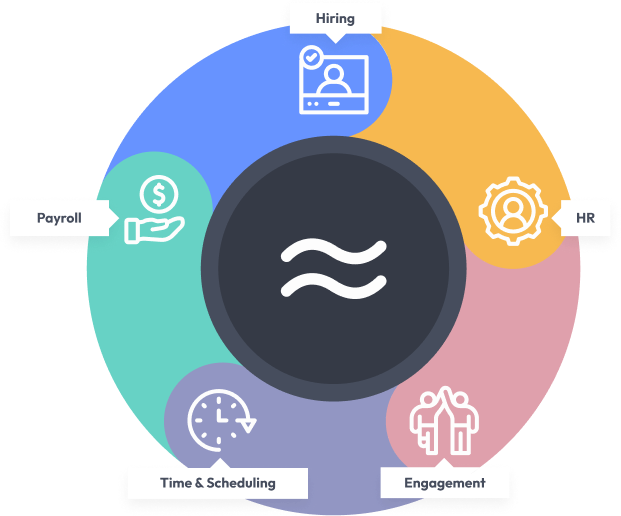

Hiring
Hire better quality workers, faster

HR
Streamline people processes and ensure employee records are always accurate

Engagement
Reduce turnover and increase worker engagement

Time & Scheduling
Manage schedules and hours worked to optimize your labor costs

Payroll
Pay your team quickly, easily, and accurately
resources
Become a hiring and onboarding expert.

Be smart with your hourly workforce
