



How to Hire Industrial Painters: Practical Steps to Find and Retain Skilled Painting Talent
Learn the best strategies to hire industrial painters for your business, from creating effective job postings to selecting top talent and streamlining your hiring process.

How to Hire Industrial Painters: A Practical Guide for Small Business Owners
Let’s be honest—figuring out how to hire industrial painters isn’t exactly the most glamorous part of running a business. But if you’re in manufacturing, construction, or even facility management, it’s a make-or-break decision. The right painting crew can mean the difference between a job well done and a headache that just won’t quit. So, how do you find, recruit, and retain the best industrial painting staff for your team? Grab a cup of coffee and let’s walk through it together.
Understanding the Industrial Painting Landscape
Why Hiring the Right Painters Matters
Industrial painting isn’t like slapping a coat of eggshell on your living room walls. It’s specialized, demanding, and—frankly—pretty tough work. You need folks who understand safety, surface prep, coatings, and, yes, how to work at heights or in tight spaces. If you ask me, high turnover in skilled trades can sink a project fast, so getting this right is crucial.
What Makes a Great Industrial Painter?
- Experience with industrial coatings and tools
- Strong attention to detail (missed spots are costly!)
- Commitment to safety and compliance
- Ability to work as part of a team—no lone wolves here
- Reliability and a solid work ethic
According to industry research, turnover in skilled trades is often linked to poor communication and unclear expectations. That’s why it pays to set the bar high from the start.
Recruiting Industrial Painters: Where to Start
Crafting a Compelling Job Description
Your job post is your first handshake. Make it count. Highlight not just the tasks, but the perks—think benefits, flexible schedules, or growth opportunities. For some inspiration, check out these job posting examples that attract quality hourly workers. And don’t forget to call out benefits—seriously, it matters more than you think. The impact of benefits on recruitment and retention is well documented, even outside the restaurant world.
Where to Find Candidates
- Industry job boards and trade associations
- Referrals from current employees (don’t underestimate word of mouth!)
- Social media platforms—yes, even Facebook groups
- Modern hiring platforms like Workstream, which streamline the process for hourly and skilled roles
And if you’re feeling creative, try these recruitment ad ideas to stand out from the crowd.
Screening and Interviewing: Getting Beyond the Résumé
Resumes are great, but they don’t tell the whole story. Use motivational interviewing techniques to dig into a candidate’s attitude and work ethic. Ask about their experience with safety protocols, teamwork, and handling tough conditions. If you’re unsure what to ask, these cultural fit interview questions can help you find people who’ll mesh with your crew.
Building and Retaining a Strong Industrial Painting Team
Onboarding: Setting Up for Success
First impressions matter—especially in skilled trades. Streamline your onboarding with digital tools so your new hires can hit the ground running. For a smoother process, check out these onboarding templates and tips for getting onboarding right. A well-structured start can cut down on confusion and turnover.
Scheduling and Communication: Keeping Everyone in Sync
Ever tried to wrangle a painting crew without a solid schedule? It’s like herding cats. Use smart scheduling tools—like those offered by Workstream—to handle shifts, overtime, and last-minute changes. Not only does this save headaches, but it also reduces costly no-shows and keeps your team engaged. For more on the impact of schedule control, see how Gap’s employees gained more control over their work lives.
Retention: Why Good Painters Stay (or Leave)
Here’s the thing: retention isn’t just about pay—though that’s important! It’s about respect, clear communication, and opportunities for advancement. According to industry data, high turnover can cost up to 200% of an employee’s annual salary. That’s a number that’ll make any business owner wince.
- Offer training and certifications
- Provide clear paths for promotion
- Recognize hard work—sometimes a simple “thank you” goes a long way
- Keep the lines of communication open
Want more ideas? This Harvard Business Review piece on engaging hourly workers is a goldmine.
Compliance and Payroll: Don’t Get Caught Off Guard
Wages, Records, and Legal Considerations
Let’s not sugarcoat it—compliance can be a minefield. From wage and hour laws to safety regulations, you need to keep your ducks in a row. The U.S. Department of Labor has clear guidelines on recordkeeping for hourly employees. And don’t forget about payroll—mistakes here can cost you big. For a deep dive into payroll for hourly staff, check out this practical approach to restaurant payroll (the principles apply to industrial teams, too).
Honestly, this is where an integrated platform like Workstream shines. It helps automate compliance, reduce manual errors, and keep your team’s data secure—so you can focus on running your business, not chasing paperwork.
Common Pitfalls and How to Avoid Them
What Trips Up Most Employers?
- Vague job descriptions—be specific about duties and expectations
- Poor onboarding—don’t just toss new hires into the deep end
- Ignoring team culture—bad fits can poison morale
- Skipping on benefits—remember, benefits drive retention (see the data)
For more on tackling turnover, this guide to fixing high turnover is worth a read, even if you’re not in the restaurant business.
Conclusion: Building a Painting Team That Lasts
Hiring industrial painters isn’t just about filling seats—it’s about building a team that gets the job done right, sticks around, and helps your business grow. With the right approach to industrial painters recruitment, clear communication, and a little help from smart HR tech like Workstream, you’ll be well on your way to a crew you can count on. And hey, if you ever find yourself scratching your head over a hiring challenge, you’re not alone—sometimes the best solutions come from swapping stories with other business owners over a cup of coffee (or sweet tea, if you’re down South).
Ready for more tips? Explore these related resources:
.svg)


All your important HR tasks under one roof
Today’s business owners and HR teams are overwhelmed with administrative tasks: manual processes and exports, duplicative data entry, and siloed information. Workstream centralizes and simplifies people tasks so you can move fast, reduce labor costs, and simplify operations—all in one place.
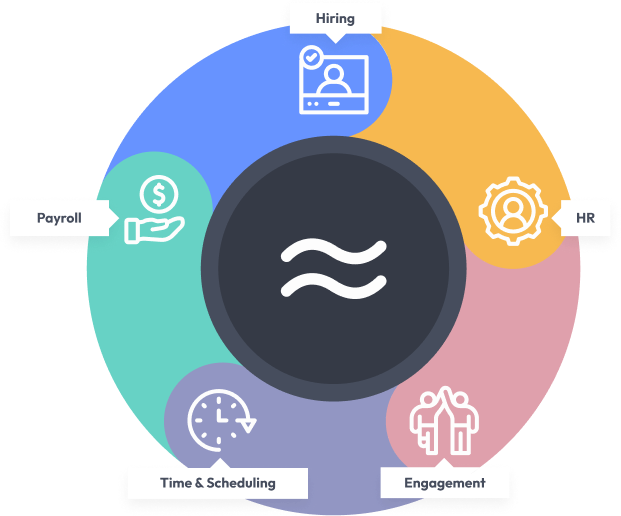

Hiring
Hire better quality workers, faster

HR
Streamline people processes and ensure employee records are always accurate

Engagement
Reduce turnover and increase worker engagement

Time & Scheduling
Manage schedules and hours worked to optimize your labor costs

Payroll
Pay your team quickly, easily, and accurately
resources
Become a hiring and onboarding expert.

Be smart with your hourly workforce
