



How to Hire Food Service Workers: Proven Steps for Building a Reliable Restaurant Team
Learn how to hire food service workers efficiently with our step-by-step guide, including sourcing, screening, interviewing, and onboarding top talent for your restaurant or food service business.

How to Hire Food Service Workers: A Practical Guide for Restaurant Owners
If you run a restaurant, café, or catering business, you already know that finding and keeping great food service workers isn’t just a box to check—it’s the secret sauce to your success. But let’s be honest: hiring food service workers can feel like playing whack-a-mole with resumes, interviews, and no-shows. So, how do you actually hire restaurant staff who stick around, keep customers happy, and help your business thrive? Let me walk you through what works (and what doesn’t), with a few detours into what’s changing in the industry and why the right tools—like Workstream’s platform—can make all the difference.
Getting Started: What Makes Food Service Hiring So Tough?
Restaurants are notorious for high turnover rates—some estimates put it at over 70% a year! That’s a lot of goodbye cakes. According to Michelin Guide, the reasons are as varied as the menu: low wages, unpredictable schedules, and burnout are just the appetizers. If you ask me, it’s not just about finding people; it’s about finding the right people and keeping them engaged.
It’s also worth noting that employee turnover can cost your business thousands—sometimes over $5,800 per lost worker. That’s money better spent on new equipment or menu innovations, right?
The New Hiring Landscape
Today, hiring isn’t just about posting a “Help Wanted” sign in the window. It’s about digital recruiting, leveraging social media, and using platforms that automate the boring stuff so you can focus on what matters: building a great team. And let’s not forget compliance—keeping up with labor laws is a full-time job in itself. If you’re not careful, you could end up with fines or even lawsuits. Nobody wants that headache.
Step-by-Step: How to Hire Restaurant Staff That Lasts
1. Write a Clear, Compelling Job Description
It all starts with a job post that stands out. Be specific about the role—whether you’re looking for a restaurant server, line cook, or dishwasher. Highlight the perks, growth opportunities, and what makes your workplace special. For inspiration, check out these job posting examples and tips for handbooks that set expectations from day one.
2. Source Candidates Where They Are
Don’t just post on the usual job boards. Use platforms like Indeed, tap into Instagram, or even try Craigslist for local talent. If you’re not using tech to automate your hiring, you’re working harder than you need to. Some operators swear by text-based applications—faster, easier, and more likely to get a response from busy candidates.
3. Screen and Interview Efficiently
Time is money, and the faster you move, the less likely you’ll lose top candidates to the competition. Automated screening tools can help you filter out unqualified applicants and schedule interviews without endless back-and-forth. For tips on asking the right questions, check out motivational interviewing and cultural fit questions that get to the heart of what makes a great team member.
4. Onboard Like You Mean It
First impressions matter—a lot. A smooth onboarding process not only helps new hires feel welcome, but also sets them up for success. Digital onboarding platforms, like these onboarding templates, can cut paperwork time from hours to minutes. And honestly, who doesn’t want more time to train on the floor instead of wrestling with forms?
5. Schedule Smartly and Communicate Often
One of the top reasons food service workers quit? Unpredictable schedules. Using a modern scheduling tool can help you avoid last-minute callouts and keep everyone in the loop. For a deeper look at how schedule control boosts retention, see how Gap’s employees gained more control and why it matters for engagement.
Finding and Keeping Quality Kitchen Employees
Recruiting Kitchen Staff: What Works?
Kitchen staff recruitment is a beast of its own. You need people who can handle the heat—literally and figuratively. According to Harver, burnout and lack of advancement are huge issues. So, what can you do?
- Offer clear paths for growth (think: prep cook to sous chef)
- Provide fair, transparent pay—see how top brands pay hourly workers
- Recognize and reward hard work—sometimes a simple “thank you” goes a long way
- Invest in training and upskilling—check out training techniques for ideas
Retention: The Real Game Changer
It’s not just about how you find food service workers; it’s about keeping them. According to Modern Restaurant Management, turnover isn’t just expensive—it can drag down morale and customer service. Want to keep your best people? Offer benefits that matter. This DoorDash report shows how even small perks can make a big difference in recruitment and retention.
Compliance and Legal Details: Don’t Get Burned
Here’s the thing: staying compliant with labor laws isn’t optional. The Department of Labor requires you to keep accurate records on hours, wages, and more. And don’t forget about rules for part-time employees—misclassifying workers can lead to hefty fines. For more on payroll costs and industry benchmarks, this guideline is a must-read.
Disclaimer: This article is for informational purposes only and does not constitute legal advice. Always consult with a qualified professional regarding labor compliance in your state.
Why Technology Is Your Best Friend (Even If You’re Old School)
If you’re still using spreadsheets or paper schedules, it’s time for an upgrade. Platforms like Workstream let you manage hiring, onboarding, scheduling, and payroll all in one place. You’ll save time, cut labor costs, and—maybe best of all—reduce turnover by up to half. That’s not just a sales pitch; it’s the reality for thousands of small business owners who’ve made the switch.
And if you’re worried about the learning curve, don’t be. Mobile-first platforms are designed for busy managers and on-the-go workers. Plus, automating repetitive tasks means you can focus on what you do best: running your business and building relationships with your team and customers.
Conclusion: Hire Food Service Workers the Smart Way
Hiring food service workers doesn’t have to be a headache. With the right approach—clear job descriptions, smart sourcing, efficient screening, and a focus on retention—you can build a team that sticks around and helps your business grow. And if you ask me, using a platform like Workstream isn’t just smart; it’s practically a necessity in today’s fast-paced industry.
For more tips and real-world stories, check out these resources:
.svg)


All your important HR tasks under one roof
Today’s business owners and HR teams are overwhelmed with administrative tasks: manual processes and exports, duplicative data entry, and siloed information. Workstream centralizes and simplifies people tasks so you can move fast, reduce labor costs, and simplify operations—all in one place.
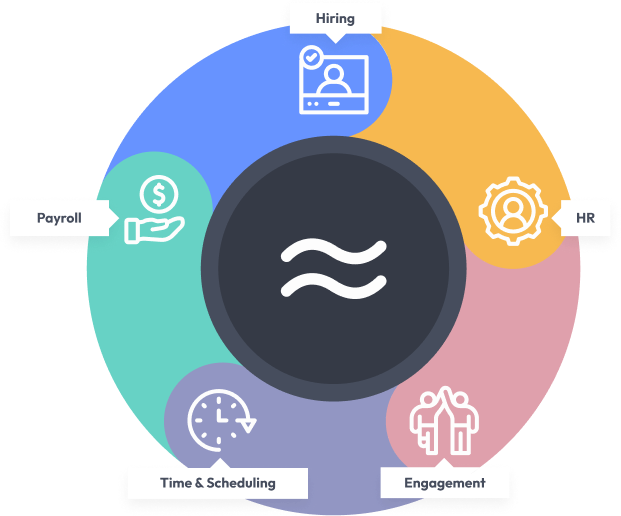

Hiring
Hire better quality workers, faster

HR
Streamline people processes and ensure employee records are always accurate

Engagement
Reduce turnover and increase worker engagement

Time & Scheduling
Manage schedules and hours worked to optimize your labor costs

Payroll
Pay your team quickly, easily, and accurately
resources
Become a hiring and onboarding expert.



Be smart with your hourly workforce
