



How to Hire Health Educators: Step-by-Step Guide for Effective Recruitment
Learn effective strategies to hire health educators for your restaurant, including sourcing, interviewing, and onboarding tips to build a knowledgeable team.

How to Hire Health Educators: A Practical Guide for Modern Employers
Let’s face it—when you’re trying to hire health educators, the process can feel a bit like running a marathon in work boots. You know you need the right people, but between compliance, changing requirements, and a competitive hiring landscape, it’s easy to get overwhelmed. But don’t worry, you’re not alone. Whether you’re a small business owner, a franchisee, or managing a clinic, getting the right health education staffing is critical for both your team and your community.
Understanding the Role: Why Health Educators Matter
First things first: what exactly does a health educator do? They’re the bridge between medical knowledge and everyday people—translating complex health information into actionable steps. Whether they’re working in schools, clinics, or community centers, their impact is huge. If you ask me, their ability to connect with diverse audiences is what sets a great health educator apart from the rest.
But here’s the thing—finding the right fit isn’t just about credentials. It’s about attitude, communication skills, and a genuine passion for helping others. According to research on job satisfaction and turnover, organizational culture and job satisfaction play a major role in retention. So, when you’re looking to find health educators, don’t just scan resumes—think about how candidates will mesh with your team and mission.
Common Pitfalls in Health Educator Recruitment
- Focusing too much on technical skills and not enough on soft skills
- Overlooking cultural fit and communication abilities
- Neglecting the importance of ongoing training and support
Honestly, it’s easy to fall into the trap of “just fill the role,” but that’s a surefire way to end up with high turnover and low morale. Turnover isn’t just a restaurant problem—it’s everywhere, and it’s expensive.
Crafting the Perfect Job Posting: Attracting the Right Candidates
Now, let’s talk about getting your health educator job openings in front of the right people. A job post is more than a checklist of duties—it’s your first handshake with a potential hire. If you want to stand out, highlight what makes your organization unique and why someone would want to join your team.
For inspiration, check out these job posting examples and creative tips to make your job posting stand out. And don’t forget to call out the benefits and growth opportunities, as benefits are a huge driver in recruitment and retention—even outside of restaurants.
Essential Elements of a Great Health Educator Job Posting
- Clear, concise job title and summary
- Specific responsibilities and expectations
- Required qualifications and preferred experience
- Details about your organization’s mission and culture
- Information on benefits, training, and career advancement
And here’s a tip: use platforms that make it easy for hourly or part-time applicants to apply, like Workstream’s hiring automation tools. It’s not just about technology—it’s about meeting candidates where they are, often on their phones or social media.
Streamlining Health Educator Recruitment: Tools and Tactics
Recruitment isn’t what it used to be. These days, digital tools can help you find health educators faster and with less hassle. Automated screening, mobile applications, and text-based communication can cut your time-to-hire in half. That’s not just a sales pitch—it’s a reality for many businesses using platforms like Workstream.
Why does this matter? Because the longer a position stays open, the more strain on your current team—and the greater the risk of burnout. According to Harvard Business Review’s insights on engagement and retention, quick, transparent communication is key to keeping candidates engaged and reducing no-shows.
Modern Recruitment Strategies
- Use digital recruiting strategies to expand your reach
- Leverage social media platforms like Instagram for job postings
- Automate interview scheduling and reminders to save time
- Offer instant pay or flexible scheduling to attract top talent (instant pay access is a big draw!)
Let me explain—when you automate repetitive admin tasks, you free up time to focus on what matters: building relationships and providing support. And if you’re still using spreadsheets or email chains to manage applicants, it’s probably time for an upgrade.
Compliance, Onboarding, and Retention: The Full Picture
Hiring is just the beginning. Once you’ve found the right person, you need to get them up to speed—fast. Digital onboarding tools, like those from Workstream, can shrink onboarding time from hours to minutes. That’s not just convenient; it’s a lifesaver during busy seasons or when you’re short-staffed.
Don’t forget compliance, either. Keeping accurate records is a must—just ask the U.S. Department of Labor. Automated systems reduce manual data entry and help you avoid costly mistakes (and fines—nobody wants those).
But here’s a twist: retention starts on day one. According to Modern Restaurant Management’s breakdown of turnover costs, losing an employee is expensive—sometimes up to 200% of their annual salary. Investing in training, clear communication, and a supportive culture pays off in the long run.
Retention Strategies That Work
- Provide ongoing training and professional development (effective training techniques matter!)
- Offer flexible scheduling and work-life balance (work-life balance boosts engagement)
- Recognize and reward your team’s hard work
- Foster open communication and feedback
And if you’re curious about how other industries tackle these challenges, take a look at what’s causing turnover in hospitality or how to fix high turnover rates. The lessons are surprisingly universal.
Conclusion: Building a Strong Health Education Team for the Future
So, what’s the secret sauce to health educator hiring? It’s a mix of smart technology, clear communication, and a genuine commitment to your team’s growth. Don’t be afraid to rethink your process—sometimes, the smallest tweaks make the biggest difference.
Platforms like Workstream are changing the game for health education staffing—bringing automation, compliance, and engagement tools together in one place. That means less paperwork, fewer headaches, and more time to focus on what really matters: helping your community thrive.
Ready to take the next step? Explore more about automated hiring solutions, discover onboarding templates to streamline your process, or check out tips for highlighting benefits in job descriptions. And if you’re still feeling stuck, don’t hesitate to reach out to Workstream for support—you don’t have to go it alone.
Related reading from Workstream:
.svg)


All your important HR tasks under one roof
Today’s business owners and HR teams are overwhelmed with administrative tasks: manual processes and exports, duplicative data entry, and siloed information. Workstream centralizes and simplifies people tasks so you can move fast, reduce labor costs, and simplify operations—all in one place.
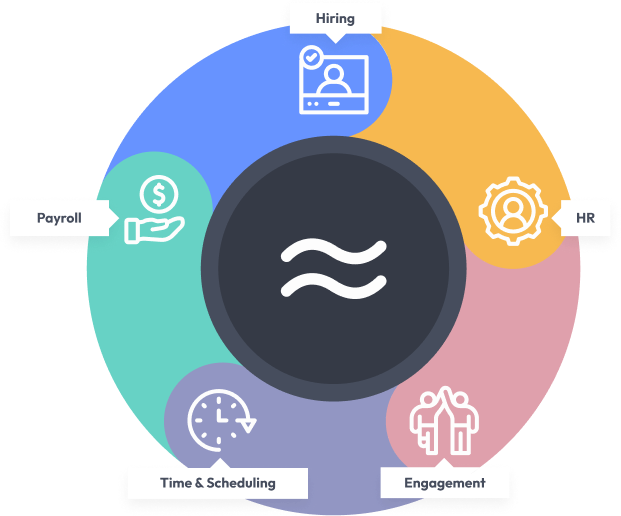

Hiring
Hire better quality workers, faster

HR
Streamline people processes and ensure employee records are always accurate

Engagement
Reduce turnover and increase worker engagement

Time & Scheduling
Manage schedules and hours worked to optimize your labor costs

Payroll
Pay your team quickly, easily, and accurately
resources
Become a hiring and onboarding expert.

Be smart with your hourly workforce
