



How to Hire Factory Managers: Step-by-Step Guide to Find, Recruit, and Retain Top Plant Leaders
Discover expert tips and best practices to hire factory managers efficiently. Streamline your hiring process and find top talent with our comprehensive step-by-step guide.

How to Hire Factory Managers: A Practical Guide for Small Businesses
Let’s be honest—if you run a manufacturing business, learning how to hire factory managers can feel like trying to find a unicorn that knows OSHA, can motivate a team, and never loses track of a shift schedule. Whether you’re a seasoned owner or just stepping into the world of production, getting the right people in these key roles is the difference between smooth operations and, well, chaos. So, how do you actually find and recruit plant managers who will stick around, lead well, and help your business thrive? Let’s break it down, with a few side notes on what really matters in the trenches.
Why Hiring the Right Factory Manager Matters
Before you start posting job ads, it’s worth asking: what makes a factory manager “right” for your business? According to industry research on turnover, leadership roles—especially in manufacturing and food production—are notorious for high churn. Each time a manager leaves, you’re not just losing a person; you’re losing institutional knowledge, team morale, and often thousands of dollars in lost productivity. In fact, turnover can cost your business more than you might expect.
So, what’s the secret sauce? It’s about more than technical skills. You need someone who can handle compliance, motivate a diverse team, and keep things running—sometimes with little more than a clipboard and a strong cup of coffee.
Key Qualities to Look For
- Leadership and Communication: Can they inspire and direct a team? Are they clear and approachable?
- Operational Know-How: Do they understand lean manufacturing, safety protocols, and scheduling?
- Adaptability: Can they roll with the punches—like supply chain hiccups or last-minute callouts?
- Tech Savvy: Are they comfortable with digital scheduling and HR tools?
If you’re curious about what makes a great manager in any setting, this guide on manager qualities is worth a look.
Building a Strong Factory Supervisor Recruitment Process
Let’s get practical. The process to find factory supervisors and recruit plant managers isn’t rocket science, but it does require a structured approach. Here’s the thing: you want to cast a wide net, but you also need to filter quickly—especially when every hour of downtime hits your bottom line.
Crafting the Right Job Description
Start with a clear, honest job description. Highlight not just the required skills, but also the culture and growth opportunities. For tips on writing job descriptions that attract the right candidates, check out this handbook guide and these creative job posting tips.
Where to Find Candidates
- Industry Job Boards: Sites like Indeed and LinkedIn are obvious, but don’t overlook niche manufacturing boards.
- Employee Referrals: Your current team often knows people in the field. Tap into their networks.
- Recruitment Agencies: For hard-to-fill roles, agencies can help you reach passive candidates.
- Social Media: Platforms like Facebook and Instagram can be surprisingly effective for reaching local talent. Here’s a guide to using Instagram for hiring.
Screening and Interviewing
Honestly, this is where most businesses stumble. Rushed interviews or generic questions lead to hires that just don’t fit. Instead, use structured interview techniques. Consider motivational interviewing and cultural fit questions to dig deeper. And if you want to streamline the process, digital tools like Workstream’s hiring automation can save hours per candidate—no more lost resumes or missed emails.
Common Pitfalls in Factory Supervisor Recruitment (And How to Avoid Them)
Even the best plans can go sideways. Maybe you’ve hired someone who looked great on paper but fizzled out after a month. Or perhaps you’ve struggled with high turnover in your supervisor ranks. Here’s what often goes wrong—and how to fix it:
- Ignoring Soft Skills: Technical know-how is critical, but don’t underestimate the importance of communication and empathy. Engagement is a huge factor in retention.
- Slow Hiring Process: In this labor market, the best candidates don’t wait around. Automate scheduling and screening with platforms like Workstream to move fast.
- Poor Onboarding: A rocky start can send new managers running. Use digital onboarding templates to set expectations and get them up to speed quickly.
- Not Offering Competitive Benefits: Benefits play a huge role in attracting and keeping top talent. This DoorDash report on benefits is eye-opening—even for manufacturing roles.
Compliance and Legal Considerations
Don’t forget the paperwork! Accurate recordkeeping is essential. The U.S. Department of Labor outlines what you need to track for each employee—from hours worked to wage details. And if you’re in a highly regulated industry, staying on top of compliance can save you tens of thousands in fines and legal headaches. Workstream’s platform, for example, helps automate compliance and document storage, letting you focus on growing your business instead of chasing paperwork.
Retaining Your Plant Managers: Beyond the Hire
Finding the right person is only half the battle. Keeping them engaged and motivated is where the magic happens. High turnover in leadership roles is a huge drain—both financially and culturally. This analysis of turnover costs makes it painfully clear.
Tips for Retention
- Invest in Training: Ongoing development keeps managers sharp and loyal. Effective training sessions can make all the difference.
- Offer Flexibility: Even in manufacturing, some flexibility in scheduling can boost morale. Work-life balance resources are worth exploring.
- Recognize Achievements: Don’t let good work go unnoticed. Recognition programs, even informal ones, help build loyalty. Workhuman’s insights are a great resource here.
- Use Technology to Connect: Tools that streamline communication and scheduling—like Workstream’s platform—help managers focus on people, not paperwork.
And if you’re curious about how big brands keep turnover low, this Harvard Business Review story is a classic.
Conclusion: Making the Right Hire (and Keeping Them)
Hiring factory managers isn’t just about filling a seat. It’s about finding someone who can lead, adapt, and help your business thrive—through thick and thin. If you ask me, the best hires are the ones who feel like part of the family, not just another name on the schedule. Streamlining your process with digital tools, focusing on both hard and soft skills, and offering real growth opportunities will help you build a team that sticks around for the long haul.
For more practical tips and real-world examples, check out these guides:
.svg)


All your important HR tasks under one roof
Today’s business owners and HR teams are overwhelmed with administrative tasks: manual processes and exports, duplicative data entry, and siloed information. Workstream centralizes and simplifies people tasks so you can move fast, reduce labor costs, and simplify operations—all in one place.
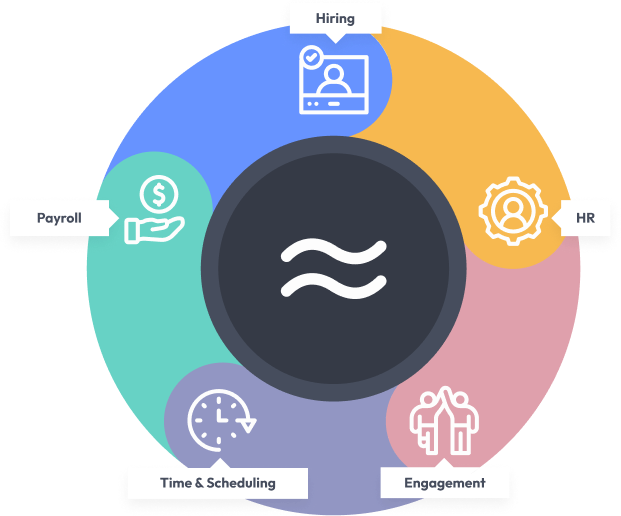

Hiring
Hire better quality workers, faster

HR
Streamline people processes and ensure employee records are always accurate

Engagement
Reduce turnover and increase worker engagement

Time & Scheduling
Manage schedules and hours worked to optimize your labor costs

Payroll
Pay your team quickly, easily, and accurately
resources
Become a hiring and onboarding expert.


Be smart with your hourly workforce
