



How to Hire General Laborers: Step-by-Step Guide for Small Business Success
Discover the best ways to hire general laborers for your small business. Learn essential steps, tips, and tools to streamline your hiring process and build a reliable workforce.

How to Hire General Laborers: A Practical Guide for Small Businesses
If you’ve ever tried to hire general laborers—whether for your restaurant, warehouse, or construction site—you know the process can feel a little like searching for a needle in a haystack. The stakes are high, the clock is ticking, and honestly, the competition for solid workers is fierce. But let’s break it down together, step by step, and talk about what really works when you need to find laborers who’ll show up, work hard, and stick around.
Why Hiring General Laborers Feels So Tough (And How to Make It Easier)
Let’s be real: turnover in hourly jobs is a headache. According to industry research, high employee turnover is a chronic problem, especially in hospitality and food service. The cost of losing a single front-line worker? About $5,864, says notch. That’s enough to make any small business owner wince. So why is it so hard to hire warehouse workers or recruit construction laborers and keep them?
- Burnout and lack of engagement—People want to feel valued, not just like another cog in the wheel.
- Limited growth opportunities—Especially for younger workers, the promise of advancement matters.
- Rigid schedules and poor communication—Flexibility is king, and so is clarity.
But here’s the thing: with the right tools and a bit of know-how, you can flip the script. Platforms like Workstream are designed to make general labor staffing less of a slog and more of a science.
Building Your Labor Pipeline: Where to Find (and Attract) Great Workers
Get Your Job Postings Right
First impressions count. A clear, honest, and appealing job post can make all the difference. Need inspiration? Check out these job posting examples tailored for hourly roles. Be upfront about pay, hours, and expectations—workers appreciate transparency, and it helps weed out folks who aren’t a fit.
Leverage Multiple Channels
Don’t just stick to one job board. Post on multiple sites and use social media—yes, even Instagram can be a goldmine for finding local talent. Plus, referrals from current employees often yield the most reliable hires.
Screen Smart, Not Hard
Automated screening tools can save you hours. With hiring automation from Workstream, you can filter candidates by experience, availability, and even text responses—making it easier to spot the gems without drowning in paperwork.
Recruiting Construction Laborers and Warehouse Workers: What Really Works?
Understand the Unique Needs of Each Role
Warehouse and construction jobs aren’t one-size-fits-all. For warehouse roles, reliability and attention to detail are huge. For construction, physical stamina and safety awareness are non-negotiable. Use well-crafted job descriptions to attract the right people for each position.
Offer Competitive Pay and Benefits
It’s not just about the hourly wage—though you should definitely check out what others are paying to stay competitive. Benefits matter, too. According to DoorDash’s report, offering even basic benefits can boost recruitment and retention.
Streamline Onboarding and Training
No one likes paperwork marathons. Digital onboarding—like the templates from Workstream—gets new hires up to speed fast and ensures you stay compliant with recordkeeping laws. For training, keep it simple and hands-on—see these training tips for ideas.
Retention: Keeping Your Best Laborers on the Team
Communication and Engagement
Regular check-ins, clear expectations, and open lines for feedback go a long way. If you’re wondering how to keep workers engaged, start with honest conversations and recognition for a job well done. Even a simple thank you can move mountains, as experts note.
Flexible Scheduling
Life happens—kids get sick, cars break down. Offering more control over schedules can be a game-changer. Automated scheduling tools help managers avoid overstaffing or last-minute scrambles, and they save about 1.7 hours per employee each week. That’s real money back in your pocket.
Growth Opportunities
Even if you’re running a small shop, show your team there’s room to grow. Whether it’s cross-training or a path to management, people stick around when they see a future. For more on this, check out how some fast-food chains do it right.
Common Pitfalls (And How to Avoid Them)
- Ignoring compliance: Stay up to date with labor laws and keep digital records to avoid fines.
- Unclear job expectations: Vague postings lead to mismatched hires. Use clear handbooks and training materials.
- Slow hiring process: Good candidates don’t wait around. With Workstream’s automation, you can cut your time-to-hire in half and reduce interview no-shows by 55%—seriously.
Why Workstream Makes Sense for General Labor Staffing
Honestly, if you’re tired of juggling spreadsheets, sticky notes, and endless texts, Workstream is worth a look. It’s built for businesses like yours—restaurants, warehouses, you name it. With mobile-first workflows, automated scheduling, and digital onboarding, it’s like having a full HR team in your pocket. And the best part? You can replace seven different tools with just one platform, saving up to $30,000 a year. That’s not pocket change.
For more inspiration, see how Dunkin’ franchisees improved hiring, or check out tips for restaurant hiring that apply to any hourly workforce.
Conclusion: Hiring General Laborers Doesn’t Have to Be a Headache
If you ask me, the secret to successful general labor staffing is a mix of the right tech, a dash of empathy, and a willingness to try new approaches. Focus on clear communication, fast and fair hiring, and a little flexibility—and you’ll find (and keep) the folks who keep your business running. For more hands-on advice, explore these resources:
- Traits of committed employees
- Tips for calling out benefits in job descriptions
- Creative job posting tips
- Key hiring statistics
- Onboarding templates
And if you’re ready to make hiring easier, check out Workstream’s hiring automation platform. Your future team will thank you.
.svg)


All your important HR tasks under one roof
Today’s business owners and HR teams are overwhelmed with administrative tasks: manual processes and exports, duplicative data entry, and siloed information. Workstream centralizes and simplifies people tasks so you can move fast, reduce labor costs, and simplify operations—all in one place.
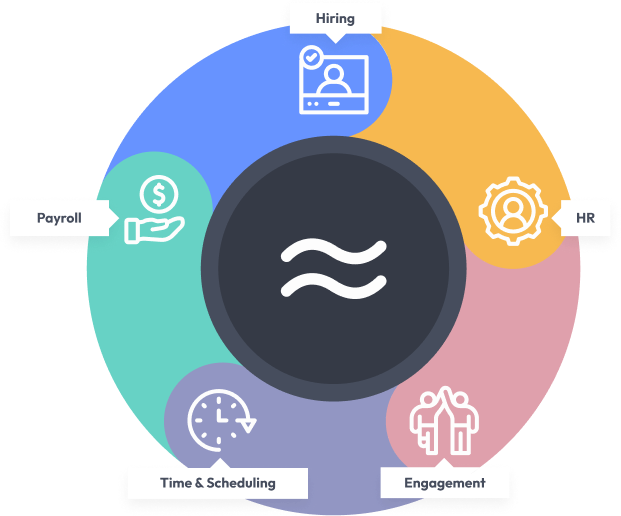

Hiring
Hire better quality workers, faster

HR
Streamline people processes and ensure employee records are always accurate

Engagement
Reduce turnover and increase worker engagement

Time & Scheduling
Manage schedules and hours worked to optimize your labor costs

Payroll
Pay your team quickly, easily, and accurately
resources
Become a hiring and onboarding expert.

Be smart with your hourly workforce
