



How to Hire Bookkeepers: Streamline Your Search and Onboarding Process
Streamline how you hire bookkeepers and recruit financial professionals with Workstream’s mobile-first platform—making it easy to find accounting staff and build your finance team efficiently.

How to Hire Bookkeepers: A Practical Guide for Small Businesses
If you run a restaurant, franchise, or any small business, you probably know the pain of trying to hire bookkeepers who are reliable, detail-oriented, and—let's be honest—won't vanish at tax time. The stakes are high: a good bookkeeper can keep your finances tidy, help you find accounting staff who fit your needs, and even save you thousands on compliance headaches. But where do you start? And what should you watch out for along the way?
Why Hiring the Right Bookkeeper Matters (More Than You Think)
Let me explain: bookkeeping isn't just about crunching numbers. It's about trust, accuracy, and keeping your business running smoothly. A single mistake can mean missed tax deductions or, worse, an audit. If you ask me, that's enough to make anyone sweat.
According to industry research, high turnover in finance roles can cost your business dearly—not just in dollars, but in lost knowledge and disrupted workflows. And with the restaurant industry facing record turnover, finding and keeping great bookkeepers is more important than ever.
Common Pitfalls When You Hire Bookkeepers
- Rushing the process: Desperation leads to bad hires. Take your time and vet thoroughly.
- Ignoring cultural fit: Bookkeepers interact with your whole team. If they don't mesh well, friction follows.
- Neglecting compliance: Inaccurate records can lead to fines. Know your obligations—check the Department of Labor's recordkeeping guidelines.
Where to Find (and How to Recruit) Financial Professionals
Recruiting bookkeepers isn't as simple as posting on Craigslist and hoping for the best. Sure, platforms like Indeed or Craigslist can help you cast a wide net, but quality matters more than quantity.
Modern Sourcing Strategies
- Proactively find candidates using digital tools that let you search by experience, certifications, and even personality traits.
- Use hiring automation platforms like Workstream for smart screening and automated interview scheduling—saving hours each week.
- Tap into your network: ask other business owners who they trust and why.
If you're looking to recruit financial professionals for your finance team, don't overlook specialized job boards or local accounting associations. And remember—sometimes the best hires come from referrals. People love to recommend someone who saved their bacon during tax season!
Screening and Interviewing: What Really Matters?
It's not all about QuickBooks skills (though those help). Look for:
- Attention to detail: Even a misplaced decimal can wreak havoc.
- Integrity: You're trusting them with sensitive information—ask scenario-based questions to gauge their judgment.
- Cultural fit: Will they thrive in your fast-paced kitchen or laid-back office?
If you're not sure what to ask, check out these motivational interviewing techniques or try some cultural fit interview questions. And yes, it's okay to trust your gut—a little bit.
The Legal Side: Compliance Isn't Optional
This is where things get serious. Bookkeepers must help you stay compliant with federal and state laws—think payroll taxes, wage records, and benefits eligibility. Miss a step here and you could be staring down a $25K penalty (not exactly pocket change).
For restaurants and franchises especially, understanding the impact of benefits on recruitment and retention is crucial. Check out this deep dive from DoorDash on the impact of benefits on hiring top talent.
Disclaimer: This article provides general information only and does not constitute legal advice. Always consult a qualified professional for specific compliance requirements in your area.
Recordkeeping Essentials
- Keep accurate employee records as outlined by the Department of Labor.
- Ensure wage and hour compliance—especially for hourly workers. For tips on managing part-time hours and eligibility, see this guide on part-time employee rules.
- Stay up to date with payroll trends; restaurant owners can find more on this at Fourth’s practical approach to restaurant payroll.
Retaining Your Finance Team Members: Beyond the Paycheck
You've managed to hire finance team members who are sharp as tacks—now what? Retention is half the battle. According to a recent report on the real cost of employee turnover, losing a bookkeeper can set you back nearly $6,000 in direct costs alone.
The secret sauce? It's not just about salary—it's about engagement, growth opportunities, and work-life balance. See how leading brands improve retention by focusing on benefits in this report on benefits-driven recruitment strategies.
Tactics That Actually Work
- Offer flexibility: Consider remote or hybrid options if possible—especially since many bookkeepers prefer working from home.
- Create clear career paths: People stay when they see a future. Lay out advancement opportunities early.
- Acknowledge hard work: Recognition goes a long way. Celebrate milestones (even if it’s just with donuts on Fridays).
- Invest in onboarding: A structured onboarding process reduces confusion and increases loyalty. Try these onboarding templates for new hires.
- Use technology wisely: Automate repetitive tasks so your bookkeeper can focus on what matters most—accuracy and insight. Platforms like Workstream integrate hiring, onboarding, scheduling, and payroll in one place.
If you want more ideas on how to keep your team happy (and lower turnover), check out these insights on reducing hospitality turnover, or learn how one fast-food chain keeps rates low by hiring for attitude and training for skill at HBR’s feature on turnover solutions.
The Future of Hiring Bookkeepers: Automation & Human Touch Combined
The landscape is changing fast. With AI-powered tools now able to screen candidates around the clock (seriously—24/7 availability!) and reduce interview no-shows by over half, small businesses are saving both time and money. According to Workstream data, using smart automation can cut your time-to-hire in half—and reduce HR tool costs by up to $30K per year by consolidating systems.
If you're still juggling spreadsheets or using seven different apps to manage HR tasks, maybe it's time to consider an upgrade. Learn more about how a single platform can help you hire bookkeepers faster and smarter.
A Few Final Tips Before You Start Recruiting Bookkeepers
- Write clear job descriptions: Spell out duties, expectations, and required skills up front. For inspiration, browse these job posting examples for hourly workers.
- Highlight benefits: Don’t be shy about perks—healthcare, flexible hours, or instant pay access (see how tech like instant pay apps are changing the game).
- Avoid burnout: Give your finance team members manageable workloads and regular breaks—burnout leads straight to turnover city (Gallup’s research on burnout causes is worth a look).
- Stay curious: Keep learning about new tools and trends in workforce management—your competitors sure are! For example, check out this guide on how technology is transforming restaurant operations with a modern employee handbook approach.
The Bottom Line: Build Your Finance Dream Team (Without Losing Sleep)
If you've made it this far, you know that to successfully hire bookkeepers—and keep them—you need more than luck. It takes planning, patience, the right tech stack, and a little bit of heart. Remember: every strong business is built on solid books.
If you're ready to streamline your hiring process or want more tips from folks who've been there before, explore these resources from Workstream:
- Restaurant hiring: What you need to know
- Creative tips for job postings that stand out
- Five Guys' franchise growth story
- Guide to HRIS certification and trends
- Explore Workstream's all-in-one platform for hiring hourly workers
If you have questions or want to see how hiring automation could work for your business, don’t hesitate to reach out through the Workstream website. Happy hiring—and may your books always balance!
.svg)


All your important HR tasks under one roof
Today’s business owners and HR teams are overwhelmed with administrative tasks: manual processes and exports, duplicative data entry, and siloed information. Workstream centralizes and simplifies people tasks so you can move fast, reduce labor costs, and simplify operations—all in one place.
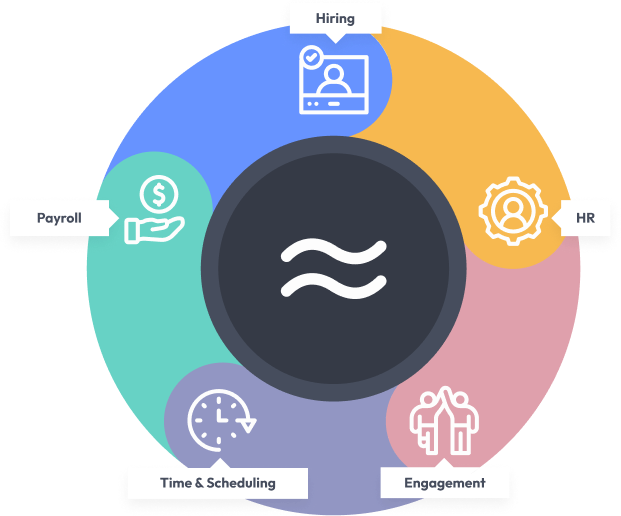

Hiring
Hire better quality workers, faster

HR
Streamline people processes and ensure employee records are always accurate

Engagement
Reduce turnover and increase worker engagement

Time & Scheduling
Manage schedules and hours worked to optimize your labor costs

Payroll
Pay your team quickly, easily, and accurately
resources
Become a hiring and onboarding expert.



Be smart with your hourly workforce
