



How to Hire Electronics Technicians: Step-by-Step Tips for Finding Top Technical Talent
Discover proven strategies to hire electronics technicians efficiently, attract top talent, and build a skilled team for your restaurant’s technical needs.

How to Hire Electronics Technicians: A Practical Guide for Small Business Owners
If you run a business that relies on skilled hands to keep things humming—maybe a restaurant with complex kitchen equipment, or a retail shop with point-of-sale systems—you know how crucial it is to hire electronics technicians you can trust. But, honestly, finding and keeping the right folks is about as easy as fixing a fried circuit board with a butter knife. Let’s break it down, talk shop, and help you build a team that keeps your business running smooth, whether you’re in the heart of Texas or the snowy Midwest.
Why Hiring Electronics Technicians is a Game-Changer
The Real Cost of Getting it Wrong
Ever had a walk-in freezer go down on a Friday night? That’s the stuff of nightmares for restaurant owners. When you hire electronics technicians staff who know their stuff, you’re not just filling a role—you’re protecting your bottom line. According to industry data, turnover in technical roles can cost thousands per employee, not to mention the lost revenue from downtime. And let’s face it, unhappy customers don’t exactly leave glowing Yelp reviews when the soda machine’s on the fritz.
Demand is High, Supply is Tight
With the staffing crunch still hitting hourly businesses hard, you’re not alone if you feel like you’re fishing in a shallow pond. The trick is to make your business the one technicians want to work for. That’s where smart electronics technician talent acquisition comes in—think of it as building your own “dream team” bench, ready to jump in when things go sideways.
Key Steps to Recruit Electronics Technicians (Without Losing Your Mind)
Write a Job Description That Actually Works
Let’s be real: “Must be a team player” isn’t going to cut it. You want to recruit electronics technicians who have the right skills and attitude. Start with a clear, detailed job description. For inspiration, check out these tips for employee handbooks and job posting examples that attract quality candidates. Call out the certifications, experience, and even the quirks of your workplace—maybe you’re a family-run shop, or your crew loves Friday donut runs. Culture matters!
Source Candidates Where They Actually Hang Out
Don’t just post on the big job boards and hope for the best. Many techs are active on platforms like Indeed, but also look at niche boards and even social media. For a fresh approach, you might consider Instagram recruiting or even Facebook groups for local trades. And if you’re really feeling adventurous, try Workstream’s hiring platform—it’s built for hourly roles like electronics technicians and can help you automate a lot of the busywork.
- Leverage referrals from your current team—sometimes the best techs know other great techs.
- Attend local trade schools’ job fairs or partner with apprenticeship programs.
- Highlight benefits and flexibility in your job ad—these are huge for today’s workforce, as shown in this DoorDash report.
Screen and Interview Like a Pro
Screening isn’t just about ticking boxes. You want to know if a candidate can troubleshoot under pressure, communicate with non-techies, and show up when it counts. Consider using pre-employment assessments to test technical know-how and soft skills. When it’s time for interviews, ask scenario-based questions—like, “How would you handle a sudden equipment failure during a rush?” For more ideas, see these motivational interviewing techniques and STAR method tips.
Move Fast—But Don’t Skip the Details
Top talent doesn’t wait around. With hiring automation tools like Workstream, you can cut your time-to-hire in half. Automated interview scheduling, text-based communication, and digital onboarding mean you won’t lose great candidates to competitors who move quicker. But don’t forget compliance—every new hire needs proper documentation. Brush up on recordkeeping requirements to stay out of hot water.
Retention: Keeping Your Electronics Technicians Happy (and On Your Team)
Competitive Pay and Perks Matter
If you think pay isn’t a big deal, think again. According to hourly wage comparisons and fast food pay trends, offering even slightly better wages or instant pay access can tip the scales in your favor. Don’t forget about benefits—healthcare, paid time off, and flexible schedules are all magnets for top talent. For more, see how Starbucks uses benefits to retain staff.
Onboarding and Training: The Secret Sauce
First impressions stick. A clunky onboarding process can turn off even the most eager new hire. Use digital onboarding tools to make paperwork painless, and set up a buddy system or mentorship for the first few weeks. For ideas, check out onboarding templates and onboarding best practices.
Build a Culture That Technicians Want to Stick With
Let’s be honest—nobody likes working somewhere they feel invisible. Recognition, growth opportunities, and a sense of belonging keep people around. According to Harvard Business Review research, engaged hourly workers are far less likely to jump ship. Open communication, regular feedback, and a little fun (yes, even in a technical role) go a long way. For more on boosting engagement, see these practical tips.
Common Pitfalls (And How to Dodge Them)
- Dragging out the hiring process: The best candidates won’t wait. Automate where you can and keep things moving with tools like Workstream.
- Ignoring soft skills: Technical know-how is great, but communication and reliability are just as important. Screen for both!
- Forgetting compliance: Stay up-to-date with legal requirements and make sure your onboarding is airtight. If you’re not sure, ask an expert—better safe than sorry.
- Underestimating the power of a good culture: A positive workplace keeps people around. Don’t believe it? See the data on job satisfaction and turnover.
Conclusion: Make Hiring Electronics Technicians Your Competitive Edge
Hiring the right electronics technicians isn’t just about plugging a gap—it’s about building a team that keeps your business resilient, innovative, and ready for whatever comes next. With smart recruiting, fast and compliant onboarding, and a culture that values people, you’ll not only fill open roles but keep your best techs around for the long haul. If you ask me, that’s worth its weight in gold (or at least in reduced repair bills!).
Want to see how an all-in-one platform can help you hire electronics technicians faster and keep them engaged? Learn more about Workstream’s hiring and HR solutions—they’re built for businesses like yours, and can help you replace seven different tools with one simple system. Now, wouldn’t that be a relief?
Keep Exploring
- Discover restaurant hiring tips for hourly roles
- See how Dunkin’ franchisees improved hiring with automation
- Get inspired by Culver’s growth story
- Read about traits of committed employees
- Contact Workstream for a demo or support
.svg)


All your important HR tasks under one roof
Today’s business owners and HR teams are overwhelmed with administrative tasks: manual processes and exports, duplicative data entry, and siloed information. Workstream centralizes and simplifies people tasks so you can move fast, reduce labor costs, and simplify operations—all in one place.
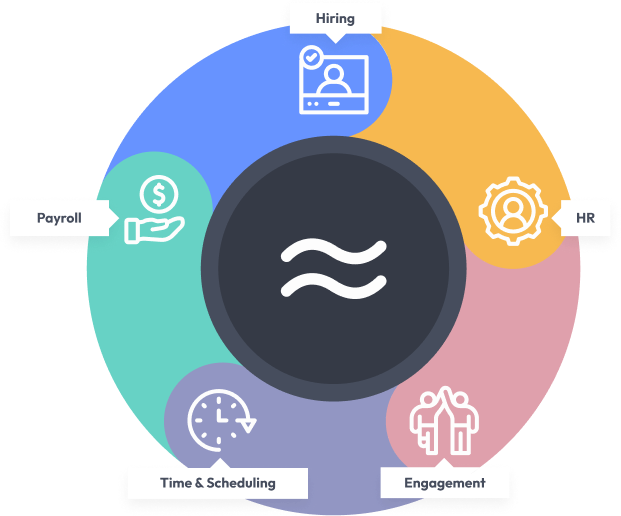

Hiring
Hire better quality workers, faster

HR
Streamline people processes and ensure employee records are always accurate

Engagement
Reduce turnover and increase worker engagement

Time & Scheduling
Manage schedules and hours worked to optimize your labor costs

Payroll
Pay your team quickly, easily, and accurately
resources
Become a hiring and onboarding expert.



Be smart with your hourly workforce
