



How to Hire Rehab Aides: Step-by-Step Tips to Find, Interview, and Retain Top Talent
Learn how to hire rehab aides effectively with our step-by-step guide. Discover best practices, interview tips, and key qualifications for finding top talent for your rehab facility.

How to Hire Rehab Aides: A Practical Guide for Small Businesses
Let’s be honest—finding the right people to support your therapy team can feel like searching for a needle in a haystack. If you’re looking to hire rehab aides who’ll stick around, work hard, and fit your culture, you’re not alone. Rehab aides, sometimes called therapy aides or assistants, are the backbone of many clinics, nursing homes, and rehab centers. But how do you recruit, select, and keep the best? Grab a cup of coffee, and let’s walk through it together.
Understanding the Role: What Does a Rehab Aide Actually Do?
Before you even start to find rehab assistants, it’s worth pausing to clarify what you need. Rehab aides are often the glue in a therapy department—they help physical, occupational, or speech therapists with non-clinical tasks, keep treatment areas tidy, transport patients, and handle basic administrative work. They’re not licensed to provide direct therapy, but boy, do they keep things running smoothly.
Key Qualities to Look For
- Reliability: You want someone who shows up, every time. No-shows can throw off a whole day’s schedule.
- Empathy and Patience: Rehab can be tough for patients. Aides need to be supportive, not just efficient.
- Physical Stamina: There’s a lot of moving, lifting, and walking involved.
- Teamwork: They’ll be working closely with therapists, nurses, and patients.
For a deeper dive on what makes a committed employee, check out 5 Traits of committed employees.
Recruitment Strategies: Where and How to Find Rehab Assistants
Now, let’s get practical. Where do you actually recruit rehabilitation aides who are a good fit? Here’s the thing: the best candidates might not be browsing the big job boards. Sometimes, they’re already working in your community, ready for a change or a step up.
Crafting the Right Job Posting
- Highlight the benefits and perks—even small ones matter to hourly workers.
- Be clear about duties and expectations. For tips, see writing effective handbooks (the advice applies well beyond restaurants).
- Use language that reflects your workplace culture. Are you warm and friendly, or more buttoned-up?
And don’t forget to make your job posting stand out—a little creativity goes a long way.
Where to Post and Source Candidates
- Local community colleges and vocational schools—many have job boards for students in allied health programs.
- Referral programs—your current staff probably know great people. Learn more about designing referral programs.
- Online job boards—yes, Indeed and Craigslist still work, but don’t overlook free job posting sites tailored to hourly roles.
- Social media—posting on Facebook, Instagram, or even TikTok can help you reach younger candidates. Here’s how Instagram can help you hire hourly workers.
For those who want to streamline and automate the process, platforms like Workstream’s hiring automation can save you days per hire and cut your turnover rate in half. That’s not just marketing fluff—restaurants and clinics using these tools have seen dramatic improvements in time-to-hire and retention.
Screening, Interviewing, and Onboarding: Don’t Skip the Human Touch
Once you’ve got a stack of applications, the real work begins. Sure, you can use automated screening tools (and honestly, why wouldn’t you save yourself three hours a week?), but don’t underestimate the value of a good conversation.
Screening and Interviewing Tips
- Look for clues about reliability and attitude. Sometimes, a short phone screen can reveal more than a polished resume.
- Ask about real-life scenarios—“Tell me about a time you helped someone through a tough day.”
- Use behavioral interview techniques to get specific, not just general, answers.
- Don’t forget to check references, especially for roles involving vulnerable populations.
For more on motivational interviewing or cultural fit questions, you’ll find practical examples to use right away.
Onboarding: Setting Up for Success
If you ask me, onboarding is where most businesses drop the ball. A rushed or confusing first week can send new hires running for the hills. Instead, use onboarding templates and digital workflows to make things smooth and welcoming. With Workstream’s new hire onboarding, you can cut onboarding time from hours to minutes, reduce paperwork headaches, and make compliance a breeze.
Retention and Compliance: Keeping Your Rehab Aides Happy (and Legal!)
Let’s talk about the elephant in the room—turnover. In healthcare, losing a single aide can cost thousands in lost productivity and retraining. According to industry estimates, the real cost of turnover is much higher than most folks realize. And it’s not just about money; high churn disrupts care and morale.
Strategies to Boost Retention
- Offer benefits that matter—even part-time perks can make a big difference.
- Give aides some control over their schedules. Flexibility is key, as shown by how Gap improved engagement.
- Recognize and reward good work. Even a simple thank-you or small bonus can boost morale. For more, see employee recognition strategies.
- Foster a sense of belonging and growth. People want to feel valued and see a future with your business. Belonging at work is a top driver of engagement.
If you’re worried about compliance, don’t skip the basics. Keep accurate records, follow wage and hour laws, and make sure your onboarding covers all necessary training. The Department of Labor has clear guidelines, and modern HR platforms can help you stay on track—no more piles of paperwork or missed deadlines.
Common Pitfalls and How to Dodge Them
Even seasoned managers make mistakes. Here are a few traps to avoid when you hire rehab aides:
- Rushing the process: Filling a spot quickly is tempting, but a bad hire costs more in the long run. For perspective, see the true cost of a bad hire.
- Ignoring culture fit: Skills can be taught, but attitude is harder to change. Organizational culture impacts job satisfaction and turnover.
- Underestimating onboarding: A disorganized welcome can send new hires packing. Use structured onboarding templates to set the right tone.
- Neglecting ongoing support: Regular check-ins and feedback help aides feel valued and catch issues early. For more, see bringing out the best in people.
Conclusion: Building a Strong Rehab Team with the Right Tools
Hiring and keeping great rehab aides isn’t rocket science, but it does take a thoughtful approach. From crafting the right job post to onboarding and retention, every step matters. And while technology can’t replace a warm handshake or a genuine “thank you,” it sure can make the process easier and more reliable.
If you’re ready to save time, reduce turnover, and create a better experience for both managers and aides, consider how Workstream’s platform can support your hiring, onboarding, and payroll needs. After all, your team deserves the best—and so do your patients.
Want to Learn More?
- Explore Workstream’s hiring automation for hourly roles
- Read about onboarding templates that save time
- Discover traits of committed employees to look for
- Check out creative job posting tips for your next hire
- See how schedule flexibility can transform your workplace
.svg)


All your important HR tasks under one roof
Today’s business owners and HR teams are overwhelmed with administrative tasks: manual processes and exports, duplicative data entry, and siloed information. Workstream centralizes and simplifies people tasks so you can move fast, reduce labor costs, and simplify operations—all in one place.
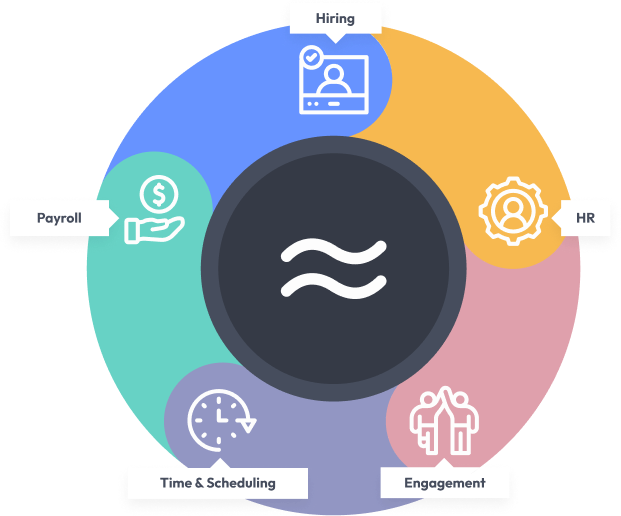

Hiring
Hire better quality workers, faster

HR
Streamline people processes and ensure employee records are always accurate

Engagement
Reduce turnover and increase worker engagement

Time & Scheduling
Manage schedules and hours worked to optimize your labor costs

Payroll
Pay your team quickly, easily, and accurately
resources
Become a hiring and onboarding expert.



Be smart with your hourly workforce
