



How to Hire Maids: Step-by-Step Guide to Find and Recruit Reliable Cleaning Staff
Learn effective strategies to hire maids for your small business, including recruitment tips, interview questions, and onboarding best practices for a reliable cleaning staff.

How to Hire Maids: A Practical Guide for Small Business Owners
If you've ever tried to hire maids or find cleaning staff for your business, you know it can feel a bit like hunting for a needle in a haystack—except the haystack is your to-do list, and the needle keeps moving. Whether you run a boutique hotel, a thriving Airbnb, or a local cleaning service, getting the right people on board is crucial. But how do you recruit housekeepers who are reliable, trustworthy, and a good fit for your team? Let’s walk through the process, with a few digressions, some real talk, and a dash of empathy for anyone who’s ever had to scramble to fill a shift at the last minute.
First Things First: Define What You Need
Getting Clear on Roles and Expectations
Before you post that job ad, take a step back. What exactly are you looking for? Do you need full-time house cleaning staff, or are you looking to hire a domestic helper for a few hours a week? Will they be working solo or as part of a team? Sketching out a clear job description not only helps you attract the right candidates but also sets expectations from day one. Trust me, there’s nothing worse than hiring someone and realizing you never actually told them what “deep cleaning” means in your world.
Legal and Compliance Considerations
Let’s not gloss over the legal bits—because skipping them can cost you big. You’ll want to make sure you’re following recordkeeping requirements and labor laws for hourly workers. If you’re offering benefits, be sure you understand how they impact recruitment and retention; this DoorDash report offers some eye-opening stats on how benefits can help you hire and keep top talent. And if you’re hiring part-time, check out this guide on part-time hours and benefits eligibility.
Finding and Attracting Great Cleaning Staff
Where to Source Candidates
Honestly, you can’t just put up a “Help Wanted” sign and hope for the best. Today’s applicants are on their phones, scrolling through job boards and social media. Platforms like Workstream let you post jobs across multiple sites and even text with candidates—a lifesaver if you ask me. For more tips, check out how to use Indeed for hourly hiring or get creative with job posting strategies.
- Sample job posting templates for cleaning roles
- List of free job boards to expand your reach
- Tips for hiring on Instagram—because yes, people really do find jobs there!
Screening and Interviewing: What Matters Most?
When you’re looking to hire maid service staff, reliability and trustworthiness are non-negotiable. But how do you spot those qualities before someone’s on the job? Structured interviews help, and so do motivational interviewing techniques. Don’t forget to ask about prior experience and check references. If you want to dig deeper, these cultural fit interview questions can help you find someone who’ll mesh with your team.
And here’s a little secret: automating parts of the screening process with platforms like Workstream’s hiring automation can cut your time-to-hire in half. That’s not just marketing fluff—many businesses have seen it in action.
Onboarding and Retaining Your Housekeeping Team
Onboarding: Make a Great First Impression
Ever notice how the first week on a job sets the tone for everything that follows? A smooth onboarding process is key. Digital onboarding tools like these onboarding templates can help you get paperwork, training, and compliance out of the way—fast. For a broader look at onboarding trends, check out these employee onboarding statistics.
Retention: Keeping Your Best People
Turnover in cleaning and hospitality is notoriously high. According to Michelin Guide research, high turnover can drain your bottom line and morale. So how do you keep your house cleaning staff happy?
- Offer competitive pay—see what other companies are paying hourly workers
- Provide flexibility with scheduling—tools like 24-hour schedule templates can help
- Recognize hard work—celebrating milestones matters more than you might think
- Invest in training and growth—great managers know how to build loyalty
Want more data? This breakdown of turnover costs will make you think twice about letting good people walk out the door.
Common Pitfalls and How to Avoid Them
Don’t Rush the Process
It’s tempting to fill a vacancy ASAP, but rushing can lead to mismatches and higher turnover. Take a cue from fast-food chains that focus on attitude and training—sometimes, the right personality beats years of experience.
Stay Compliant, Stay Safe
Don’t forget about certifications and safety training, especially if your staff handles chemicals or works in environments with special requirements. And always keep up with recordkeeping—it’s not glamorous, but it’ll save you headaches down the road.
Leverage Technology—But Keep It Human
Automated scheduling, digital onboarding, and text-based communication are game-changers. But don’t forget the human touch—a quick check-in or thank-you note can go a long way. If you want to see how technology and empathy can work together, Workstream’s platform is built for exactly this balance.
Wrapping Up: Building a Strong, Reliable Cleaning Team
At the end of the day—well, not literally, but you get what I mean—hiring and keeping great cleaning staff is about clarity, consistency, and care. Define your needs, use the right tools, and remember that every hire is a chance to strengthen your business. Whether you’re looking to hire maids, recruit housekeepers, or simply find cleaning staff who’ll show up and do the job right, the right approach makes all the difference.
And if you’re ready to streamline the process, save time, and reduce turnover, consider how Workstream’s hiring automation and onboarding tools can help. Because, honestly, who doesn’t want a little less chaos and a little more confidence in their team?
Want to Learn More?
- Explore restaurant hiring tips for cleaning and hospitality businesses
- See how highlighting benefits in job descriptions can attract better candidates
- Get inspired by success stories from top franchises using smart hiring strategies
- Check out how Workstream supports hourly businesses every step of the way
- Contact Workstream for more info or a demo
.svg)


All your important HR tasks under one roof
Today’s business owners and HR teams are overwhelmed with administrative tasks: manual processes and exports, duplicative data entry, and siloed information. Workstream centralizes and simplifies people tasks so you can move fast, reduce labor costs, and simplify operations—all in one place.
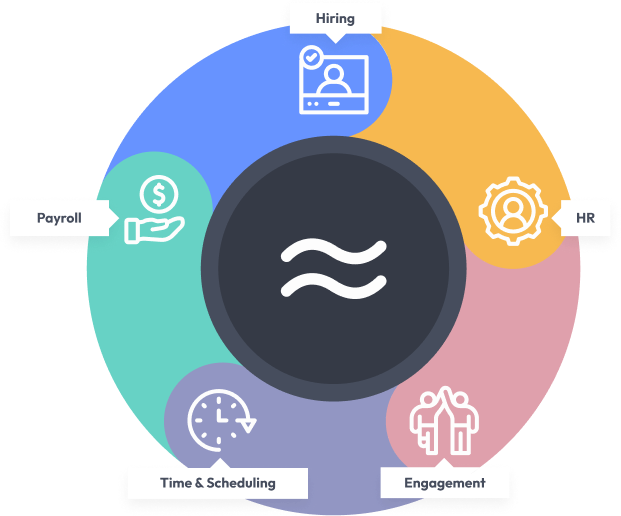

Hiring
Hire better quality workers, faster

HR
Streamline people processes and ensure employee records are always accurate

Engagement
Reduce turnover and increase worker engagement

Time & Scheduling
Manage schedules and hours worked to optimize your labor costs

Payroll
Pay your team quickly, easily, and accurately
resources
Become a hiring and onboarding expert.

Be smart with your hourly workforce
