



How to Hire Personal Shoppers: Proven Steps to Find, Recruit, and Retain Top Talent for Your Store
Discover the best ways to hire personal shoppers for your business with our step-by-step guide, including tips on sourcing, interviewing, and onboarding top talent quickly and efficiently.

How to Hire Personal Shoppers: A Practical Guide for Small Businesses
Ever wondered why some retailers seem to have a magic touch when it comes to customer service? If you ask me, a lot of it comes down to the people they hire—especially when it comes to personal shopping staff. Whether you’re running a bustling boutique or a big-box store, knowing how to hire personal shoppers can be a game-changer for your brand and your bottom line. Let’s get into the nuts and bolts of finding, recruiting, and keeping the best personal shopping assistants out there.
Why Personal Shoppers Matter More Than Ever
Personal shoppers aren’t just for celebrities or high-end clients anymore. In fact, the rise of curated retail experiences has made personal shopping assistants a must-have for stores wanting to stand out. These pros help customers find exactly what they need, boost sales, and turn casual browsers into loyal fans. And honestly, in a world where online shopping is just a click away, that human touch can make all the difference.
The Business Case: Dollars and Sense
Let’s be real—hiring the right people isn’t cheap, but high turnover is even pricier. According to industry research, losing a front-line employee can cost you nearly $6,000. That’s not chump change! Plus, high turnover can drag down morale and service quality. So, investing in the right personal shopping staff upfront pays off in the long run.
What Makes a Great Personal Shopper?
- Exceptional communication skills—think more “neighborly chat” than “hard sell.”
- Product knowledge and a knack for reading people’s needs.
- Patience, empathy, and a dash of hustle.
- Tech-savvy enough to handle scheduling apps and inventory systems.
For more on what makes a standout employee, check out these five traits of committed employees.
Finding and Recruiting Personal Shoppers: Tried-and-True Tactics
Write Job Descriptions That Actually Work
Here’s the thing: your job post is your first impression. Don’t just list duties—highlight growth opportunities, perks, and your company culture. If you need inspiration, these job posting examples can help you attract quality candidates. And don’t forget to call out benefits—it’s a proven way to stand out, especially when benefits are a top reason people join (and stay with) a company.
Where to Find Personal Shopping Assistants
- Leverage free and paid job boards—see this list of top job posting sites.
- Use social media—Instagram and Facebook are goldmines for retail talent. Here’s how to use Instagram for hiring.
- Tap into employee referrals and local community groups.
And if you’re looking for a streamlined way to automate your hiring process, platforms like Workstream can make your life a whole lot easier.
Screening and Interviewing: Don’t Skip the Human Touch
It’s tempting to rush through interviews, but taking time to ask the right questions pays off. Try these cultural fit interview questions to see if candidates will mesh with your team. And if you’re new to interviewing, this STAR method guide is a lifesaver for behavioral interviews.
Want to dig deeper into what makes a great hire? This Harvard Business Review article on hiring for attitude is a must-read.
Onboarding and Managing Your New Personal Shopping Staff
First Impressions Count: Onboarding Done Right
Starting a new job can be nerve-wracking—remember your first day? A smooth onboarding process helps new hires feel welcome and ready to shine. These onboarding templates can help you get organized, while this onboarding guide explains why it’s so important not to cut corners.
Scheduling and Engagement: Keep Your Team Happy
Retail hours can be unpredictable, and burnout is real. Flexible scheduling tools—like those offered by Workstream—can help reduce no-shows and boost morale. For more on why engagement matters, check out this HBR piece on engaging hourly workers and the importance of work-life balance.
And don’t underestimate the power of a good employee handbook—here’s how to write one that actually helps your team.
Compliance and Recordkeeping: Don’t Get Caught Off Guard
It’s not the most exciting part of the job, but keeping accurate records is a must. The Department of Labor has clear guidelines on what you need to track for each employee. Automated HR platforms like Workstream can help you stay compliant and avoid costly mistakes—saving up to $25K a year on lawsuits and fees, if you can believe it.
Retention: Keeping Your Best Personal Shoppers
Why People Leave (and How to Make Them Stay)
Turnover is a pain, but it’s not inevitable. According to this deep dive on turnover causes, lack of growth, poor scheduling, and weak management are the main culprits. Offering clear paths for advancement, flexible schedules, and regular feedback can make all the difference. For more retention strategies, this SHRM guide is packed with actionable tips.
And don’t forget—benefits matter. Starbucks’ approach to benefits is a great example of how perks can drive loyalty, even among part-time staff. If you’re curious about how many hours part-timers can work before qualifying for benefits, this guide breaks it down.
Measuring Success: Metrics That Matter
- Turnover rate—track it monthly and yearly.
- Customer satisfaction scores (think secret shopper reports or post-purchase surveys).
- Upsell/conversion rates for your personal shopping team.
For a deeper look at the real cost of turnover, this analysis is eye-opening.
Conclusion: Set Your Store Up for Success
Hiring and managing personal shopping assistants isn’t just about filling a slot on your schedule. It’s about building a team that reflects your brand, delights your customers, and keeps your business thriving. With the right approach—and a little help from modern tools like Workstream—you can hire personal shoppers who stick around, deliver results, and maybe even make work a little more fun along the way. Ready to get started? Your next great hire could be just around the corner.
Further Reading on Workstream
- Learn how to highlight benefits in job descriptions for personal shopping staff.
- Explore job posting templates that attract top talent.
- Discover onboarding templates for a smooth start.
- See how Workstream helps you hire retail personal shoppers efficiently.
- Find out how Workstream’s platform can streamline hiring and retention for your business.
.svg)


All your important HR tasks under one roof
Today’s business owners and HR teams are overwhelmed with administrative tasks: manual processes and exports, duplicative data entry, and siloed information. Workstream centralizes and simplifies people tasks so you can move fast, reduce labor costs, and simplify operations—all in one place.
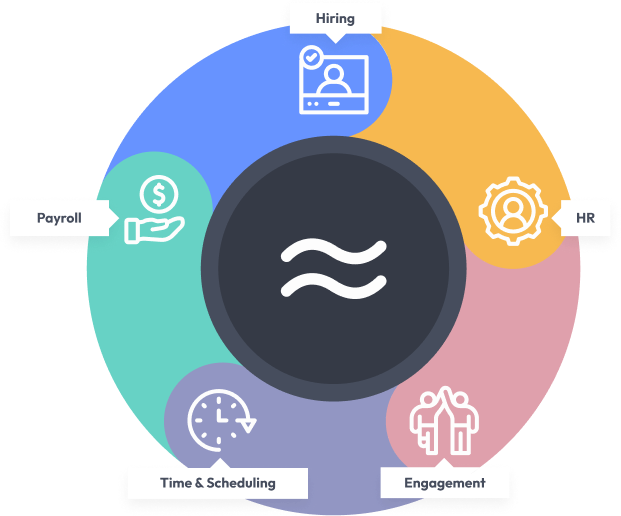

Hiring
Hire better quality workers, faster

HR
Streamline people processes and ensure employee records are always accurate

Engagement
Reduce turnover and increase worker engagement

Time & Scheduling
Manage schedules and hours worked to optimize your labor costs

Payroll
Pay your team quickly, easily, and accurately
resources
Become a hiring and onboarding expert.

Be smart with your hourly workforce
