



How to Hire Sale Assistants: Proven Steps to Attract, Interview, and Onboard Top Talent Fast
Discover the best strategies to hire sale assistants efficiently. Learn key steps, tips, and best practices to build a top-performing sales team for your restaurant.

How to Hire Sale Assistants: A Practical Guide for Small Businesses
Let’s be honest—finding the right people to represent your business on the sales floor can feel like looking for a needle in a haystack, especially when you’re juggling a dozen other things. Whether you’re running a busy franchise, a local boutique, or a chain of quick-service restaurants, learning how to hire sale assistants who stick around and drive results is a game-changer. So, how do you do it well, without losing your mind or your shirt? Let’s break it down, with a few helpful tangents and a dash of real-world wisdom.
Why Hiring the Right Sale Assistants Matters
It’s tempting to think, “Hey, it’s just a sales assistant—anyone can do it.” But if you ask me, that’s a recipe for high employee turnover and missed sales. The cost of losing a front-line employee can be surprisingly steep—some estimates put it at over $5,800 per person. And turnover doesn’t just hit your pocketbook; it can drag down morale, customer service, and even your reputation.
Plus, in retail and hospitality, your sale assistants are the face of your brand. They’re the ones who greet customers, answer questions, and keep the shelves looking sharp. If they’re not engaged, your business suffers. Engaged hourly workers are more likely to stick around, show up on time, and actually care about your customers’ experience.
Turnover: The Hidden Profit Killer
- Turnover costs can eat up to 200% of an employee’s annual salary.
- High turnover means more time spent training, recruiting, and filling gaps—time you could spend growing your business.
- Consistent teams create better customer experiences and stronger sales.
So, if you want to recruit sales associates who’ll help your business thrive, you need a plan that goes beyond “Help Wanted” signs in the window.
Building a Sales Assistant Recruitment Strategy That Works
Here’s the thing: The old ways of hiring—paper applications, endless back-and-forth phone calls—just don’t cut it anymore. Today’s job seekers expect speed, transparency, and a little bit of tech magic. That’s where platforms like Workstream come in, streamlining the process so you can find store employees faster and with less hassle.
Step 1: Write a Standout Job Description
A good job post does more than list duties—it sells your business. Highlight what makes your workplace special, whether it’s flexible scheduling, growth opportunities, or a supportive team culture. For inspiration, check out these job posting examples and creative tips to make your ad pop.
- Be clear about expectations and required skills.
- Mention benefits—healthcare, discounts, or even employee perks can be a big draw.
- Use language that reflects your brand’s personality.
And don’t forget: Calling out benefits in your job description can help you stand out in a crowded market.
Step 2: Source Candidates Where They Are
Gone are the days when you could just post on Craigslist and wait. Today’s job seekers are on their phones, scrolling through Instagram, or browsing Indeed for hourly gigs. Consider using multiple channels, including:
- Free job boards for broad reach
- Social media for targeting younger or tech-savvy candidates
- Employee referrals—sometimes your best new hire knows someone looking
Platforms like Workstream let you post to dozens of sites at once, saving you time and broadening your candidate pool. And if you’re hiring for specific roles—like baristas or waiters—having ready-made templates can be a lifesaver.
Step 3: Screen and Interview Efficiently
Let’s face it, sifting through stacks of resumes is nobody’s idea of a good time. Use automated screening tools to filter out unqualified applicants fast. Consider assessments or quick video interviews to get a feel for personality—sometimes attitude matters more than experience, especially in customer-facing roles. Hiring for attitude and training for skill is a proven formula for low turnover.
And if you’re not sure what to ask, try these motivational interviewing techniques or cultural fit questions to dig a little deeper.
Step 4: Onboard and Train for Success
Here’s where a lot of businesses drop the ball. A rushed or confusing onboarding process can leave new hires feeling lost—and more likely to quit. Streamline your onboarding with digital tools that let employees complete paperwork on their phones, and use onboarding templates to make sure nothing slips through the cracks.
- Provide clear training on products, systems, and customer service expectations.
- Assign a mentor or buddy for the first week.
- Check in regularly—feedback in those early days really matters.
Some companies have cut onboarding time from hours to minutes with the right tech—saving money and reducing early turnover. For more on why onboarding matters, see this guide to onboarding.
Common Pitfalls and How to Avoid Them
If you’re running a small business, you know every hire counts. Here are a few traps to watch out for—and how to sidestep them:
- Rushing the process: It’s tempting to fill a spot fast, but a bad hire costs more in the long run. Take the time to screen for fit and attitude.
- Ignoring compliance: Make sure you’re keeping accurate records and following wage laws. The Department of Labor has a handy checklist for what to track.
- Neglecting engagement: Bored or burned-out employees leave. Offer growth, recognition, and a sense of belonging. Work-life balance and flexibility can make a huge difference.
- Underestimating the power of benefits: Even small perks can help you attract and keep top talent.
Honestly, sometimes it’s the little things—like letting employees swap shifts easily or get paid faster—that keep them happy and loyal. Instant pay access is one trend that’s catching on for a reason.
How Workstream Can Help You Hire Sale Assistants (Without the Headache)
If you’re tired of juggling spreadsheets, missed calls, and lost paperwork, you’re not alone. Platforms like Workstream are built for businesses just like yours—those that need to recruit sales associates quickly and efficiently, without sacrificing quality. With features like:
- Mobile-first applications (so candidates can apply right from their phones)
- Automated screening and interview scheduling
- Digital onboarding and compliance tracking
- Integrated scheduling to reduce no-shows and last-minute callouts
Workstream helps you find store employees who are ready to hit the ground running. And with real-time analytics, you can spot bottlenecks and improve your process over time. Curious how it works? Contact Workstream for a closer look or check out their must-know hiring statistics for more insights.
Conclusion: Make Hiring Sale Assistants Your Competitive Advantage
At the end of the day—wait, scratch that, let’s say “when the dust settles”—the businesses that thrive are the ones that treat hiring as a strategic priority, not just a to-do list item. By investing in smarter processes, better tools, and a little bit of heart, you can build a team of sale assistants who’ll help your business grow, one happy customer at a time. And if you need a hand, Workstream is here to help you every step of the way.
Ready to get started? Explore more about hiring automation with Workstream, or discover how other businesses are transforming their teams with these franchise success stories and leadership tips. Because when it comes to hiring sale assistants, a little extra effort goes a long way.
For more insights, check out these helpful resources:
.svg)


All your important HR tasks under one roof
Today’s business owners and HR teams are overwhelmed with administrative tasks: manual processes and exports, duplicative data entry, and siloed information. Workstream centralizes and simplifies people tasks so you can move fast, reduce labor costs, and simplify operations—all in one place.
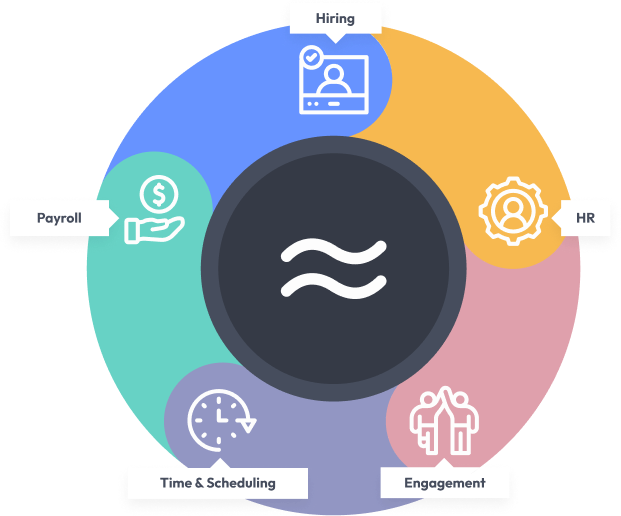

Hiring
Hire better quality workers, faster

HR
Streamline people processes and ensure employee records are always accurate

Engagement
Reduce turnover and increase worker engagement

Time & Scheduling
Manage schedules and hours worked to optimize your labor costs

Payroll
Pay your team quickly, easily, and accurately
resources
Become a hiring and onboarding expert.



Be smart with your hourly workforce
