



How to Hire Transportation Specialists: Step-by-Step Tips for Finding Top Talent
Find out how to hire transportation specialists efficiently, attract top talent, and streamline your recruitment process with our easy, step-by-step guide.

How to Hire Transportation Specialists: A Practical Guide for Small Business Owners
If you’ve ever found yourself knee-deep in schedules, logistics, and compliance paperwork, you know hiring the right transportation specialists isn’t just a “nice to have”—it’s the backbone of keeping your business moving. Whether you run a bustling delivery service, a regional trucking company, or a retail operation that relies on efficient supply chains, the process to hire transportation specialists can feel like trying to solve a Rubik’s Cube blindfolded. But, honestly, it doesn’t have to be that way. Let’s break down what matters, what works, and how you can build a team of transportation experts who keep your wheels—and profits—turning.
Why Hiring Transportation Specialists Matters More Than Ever
With the rise of e-commerce and the ever-shifting demands of consumers, the need for skilled transportation experts has never been higher. If you ask me, it’s not just about filling a seat in a truck or dispatch office—it’s about finding people who can anticipate problems before they hit and keep your business compliant and efficient.
- Turnover in transportation roles can cause ripple effects throughout your supply chain. According to industry research, high turnover in logistics and related fields can cost you big, both in lost productivity and in the time it takes to train new hires.
- Recruiting and retaining the right talent isn’t just about pay—benefits, growth opportunities, and a positive work environment all play a role. The impact of benefits on recruitment and retention is well-documented, especially in industries where competition for talent is fierce.
- Compliance is no joke. The Department of Labor has strict requirements for recordkeeping, and missing the mark can lead to costly fines and headaches.
So, what’s the secret sauce? It’s a mix of smart sourcing, efficient screening, and building a culture that keeps your best people around. And yes, technology plays a bigger role than ever—more on that in a bit.
Step-by-Step: Transportation Specialist Recruitment That Works
1. Define the Role—And Be Specific
Before you post a job, get crystal clear on what you need. Are you looking to hire a truck dispatcher? Or maybe you need to recruit freight and transportation planners who can juggle multiple shipments and keep costs down? A well-crafted job description is your first filter—don’t skip it. For inspiration, check out these tips for writing effective handbooks (yes, even if you’re not a restaurant, the principles apply).
2. Source Candidates Where They Are
Gone are the days when a “Help Wanted” sign in the window did the trick. Today, successful candidate sourcing means meeting transportation specialists where they spend their time—online. Platforms like Workstream offer targeted job postings and automated workflows that save you hours (and headaches). If you’re recruiting for a specialized role, don’t forget to leverage niche job boards and industry associations.
3. Screen for Skills and Culture Fit
Sure, you want someone with a CDL or logistics background, but don’t underestimate the importance of attitude and adaptability. According to Harvard Business Review, hiring for attitude and training for skill can drastically reduce turnover. Consider using pre-employment assessments to objectively measure technical skills and cultural fit.
4. Automate What You Can—But Keep It Human
Let’s be real: nobody wants to spend their days buried in paperwork. Platforms like Workstream’s hiring automation can help you automate interview scheduling, document collection, and even onboarding. This not only saves time but also cuts down on errors and compliance risks. But don’t forget the personal touch—a quick phone call or video chat can go a long way in making candidates feel valued.
5. Offer What Matters: Pay, Benefits, and Flexibility
Transportation specialists know their worth. Competitive pay is a must, but benefits and flexibility can set you apart. The latest research shows that offering paths for advancement, educational opportunities, and even simple perks like flexible scheduling can boost retention. If you’re curious about how benefits packages can help, check out this report on benefits and retention.
Common Pitfalls (And How to Dodge Them)
Rushing the Process
It’s tempting to fill a seat fast when you’re short-staffed, but hiring in a hurry often leads to costly mistakes. According to HuffPost, high turnover costs way more than you think—sometimes up to 200% of an employee’s annual salary. Take the time to vet candidates thoroughly, even if it means covering a few extra shifts yourself for a week or two.
Ignoring Compliance
Transportation is a highly regulated industry, and missing a step can be expensive. Stay up to date with recordkeeping requirements and make sure your onboarding process covers all the legal bases. If you’re not sure where to start, these onboarding templates can help.
Overlooking Employee Engagement
Happy employees stick around. Period. Engaged transportation specialists are less likely to jump ship for a few extra bucks down the road. Want to know what makes employees happy? This survey offers some surprising insights, even if you’re not in the restaurant biz.
Making the Most of Technology: Why Workstream is a Game Changer
Here’s the thing: technology can be your best friend—or your biggest frustration. The right tools streamline your hiring process, reduce manual data entry, and keep your business compliant. Workstream’s mobile-first platform, for example, is designed specifically for businesses with hourly and shift-based workers. It automates everything from job postings to onboarding, and even helps you manage scheduling and payroll. That’s not just a time saver—it’s a competitive advantage.
Plus, with automated reminders and digital workflows, you can reduce interview no-shows by over 50% and cut your time-to-hire in half. That’s not just marketing spin; it’s what real businesses are seeing in the field.
Conclusion: Building a Winning Transportation Team
At the end of the day (okay, I know I’m not supposed to say that, but it’s true), your transportation specialists are the unsung heroes who keep your business moving. Investing in the right recruitment strategies, leveraging technology, and focusing on employee engagement will help you build a team that not only shows up—but sticks around.
If you’re ready to rethink how you hire transportation specialists, consider exploring Workstream’s platform for a more streamlined, cost-effective approach. After all, isn’t it time your hiring process worked as hard as you do?
Further Reading & Resources
- Learn more about streamlining your hiring process for hourly roles.
- Explore onboarding templates to set new hires up for success.
- See how efficient scheduling can save you time and money.
- Get tips for writing job postings that attract top talent.
- Discover the benefits of instant pay access for your team.
.svg)


All your important HR tasks under one roof
Today’s business owners and HR teams are overwhelmed with administrative tasks: manual processes and exports, duplicative data entry, and siloed information. Workstream centralizes and simplifies people tasks so you can move fast, reduce labor costs, and simplify operations—all in one place.
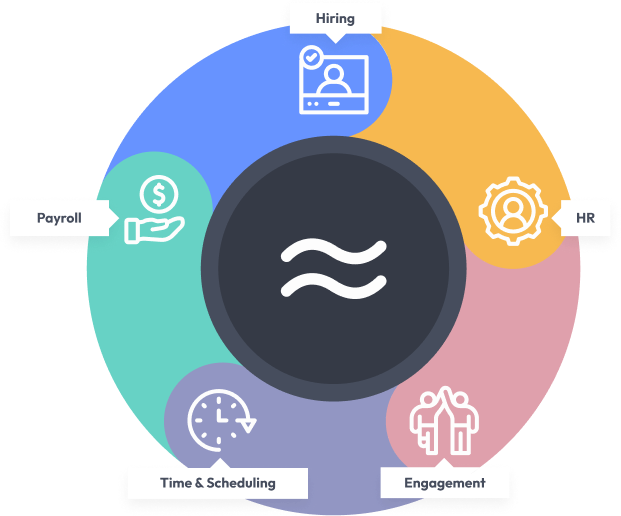

Hiring
Hire better quality workers, faster

HR
Streamline people processes and ensure employee records are always accurate

Engagement
Reduce turnover and increase worker engagement

Time & Scheduling
Manage schedules and hours worked to optimize your labor costs

Payroll
Pay your team quickly, easily, and accurately
resources
Become a hiring and onboarding expert.

Be smart with your hourly workforce
