



How to Hire Bereavement Counselors: Streamline Your Process for Compassionate Support
Streamline how you hire bereavement counselors with Workstream’s mobile-first platform—automate recruiting, onboarding, and compliance to build a compassionate, effective support team.

How to Hire Bereavement Counselors: A Practical Guide for Small Business Owners
If you run a business that serves people during their toughest moments—think funeral homes, care facilities, or even large restaurant groups with employee assistance programs—you know how vital it is to hire bereavement counselors who are both compassionate and skilled. But let’s be honest, finding the right fit for these roles can feel like searching for a needle in a haystack. So, what does it really take to build a team of grief support professionals who can make a difference?
Why Hiring Bereavement Counselors Matters (And Why It’s So Tricky)
Let’s start with the basics: grief counseling is not just about lending a shoulder to cry on. It’s about providing professional support, building trust, and helping people navigate complex emotions. If you ask me, it’s one of the most emotionally demanding jobs out there.
But here’s the thing—when you hire grief counselors, you’re not just filling a job opening. You’re shaping the culture of your business and directly impacting your clients’ well-being. High turnover in these roles isn’t just inconvenient; it can be downright disruptive for clients and staff alike. According to industry research, turnover in emotionally demanding fields can cost you more than just money—it can erode trust and morale.
Challenges Unique to Grief Counselor Hiring
- Emotional Burnout: Grief counselors face high emotional loads, making burnout a real risk. Gallup’s research shows burnout is a key driver of turnover in caring professions.
- Finding Qualified Talent: The pool of licensed, experienced bereavement support staff is limited, especially outside major cities. Sourcing candidates who have both credentials and the right temperament is tough.
- Retention Woes: If your onboarding or benefits aren’t up to snuff, you’ll lose good people fast. DoorDash’s benefits report highlights how even small perks can make or break retention.
The Step-by-Step Process to Recruit Grief Therapists Who Stick Around
1. Write Clear, Empathetic Job Descriptions
Your job post is often the first impression you make. Use language that reflects empathy and understanding—not just clinical requirements. For inspiration, check out these job posting examples and tips on making your job postings stand out. Don’t forget to call out unique benefits or flexibility; it matters more than you think (here’s how to highlight benefits effectively).
2. Source Candidates Where They Already Are
The days of relying solely on job boards are over. Many successful teams now use social media and niche platforms to find candidates via Instagram, or even tap into referral networks. For broader strategies, see this guide on proactively finding candidates.
- Community Outreach: Connect with local mental health organizations or grief support groups.
- Digital Recruiting: Explore digital recruiting strategies with insights from Monster.com’s top digital recruiting tips.
- Referral Bonuses: Consider incentivizing current staff to refer qualified friends or former colleagues.
3. Screen for Both Skills and Heart
This role isn’t just about degrees or certifications—it’s about emotional intelligence and resilience. When you recruit grief therapists, use structured interviews and scenario-based questions to gauge empathy and problem-solving skills. For example, try these motivational interviewing techniques or cultural fit interview questions.
If you want to get fancy, consider pre-employment assessments (see how tools like eSkill work: request a demo here). These can help you objectively evaluate soft skills that are hard to measure on paper.
4. Streamline Onboarding and Compliance (Don’t Skip This!)
You’ve found your person—now don’t drop the ball during onboarding. A clunky process can sour the experience before it even begins. Automate paperwork, provide digital resources, and offer shadowing opportunities so new hires feel supported from day one. For practical onboarding templates, check out these onboarding templates.
Compliance Note: Always verify licenses and background checks according to state law. For federal recordkeeping requirements, consult the U.S. Department of Labor guidelines. When in doubt, talk to an employment attorney—just covering my bases here!
Battling Turnover: How to Keep Your Bereavement Support Staff Happy
The Cost of Losing Good People (And How to Prevent It)
Losing a grief counselor isn’t just sad—it’s expensive. The cost of replacing someone in a specialized role can be staggering (see the numbers in this turnover cost breakdown). And in fields where relationships matter, turnover disrupts client care and damages your brand.
So what keeps people around? According to employee happiness surveys, it’s not always about pay—sometimes it’s about feeling valued, having manageable schedules, and seeing a clear path for growth.
- Offer Meaningful Benefits: Even small perks—like flexible schedules or mental health days—can boost retention (DoorDash research backs this up).
- Create Community: Foster a supportive environment where staff feel connected and heard.
- Invest in Ongoing Training: Regular workshops or peer support groups help counselors stay sharp and avoid burnout (here’s how to run effective training sessions).
- Use Smart Scheduling Tools: Overworked staff are unhappy staff—period. Consider modern scheduling software (Workstream’s tools can help here) to reduce stress and improve work-life balance.
Modern Tools That Make Grief Counselor Hiring Easier (and Less Stressful)
The Rise of Automated HR Platforms for Hourly Businesses
If you’re still using spreadsheets or sticky notes to manage hiring and scheduling, it’s time for an upgrade. Platforms like Workstream’s hiring automation suite are designed specifically for hourly businesses—including those who need specialized staff like bereavement counselors.
- Simplified Screening: Automated workflows cut screening time by hours per hire—saving you headaches and helping you move faster than competitors.
- Compliance Made Easy: Digital document storage and reminders keep you on the right side of regulations (no more frantic searches for paperwork).
- Mobile-Friendly Onboarding: New hires can complete forms from their phone—no more chasing down signatures or missing documents.
- Smart Scheduling: Tools that warn about overtime or conflicts help prevent burnout—a huge plus when managing emotionally demanding roles (see how Gap uses tech for scheduling control).
If you want to see how all these features come together, browse through Workstream’s full product platform overview.
A Few Final Thoughts: Compassion Meets Compliance (and Technology)
The journey to hire bereavement counselors who truly make a difference isn’t always straightforward—but it is doable with the right mix of empathy, structure, and technology. Remember: your reputation depends as much on how you treat your team as how you serve your clients. Don’t be afraid to lean into new tools or try unconventional recruiting channels if it means finding that perfect fit.
If you’re ready to modernize your approach—or just want to learn more about what’s possible—explore some of these related resources below:
- Restaurant hiring: What you need to know
- How Five Guys grew from 5 stores to 1500
- 7 Qualities of a Great General Manager
- Celebrating a Decade: The 10 Year Work Anniversary Guide
- About Workstream: Our Mission & Approach
If you have questions or want tailored advice on building your bereavement support team, don’t hesitate to reach out—sometimes the best solutions come from starting a conversation.
.svg)


All your important HR tasks under one roof
Today’s business owners and HR teams are overwhelmed with administrative tasks: manual processes and exports, duplicative data entry, and siloed information. Workstream centralizes and simplifies people tasks so you can move fast, reduce labor costs, and simplify operations—all in one place.
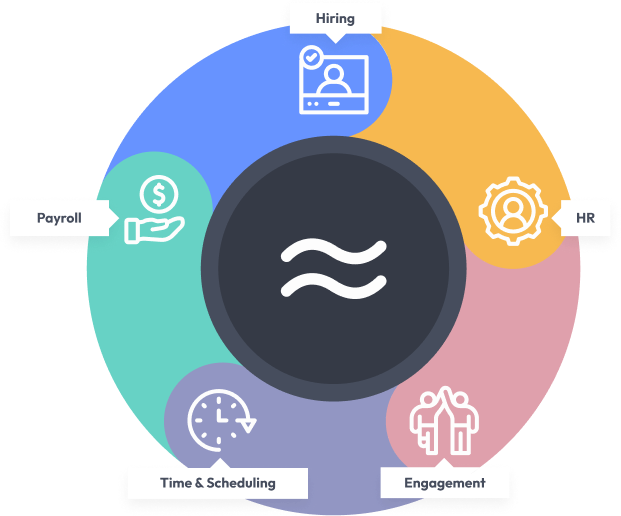

Hiring
Hire better quality workers, faster

HR
Streamline people processes and ensure employee records are always accurate

Engagement
Reduce turnover and increase worker engagement

Time & Scheduling
Manage schedules and hours worked to optimize your labor costs

Payroll
Pay your team quickly, easily, and accurately
resources
Become a hiring and onboarding expert.



Be smart with your hourly workforce
