



How to Hire Behavioral Health Technicians: Streamline Your Process for Better Results
Streamline how you hire behavioral health technicians with Workstream’s all-in-one platform—automate recruitment, onboarding, and compliance to build a stronger behavioral health staff.

How to Hire Behavioral Health Technicians: A Practical Guide for Small Business Owners
If you’ve ever tried to hire behavioral health technicians, you know it’s not just about finding a warm body to fill a shift. It’s about recruiting people with patience, empathy, and the grit to handle tough days—sometimes all before noon. Whether you’re running a small clinic, a residential facility, or a bustling hospital department, the process can feel overwhelming. But here’s the thing: with the right approach and tools, you can build a team that truly makes a difference.
Why Hiring Behavioral Health Technicians Matters More Than Ever
The demand for behavioral health services is climbing—fast. From supporting children with autism to assisting adults in crisis, these technicians are the backbone of mental health care. But high turnover and burnout are rampant, especially in hourly roles. According to industry research, turnover can cost up to 200% of an employee’s annual salary. That’s not just a line item—it’s a blow to your team’s morale and your bottom line.
So, what’s driving this churn? For starters, inconsistent schedules and lack of benefits play a huge role. The impact of benefits on recruitment and retention is well-documented, even outside healthcare. If you ask me, offering perks—even small ones—can turn a “maybe” into a “yes.”
The Hidden Costs of Turnover
- Employee turnover drains time and money from training, onboarding, and lost productivity.
- Staffing gaps can lead to compliance risks and even fines if shifts go unfilled or records aren’t kept up-to-date (recordkeeping requirements matter!).
- Morale dips when teams are stretched thin—leading to more resignations in a vicious cycle.
Step-by-Step: How to Hire Behavioral Health Technicians That Stick Around
1. Write a Job Description That Actually Resonates
Let’s be honest: most job ads for behavioral health techs sound like they were written by robots. To attract top talent, highlight what makes your workplace unique. Emphasize growth opportunities, flexibility, and your commitment to employee well-being. For inspiration, check out these job posting examples and tips on making your job ad stand out.
Don’t forget to call out benefits—big or small. The DoorDash/Technomic report shows that even modest perks can tip the scales for hourly workers.
2. Source Candidates Where They Actually Look
To recruit behavioral health staff, you have to meet them where they are—think beyond Indeed or LinkedIn. Social media platforms like Instagram are gaining traction for hourly roles (learn how to use Instagram for hiring). And don’t underestimate the power of referrals; employees who refer friends often stick around longer themselves.
- Use digital recruiting strategies from resources like Monster.com’s digital recruiting guide.
- Get creative with your outreach—consider local colleges, vocational programs, or even Facebook groups popular in your region.
- Automate repetitive tasks with platforms like Workstream’s hiring automation tools, which can cut time-to-hire by half and reduce turnover dramatically.
3. Screen for Soft Skills (and Don’t Skip Reference Checks)
A behavioral health technician’s technical skills matter—but their ability to connect with clients is non-negotiable. Use structured interviews with scenario-based questions (the STAR method guide is a lifesaver). For more nuanced roles, motivational interviewing techniques can reveal how candidates handle stress and conflict (see our motivational interviewing tips).
And honestly, don’t skip those reference checks. They’re your best bet for spotting red flags before someone’s first shift.
4. Streamline Onboarding—Or Risk Losing New Hires Fast
You’ve found the right person—now don’t lose them in a maze of paperwork! Automated onboarding platforms like Workstream help new hires complete forms digitally (even from their phones), reducing onboarding time from hours to minutes. This isn’t just about convenience—it’s about showing new team members you value their time from day one.
- Use clear onboarding templates (grab some here) to ensure nothing falls through the cracks.
- Set expectations early with a strong operations manual (see handbook tips here)—even if you’re not running a restaurant, many principles apply.
- Automate reminders so nothing gets missed during those hectic first weeks.
Beyond the Basics: Compliance, Scheduling, and Retention in Behavioral Healthcare Recruitment
The Legal Stuff You Can’t Ignore (Disclaimer: Not Legal Advice!)
Compliance is non-negotiable. From wage recordkeeping (Department of Labor guidelines) to background checks and certifications, missing a step can be costly. Some businesses report saving up to $25K per year by avoiding compliance-related lawsuits and fees—money better spent on staff development or retention bonuses.
Smooth Scheduling = Happy Staff (and Fewer No-Shows)
If you’re still juggling shifts on paper or Excel, you’re probably overpaying and understaffing at least once a week. Modern scheduling tools can save up to 1.7 hours per employee per week—that adds up to $10K per year per location. Platforms like Workstream’s integrated scheduling suite make it easy to create shifts, send reminders, and avoid overtime headaches.
Retention: Keeping Your Team Engaged for the Long Haul
The real secret sauce? Engagement. According to research on causes of employee turnover in hospitality, employees leave when they feel undervalued or disconnected from their team. Regular check-ins, recognition programs, and clear paths for advancement all help. For more ideas, see how companies improve engagement and retention among hourly workers in this Harvard Business Review article.
If you want your behavioral healthcare recruitment efforts to pay off, focus on building a culture where people want to stay—not just where they have to show up.
The Human Element: Recruiting Behavioral Health Aides with Heart
The Power of Empathy (and a Little Humor)
No two days are alike in behavioral health—and honestly, that unpredictability is both the challenge and the charm of this field. When you recruit behavioral health aides, look for people who can roll with the punches and laugh at the chaos sometimes. A little humor goes a long way when things get tough.
If you’re struggling to find candidates who “get it,” consider using scenario-based interview questions or trial shifts. Sometimes seeing someone in action tells you more than any resume ever could (cultural fit interview questions can help here).
Pitfalls to Avoid When You Hire Mental Health Technicians
- Rushing the process: Filling seats fast is tempting but costly if you hire the wrong fit. Use smart screening tools (pre-employment assessments from eSkill) to weed out mismatches early.
- Poor communication: Keep candidates updated throughout the process—ghosting isn’t just rude; it hurts your reputation.
- Ignoring feedback: Ask your current staff what would make their jobs easier or more rewarding—and actually listen!
The Bottom Line: Building a Resilient Team with Better Tools and Smarter Strategies
If you want to hire behavioral health technicians who stick around and make an impact, it takes more than luck or gut instinct. It takes clear communication, streamlined processes, and—let’s be real—a bit of tech magic behind the scenes. Platforms like Workstream offer mobile-first solutions that automate hiring, onboarding, scheduling, and payroll—freeing you up to focus on what matters most: your people and your clients.
The future of behavioral healthcare recruitment is bright for those willing to adapt. With smart strategies and the right partners by your side, you’ll not only fill roles faster—you’ll build a culture where great people want to stay.
Ready for More?
.svg)


All your important HR tasks under one roof
Today’s business owners and HR teams are overwhelmed with administrative tasks: manual processes and exports, duplicative data entry, and siloed information. Workstream centralizes and simplifies people tasks so you can move fast, reduce labor costs, and simplify operations—all in one place.
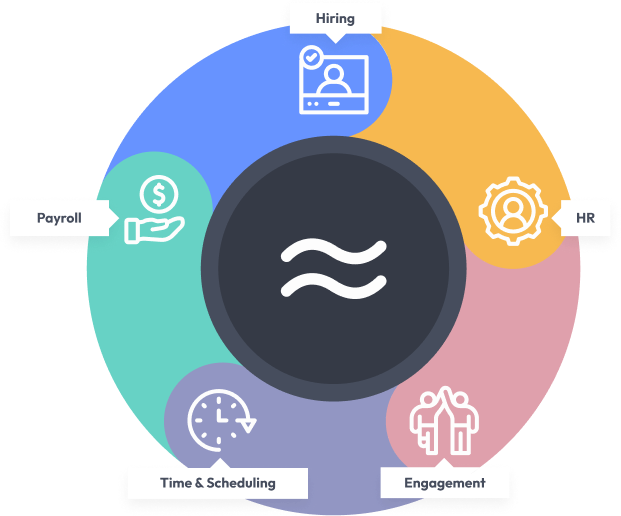

Hiring
Hire better quality workers, faster

HR
Streamline people processes and ensure employee records are always accurate

Engagement
Reduce turnover and increase worker engagement

Time & Scheduling
Manage schedules and hours worked to optimize your labor costs

Payroll
Pay your team quickly, easily, and accurately
resources
Become a hiring and onboarding expert.


Be smart with your hourly workforce
