



How to Hire Arborists: A Down-to-Earth Guide for Small Business Owners
Discover proven strategies to hire arborists who are skilled, safe, and reliable—so your tree care business grows stronger season after season.

How to Hire Arborists: A Down-to-Earth Guide for Small Business Owners
If you run a landscaping business, tree care company, or manage property in the U.S., chances are you’ve wondered how to hire arborists who are not just skilled with a chainsaw but also bring reliability, safety, and a touch of pride to every job. Let me tell you—finding the right tree care professionals can feel like searching for a needle in a haystack, especially when the stakes are high (literally, if you’re talking about 80-foot oaks!). But don’t worry; we’re digging deep into the roots of tree service hiring so your next arborist recruitment doesn’t leave you stumped.
The Realities of Arborist Recruitment: What’s at Stake?
Let’s be honest—tree care staff aren’t your average hires. They’re part scientist, part athlete, and part artist. The wrong hire can lead to property damage, safety risks, and unhappy clients. And with industry turnover rates soaring, it’s more important than ever to get this right.
- Safety first: Tree work is dangerous—OSHA regulations are strict, and insurance costs climb if you cut corners.
- Skill matters: Not every “tree guy” is an arborist. Certification and experience matter for both quality and liability.
- Retention is tough: The labor market is tight, and good arborists know their worth. You need to make your company stand out.
Honestly, if you ask me, it’s a lot like running a restaurant: you need the right mix of skill, attitude, and hustle. And just like in the hospitality world, turnover hurts your bottom line—sometimes more than you realize. Employee turnover can cost thousands per lost worker, not to mention the time lost retraining.
Why Tree Care Professionals Leave (and How to Keep Them)
The reasons arborists jump ship are often the same as in other hourly industries: unpredictable schedules, lack of benefits, and feeling undervalued. According to Harvard Business Review research, engagement and clear career paths are key to keeping hourly workers around.
- Flexible scheduling keeps burnout in check.
- Benefits packages attract top talent—even in tree care.
- Recognition and growth opportunities boost loyalty.
If you don’t address these needs, you’ll be stuck in a revolving door of recruitment. That’s why modern platforms like Workstream’s hiring automation tools can help by streamlining communication and offering digital onboarding—making your business look as professional as the big guys.
Building a Strong Arborist Recruitment Pipeline
You wouldn’t plant a tree without prepping the soil first. The same goes for hiring arborists. Here’s how to set yourself up for success:
1. Write Job Descriptions That Stand Out (and Are Legally Sound!)
A great job ad does more than list duties—it sells your company culture and sets expectations. For inspiration on crafting compelling postings, check out these job posting examples. Make sure to:
- Highlight certifications: ISA certification or state licenses are gold standards for credibility.
- Mention pay transparency: According to SHRM research, salary details attract more applicants.
- Call out benefits: Even small perks (like paid lunch breaks or gear stipends) make a difference. See tips for calling out benefits.
2. Source Candidates Like a Pro
Gone are the days when a Craigslist post would do the trick. Now, you’ll want to use social media (yes, even Instagram—see how to hire on Instagram) and specialized job boards. For creative sourcing strategies, check out this guide on finding qualified candidates.
- Tap into local networks: Community colleges and trade schools often have arboriculture programs.
- Employee referrals: Your current team knows who’s good in town—don’t ignore their input!
- Automate outreach: Platforms like Workstream let you schedule interviews and send reminders automatically—saving hours each week.
3. Screen and Interview Thoughtfully
The interview is where you separate the “weekend warriors” from true professionals. Use structured questions (like those found in this cultural fit interview guide) and consider skills assessments from platforms such as eSkill.
- Ask about safety protocols: Their answers reveal training and attitude toward risk.
- Dive into real scenarios: “Tell me about a time you handled an emergency on the job.”
- Check references thoroughly: Don’t skip this step—past performance predicts future reliability.
Simplifying Onboarding and Compliance (Without Losing Your Mind)
If you’ve ever spent hours chasing paperwork or reminding new hires about certifications, you know onboarding can be a headache. Here’s where digital tools shine. With solutions like Workstream’s new hire onboarding platform, you can digitize forms, automate reminders, and ensure compliance—all from your phone.
- Automated document collection: Get those W-4s and certifications signed before day one.
- Scheduling made easy: Use templates like this 24-hour schedule template for shift planning—no more sticky notes or last-minute texts.
- Compliance tracking: Stay on top of OSHA requirements with built-in alerts (and avoid those $25K fines).
You might not realize it yet, but automating these steps can save your business thousands each year—not just in labor costs but in reduced legal risk too. For more on why onboarding matters so much for hourly staff, see these onboarding best practices.
The Hidden Costs of Getting It Wrong
If your onboarding is clunky or incomplete, expect higher turnover and possible compliance headaches. According to industry data, losing just one front-line worker can cost over $5,800 in direct and indirect expenses (turnover rate analysis). Multiply that by a few bad hires each year, and it adds up fast.
The Workstream Advantage: Tree Care Staff Hiring Made Simple
I know what you’re thinking: “All these steps sound great—but who has the time?” That’s where platforms like Workstream’s hiring automation suite come in handy. With smart screening, automated interview scheduling, digital onboarding, and compliance tools built for hourly businesses (including tree care), you can:
- Reduce time-to-hire by half, so your crew isn’t short-staffed during peak season.
- Avoid costly mistakes, thanks to compliance tracking and digital document storage.
- Create a better experience for both managers and new hires, which means lower turnover—and less stress for everyone involved.
If you want more stories about how tech is transforming hourly hiring, check out how other businesses are using instant pay access (instant pay access blog) or see how innovative franchises build winning teams (Five Guys franchise story). For those ready to take the plunge into smarter hiring for tree care staff—or any hourly workforce—contact Workstream today.
A Few Final Thoughts (and Friendly Reminders)
No two trees—or two hires—are exactly alike. But if you lay the groundwork with clear expectations, smart sourcing, thoughtful screening, and seamless onboarding, you’ll build a team that stands tall season after season. Don’t forget: investing in your people pays off big time down the road. And if you ever feel lost in the weeds? There’s no shame in reaching out for help or using tools designed to make your life easier.
If you’re hungry for more practical guides on hiring hourly workers or want to see what sets top-performing teams apart, explore these resources:
- Restaurant hiring tips for hourly roles
- Creative job posting strategies that work
- Onboarding templates for new hires
- HRIS certification guide for HR pros
- Free job posting sites roundup
- Employee retention strategies explained
- Motivational interviewing techniques for hiring managers
- Salary vs hourly employment explained
- About Workstream’s mission for hourly businesses
- Workstream’s all-in-one hiring platform overview
This article is intended as general guidance only; always consult legal counsel regarding employment law compliance in your area.
.svg)


All your important HR tasks under one roof
Today’s business owners and HR teams are overwhelmed with administrative tasks: manual processes and exports, duplicative data entry, and siloed information. Workstream centralizes and simplifies people tasks so you can move fast, reduce labor costs, and simplify operations—all in one place.
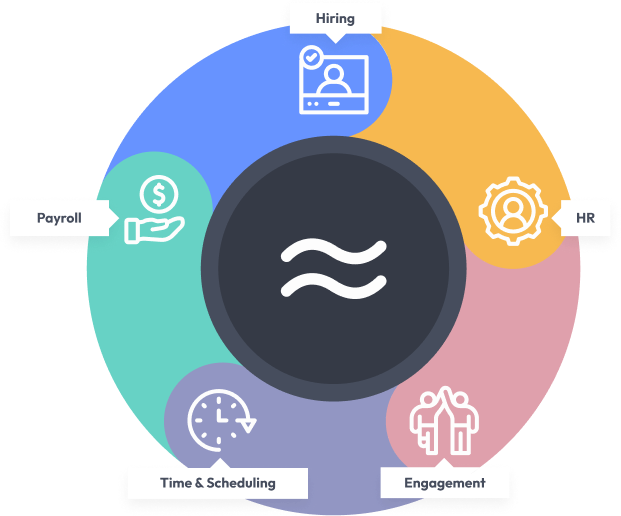

Hiring
Hire better quality workers, faster

HR
Streamline people processes and ensure employee records are always accurate

Engagement
Reduce turnover and increase worker engagement

Time & Scheduling
Manage schedules and hours worked to optimize your labor costs

Payroll
Pay your team quickly, easily, and accurately
resources
Become a hiring and onboarding expert.


Be smart with your hourly workforce
