



How to Hire Marriage and Family Therapists: Step-by-Step Guide for Small Businesses
Discover the best steps to hire marriage and family therapists, from sourcing candidates to onboarding, and build a stronger support team for your organization.

How to Hire Marriage and Family Therapists: A Practical Guide for Small Business Owners
Let’s face it—finding the right person to help families and couples navigate life’s toughest moments isn’t just about posting a job online and hoping for the best. When you hire marriage and family therapists, you’re not just filling a seat; you’re inviting someone to become a trusted resource for your clients. So, how do you make sure you’re recruiting the best? Well, grab a cup of coffee, and let’s get into the nuts and bolts of hiring automation for this critical role.
Understanding the Role: Why Marriage and Family Therapists Matter
Marriage and family therapists (MFTs) are the unsung heroes in the mental health world. Their job isn’t just about resolving arguments or doling out advice—it’s about guiding families and couples through complex emotional terrain. If you ask me, the impact of a great therapist can ripple through entire communities.
What Makes a Great Marriage and Family Therapist?
- Empathy and active listening—these folks need to really hear what’s not being said.
- Strong credentials—look for state licensure and advanced degrees in counseling or therapy.
- Experience with diverse family structures and issues—because every family is its own universe.
- Cultural competence—especially if your clientele comes from varied backgrounds.
And let’s not forget, the traits of committed employees matter just as much in therapy as they do in any other field.
Recruiting Marriage and Family Therapists: Where to Start
Here’s the thing: Family therapist recruitment is a bit of an art and a science. You want to cast a wide net, but you also want to be intentional about who you bring in. Don’t just rely on word of mouth—think broader and smarter.
Crafting the Perfect Job Posting
- Highlight your mission and values—therapists want to know they’re joining a supportive environment.
- Be clear about required qualifications and licensure.
- Mention benefits and growth opportunities (trust me, this matters—see how benefits impact recruitment and retention).
- Use job posting examples to make your ad stand out.
And if you’re struggling with creative ways to attract candidates, check out these creative recruitment ads for inspiration.
Where to Find Therapists
- Professional networks and associations—think state MFT boards or the American Association for Marriage and Family Therapy.
- Online job boards and platforms—sites like Indeed or LinkedIn can be goldmines, especially if you use Indeed for employers efficiently.
- University career centers—many new grads are eager to start their careers and bring fresh perspectives.
- Referrals from current staff—sometimes, your best new hire is a friend-of-a-friend.
Don’t forget to expand your digital reach and tap into proactive candidate sourcing for even better results.
Screening and Interviewing: Separating the Good from the Great
Alright, so you’ve got a stack of resumes. Now what? Screening and interviewing are where you separate the wheat from the chaff. It’s not just about credentials—it’s about fit, attitude, and the ability to handle the emotional rollercoaster that comes with marriage counseling.
Smart Screening Techniques
- Use pre-employment assessments—platforms like eSkill can help you gauge soft skills and situational judgment.
- Look for red flags—gaps in employment, lack of licensure, or vague work history.
- Ask for references and actually call them (you’d be surprised how many folks skip this step).
And if you’re not sure what to ask, try cultural fit interview questions or brush up on motivational interviewing techniques.
Interviewing for Soft Skills
Let’s be real—anyone can talk theory, but not everyone can connect with families in crisis. During interviews, use the STAR method to get candidates talking about real-life scenarios. Ask about their approach to difficult cases, and don’t be afraid to throw in a curveball question or two. Sometimes, how a candidate handles the unexpected tells you everything you need to know.
Onboarding and Retention: Keeping Your Therapists Happy
So you’ve found your unicorn—now, how do you keep them? Retention is just as important as recruitment, especially in a field known for burnout. If you want to find therapists and keep them, you’ve got to invest in their growth and well-being.
Effective Onboarding Strategies
- Streamline paperwork and compliance with digital tools—Workstream’s onboarding templates can help.
- Assign a mentor or buddy—new hires need a go-to person for those “what do I do now?” moments.
- Set clear expectations and provide regular feedback.
For more on onboarding, check out how to get employee onboarding right and entry interview best practices.
Retention: The Secret Sauce
- Offer competitive pay and benefits—see how benefits can impact retention.
- Support work-life balance and flexibility—this is huge for therapists managing emotional labor.
- Foster a positive, inclusive workplace culture—read more about organizational culture and turnover.
- Provide ongoing professional development—nobody wants to feel stuck.
Don’t underestimate the power of recognition and growth. As highlighted in what makes employees happy, simple gestures can go a long way.
Compliance, Legal Stuff, and Common Pitfalls
Alright, here’s the less glamorous side—compliance and legal requirements. You can’t just hang a shingle and hope for the best. Make sure you’re up to speed on state licensure, background checks, and wage laws. For recordkeeping, see the U.S. Department of Labor’s wage recordkeeping guidelines.
Disclaimer: This article is for informational purposes only and does not constitute legal advice. Always consult with a legal professional or HR expert for your specific situation.
Common Pitfalls to Avoid
- Skipping reference checks—don’t do it!
- Ignoring cultural fit—skills matter, but so does alignment with your values.
- Neglecting onboarding—poor onboarding is a recipe for quick turnover.
- Failing to prioritize mental health for your staff—therapists need support, too.
And if you’re curious about turnover costs, here are the numbers you need to know and how turnover affects the industry.
Why Workstream Makes Life Easier for Therapy Practices
Honestly, juggling all these moving parts can feel like herding cats. That’s where Workstream’s all-in-one HR and payroll platform comes in. With mobile-first hiring, automated onboarding, scheduling, and payroll, you’ll spend less time on admin and more time building a thriving practice. Plus, features like digital onboarding and smart scheduling help you keep your team happy and compliant.
Ready to build a team that makes a difference? With the right approach—and the right tools—you’ll find, recruit, and keep the best marriage and family therapists out there. And isn’t that what it’s all about?
Further Reading and Resources
- Explore HR statistics to inform your hiring strategy.
- Learn about calling out benefits in job descriptions to attract top talent.
- Discover traits of committed employees for better retention.
- Check out onboarding templates for a smooth start.
- Find more tips on efficient scheduling for your team.
.svg)


All your important HR tasks under one roof
Today’s business owners and HR teams are overwhelmed with administrative tasks: manual processes and exports, duplicative data entry, and siloed information. Workstream centralizes and simplifies people tasks so you can move fast, reduce labor costs, and simplify operations—all in one place.
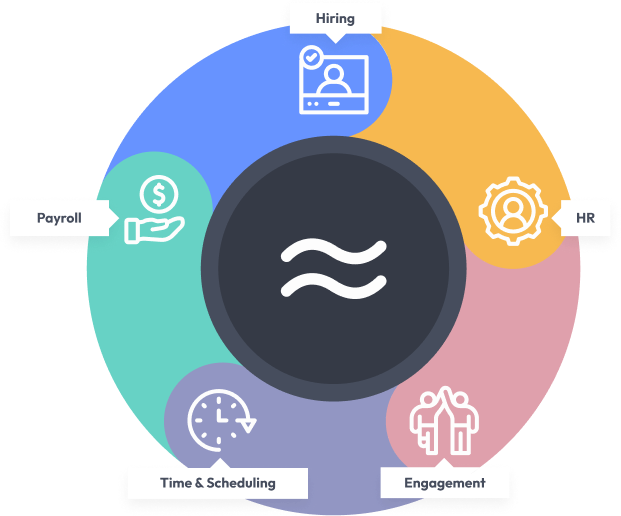

Hiring
Hire better quality workers, faster

HR
Streamline people processes and ensure employee records are always accurate

Engagement
Reduce turnover and increase worker engagement

Time & Scheduling
Manage schedules and hours worked to optimize your labor costs

Payroll
Pay your team quickly, easily, and accurately
resources
Become a hiring and onboarding expert.



Be smart with your hourly workforce
