



How to Hire Sous Chefs: Essential Steps for Restaurant Owners and Hiring Managers
Learn proven strategies to hire sous chefs, streamline your recruitment process, and build a skilled kitchen team with our comprehensive step-by-step guide for restaurants.

How to Hire Sous Chefs: A Practical Guide for Restaurant Owners
Finding and hiring a great sous chef is a bit like assembling the perfect recipe—one missing ingredient, and the whole dish falls flat. If you’re running a restaurant, you already know the sous chef is the engine that keeps your kitchen humming. But how do you hire sous chefs who not only have the chops but also fit your kitchen’s rhythm? Let’s talk about it—no fluff, just real-world advice for busy owners and managers who need results, not headaches.
Why Getting the Right Sous Chef Matters
Honestly, the sous chef is your right hand. They’re the bridge between your executive chef and the rest of your kitchen staff. Mess up this hire, and you’ll feel it in your food quality, team morale, and even your bottom line. According to Michelin Guide, turnover in the kitchen is a major pain point—and sous chefs are no exception. The cost of replacing a sous chef can be staggering, both in dollars and in lost consistency.
But here’s the thing: it’s not just about culinary skills. It’s about leadership, communication, and the ability to keep cool when the dinner rush hits like a summer thunderstorm. If you ask me, a sous chef who can’t manage stress or motivate a team is like a dull knife—more trouble than it’s worth.
The Hidden Costs of Bad Hires
Did you know that employee turnover can cost your restaurant thousands each year? And it’s not just about money. High turnover disrupts your kitchen’s flow, impacts customer satisfaction, and can even affect your restaurant’s reputation. For a deeper dive, check out the Harvard Business Review's case study on how fast-food chains keep turnover low.
Where to Find Sous Chefs (and How to Attract the Best)
Finding the right sous chef is a mix of art and science. Sure, you can post on job boards, but the best candidates often come through referrals or by actively sourcing talent. Don’t forget, your reputation as an employer matters—a lot. According to Modern Restaurant Management, happy employees are your best recruiters.
- Use targeted job boards: Sites like Workstream’s job posting templates help you craft clear, compelling ads that attract serious candidates.
- Tap into your network: Ask your current team and industry contacts. Sometimes the best sous chefs aren’t actively looking—they just need the right opportunity.
- Leverage social media: Platforms like Instagram and Facebook are where many chefs hang out. For tips, see how to use Instagram to hire hourly workers.
- Highlight your benefits: According to DoorDash research, benefits play a huge role in attracting and keeping top talent.
What to Include in Your Job Description
It’s tempting to write a generic ad, but that’s a rookie mistake. Be specific about the skills and qualities you need. For inspiration, check out these employee handbook tips and creative job posting ideas.
Screening and Interviewing: Separating the Wheat from the Chaff
Once the applications start rolling in, it’s time to separate the pros from the pretenders. Don’t just look at resumes—dig deeper. Use pre-employment assessments to test culinary and leadership skills. And when it comes to interviews, focus on real-world scenarios. Ask about how they handle a short-staffed shift or a customer complaint. Need some inspiration? These motivational interviewing techniques and cultural fit questions will help.
Red Flags to Watch Out For
- Job hopping: Frequent moves can signal deeper issues. For more, see what causes turnover in hospitality.
- Poor references: Always call previous employers. A great sous chef should leave a positive mark.
- Inflexibility: Kitchens are dynamic. If a candidate resists change or new systems, that’s a warning sign.
Onboarding and Retaining Your Sous Chef
So you’ve found your sous chef—now what? Onboarding is where many restaurants drop the ball. A strong start can make all the difference. According to onboarding statistics, a good onboarding process can boost retention and productivity. For practical templates, check Workstream’s onboarding templates.
Retention is a whole other ballgame. Offer competitive pay, but don’t forget about culture and growth opportunities. The Harvard Business Review points out that engagement and career development are huge drivers for younger workers. And let’s be honest—nobody wants to feel stuck in a dead-end job, especially not your sous chef.
Compliance and Legal Considerations
Don’t forget the paperwork. Accurate recordkeeping is a must—see the Department of Labor’s guidelines for what you need to track. And if you’re hiring part-time or hourly, make sure you understand benefits eligibility rules. When in doubt, consult a legal pro—better safe than sorry.
Why Workstream Makes Hiring Sous Chefs (and Kitchen Staff) Easier
If you’re tired of juggling spreadsheets, endless emails, and missed interviews, you’re not alone. Workstream’s hiring automation tools cut your time-to-hire in half and reduce turnover by 50%. With features like mobile-friendly onboarding, automated interview scheduling, and integrated compliance, you can focus on building a strong kitchen team—not on paperwork. Plus, Workstream’s platform is designed specifically for hourly workers, making it a natural fit for restaurants and hospitality businesses.
Final Thoughts: The Recipe for Success
Hiring a sous chef isn’t just about filling a slot on your org chart. It’s about finding a partner who’ll help your kitchen thrive. Take your time, trust your gut, and don’t be afraid to ask tough questions. And if you want to make the process smoother, give Workstream a look—you might just find it’s the missing ingredient you’ve been searching for.
Further Reading and Resources
.svg)


All your important HR tasks under one roof
Today’s business owners and HR teams are overwhelmed with administrative tasks: manual processes and exports, duplicative data entry, and siloed information. Workstream centralizes and simplifies people tasks so you can move fast, reduce labor costs, and simplify operations—all in one place.
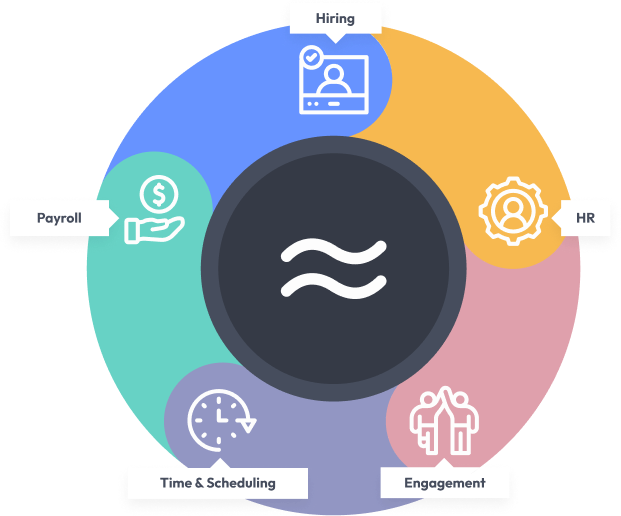

Hiring
Hire better quality workers, faster

HR
Streamline people processes and ensure employee records are always accurate

Engagement
Reduce turnover and increase worker engagement

Time & Scheduling
Manage schedules and hours worked to optimize your labor costs

Payroll
Pay your team quickly, easily, and accurately
resources
Become a hiring and onboarding expert.


Be smart with your hourly workforce
