



How to Hire Store Associates: Proven Strategies for Building a Winning Retail Team
Discover the best strategies to hire store associates, streamline your recruitment process, and build a strong retail team for lasting business success.

How to Hire Store Associates: The Practical Guide for Retailers
Let’s be honest—if you run a retail business, you already know that finding and keeping great store associates is like trying to catch lightning in a bottle. One day you’ve got a team that clicks, the next you’re scrambling to cover shifts. So, how do you hire store associates who actually stick around, drive sales, and keep your customers happy? Let’s break it down, with a few detours into what really matters for today’s retail managers.
Why Store Associates Make or Break Your Business
First things first: your store associates are the face of your brand. They’re the ones chatting with customers, recommending products, and making sure the shelves don’t look like a tornado hit them. If you ask me, hiring the right people is half the battle in retail. But don’t just take my word for it—high employee turnover is one of the biggest headaches in the industry, and it’s costing businesses more than you might think.
According to industry research, losing a single front-line employee can set you back several thousand dollars. That’s not just pocket change, especially for small businesses. And when you consider the time and energy spent on recruiting and training new hires, it’s clear why getting hiring right the first time is so important.
Getting Started: How to Find Retail Associates Who Fit
Rethink Your Job Postings
The days of slapping up a generic “Help Wanted” sign are over. If you want to find retail associates who are a good fit, you need to get specific—about the role, the culture, and what you offer. For inspiration, check out these job posting examples that actually attract quality hourly workers.
- Highlight growth opportunities and benefits—these matter more than ever, as shown in this DoorDash report.
- Be clear about expectations, from scheduling to sales goals.
- Use language that reflects your store’s personality—people want to know what kind of team they’re joining.
Source Candidates Where They Are
Let’s face it, most of your next hires aren’t browsing the classifieds. They’re on their phones, scrolling through social media, or checking out job boards. Posting on platforms like Indeed or even using Instagram for hiring can help you reach a wider, more relevant pool of candidates. And don’t underestimate the power of referrals—your current team probably knows someone who’d be a great fit.
Screen for Attitude, Train for Skill
Sure, retail experience is nice, but it’s not everything. According to Harvard Business Review, hiring for attitude and training for skill can dramatically reduce turnover. Look for candidates who are friendly, adaptable, and genuinely interested in helping people. You can always teach someone how to run the register, but you can’t teach them to care about your customers.
Recruit Store Staff: Streamline the Process and Stand Out
Make Your Application Process Mobile-Friendly
Today’s job seekers expect to apply from their phones. If your application process is clunky or requires a desktop, you’re losing out. Tools like Workstream’s hiring automation make it easy for candidates to apply via text or mobile, speeding up your time-to-hire and reducing drop-offs. And if you’re worried about compliance, digital workflows help you keep everything organized and above board.
Automate Where It Counts
Let’s be real—no one wants to spend hours sorting through resumes. With smart screening and automated interview scheduling, you can focus on meeting the best candidates, not just the first ones who apply. Platforms like Workstream let you customize workflows, send reminders, and even manage onboarding—all from your phone. That means less paperwork and more time connecting with your team (or, let’s be honest, grabbing a much-needed coffee).
Don’t Forget About Onboarding
Once you’ve found your new hire, the real work begins. A smooth onboarding process sets the tone for their entire experience. Digital document completion and automated reminders, like those offered by these onboarding templates, can help you get new associates up to speed in minutes, not hours. And a good onboarding experience is proven to boost retention—something every retailer could use more of.
Retail Sales Associate: What Makes a Great Hire?
Look Beyond the Resume
It’s tempting to focus on experience, but sometimes the best retail sales associate is someone who’s new to the industry but eager to learn. According to Fortune, offering training and clear paths to advancement can turn entry-level hires into long-term assets. Ask questions that reveal how candidates handle tough customers or busy days—those stories tell you more than a list of past jobs ever could.
Prioritize Engagement and Flexibility
Happy employees stick around, plain and simple. Engagement tools—like team-wide announcements and automated shift reminders—help associates feel connected and informed. If you want to keep your team happy (and who doesn’t?), check out these survey insights on what makes retail employees satisfied.
And don’t forget flexibility. Offering part-time schedules or instant pay access (yes, that’s a thing now—learn more about instant pay) can make your store a more attractive place to work. It’s not just about pay—it’s about making life a little easier for your team.
Common Pitfalls and How to Avoid Them
- Dragging your feet on hiring: In retail, speed matters. Automated tools can help you cut your time-to-hire in half. Don’t let great candidates slip away because your process is too slow.
- Ignoring compliance: Accurate recordkeeping is a must. Brush up on Department of Labor requirements and use digital solutions to keep your paperwork in order.
- Overlooking onboarding: A rushed or confusing onboarding process can send new hires running. Invest in a process that welcomes and trains associates from day one.
- Failing to communicate: Regular feedback, clear schedules, and open lines of communication make all the difference. If you’re not sure where to start, check out these communication tips.
Wrapping Up: The Future of Store Associate Hiring
Hiring in retail isn’t getting any easier, but with the right approach—and the right tools—you can build a team that’s loyal, engaged, and ready to help your business thrive. If you’re looking to hire store associates faster, smarter, and with less stress, solutions like Workstream are worth a closer look. They’re designed for hourly businesses, with features that cut labor costs, reduce turnover, and make life easier for everyone involved.
Honestly, when you consider the cost of turnover, the time lost to manual scheduling, and the headaches of compliance, investing in a streamlined hiring process just makes sense. And who knows? With a little help, you might just catch that lightning in a bottle after all.
Want to Learn More?
- Discover how restaurant hiring is evolving with technology.
- Explore tips for highlighting benefits in your job postings.
- Find out how Five Guys scaled their hiring as they grew.
- Read about what makes McDonald’s so successful at hiring and retention.
- Get the scoop on traits of committed employees and how to spot them.
.svg)


All your important HR tasks under one roof
Today’s business owners and HR teams are overwhelmed with administrative tasks: manual processes and exports, duplicative data entry, and siloed information. Workstream centralizes and simplifies people tasks so you can move fast, reduce labor costs, and simplify operations—all in one place.
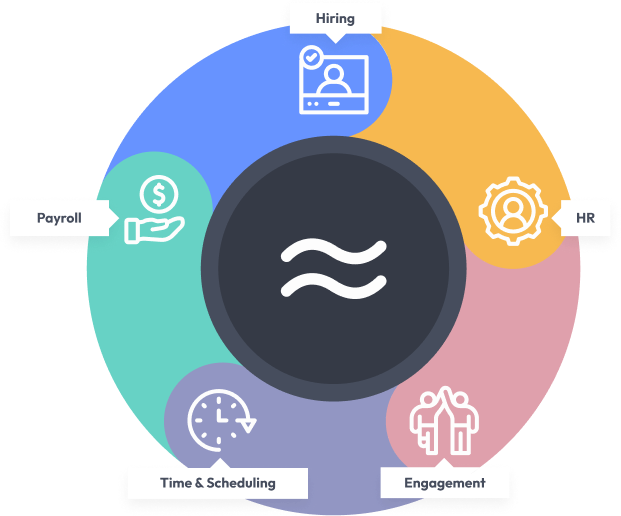

Hiring
Hire better quality workers, faster

HR
Streamline people processes and ensure employee records are always accurate

Engagement
Reduce turnover and increase worker engagement

Time & Scheduling
Manage schedules and hours worked to optimize your labor costs

Payroll
Pay your team quickly, easily, and accurately
resources
Become a hiring and onboarding expert.

Be smart with your hourly workforce
