



How to Hire Bar Backs: The No-Nonsense Guide for Restaurant Owners
Discover how to hire bar backs who stick around—get practical tips for sourcing, screening, onboarding, and retaining top bar support staff.

How to Hire Bar Backs: A No-Nonsense Guide for Restaurant Owners
Let’s be real—if you run a bar or restaurant, you know that bar backs are the unsung heroes behind every smooth shift. They’re the glue that keeps bartenders happy, glasses clean, and the ice bin from running dry. But how do you hire bar backs who’ll actually stick around and make your life easier, not harder? Here’s the thing: finding, recruiting, and keeping top-notch bar support staff isn’t just about posting a job and hoping for the best. It’s about understanding what makes these roles tick and using every tool at your disposal—yes, even tech—to build a reliable team.
What Does a Bar Back Really Do?
If you ask me, bar backs are the ultimate multitaskers. They’re stocking, cleaning, running—sometimes all at once. But before you start looking to find bar back staff, make sure you know exactly what you need. A clear job description helps set expectations for everyone involved.
- Restocking liquor, beer, and mixers
- Keeping glassware clean and ready
- Assisting bartenders during rushes
- Handling trash, spills, and basic cleaning
- Sometimes helping with inventory or deliveries
It sounds simple, but trust me—turnover is brutal in this role. That’s why getting it right from the start matters.
The Real Cost of High Turnover (And Why Bar Backs Leave)
Ever feel like you’re just training bar backs for your competitors? You’re not alone. The cost of turnover in hospitality is eye-watering—some estimates put it at thousands per lost employee. And it’s not just about money; it’s about lost time, morale, and the extra stress on your core team.
So why do bar backs bail so often? According to industry research, common reasons include:
- Poor scheduling or unpredictable hours
- Lack of training or onboarding
- No clear path for advancement
- Low pay or missing benefits
- Toxic work culture or lack of recognition
If you’re serious about bar back staffing, you have to address these pain points head-on. For example, flexible scheduling isn’t just a perk—it’s a retention tool (see why schedule control matters here). And don’t underestimate how much a little appreciation can change the game.
The Scheduling Secret Sauce
Honestly, if there’s one thing that keeps hourly workers happy (and showing up), it’s a fair schedule. Modern tools let you create better schedules in less time—saving hours per week and reducing no-shows by up to 55%. If you’re still using pen and paper or endless text threads, it might be time to check out platforms like Workstream’s scheduling suite, which is built specifically for hourly teams.
How to Find Bar Back Staff: Sourcing Strategies That Work
You can’t just post a “help wanted” sign and expect a flood of talent. The best way to find bar back staff is to meet candidates where they already are—online and on their phones. Here are some practical strategies:
- Use free job boards and social media platforms (Instagram and Facebook are goldmines for local talent)
- Tap into proactive sourcing techniques, like reaching out to local hospitality schools or community groups
- Post smartly on Craigslist—but avoid common mistakes that attract the wrong crowd
- Expand your digital reach with targeted recruiting ads
- Write creative job postings that stand out from the crowd
Don’t forget referrals—your current staff probably knows someone looking for work. And if you want to move fast (because let’s face it, you need help yesterday), automated hiring tools like Workstream’s hiring automation platform can cut your time-to-hire in half.
Recruit Bar Back Employees with the Right Screening Process
You want reliable folks who can handle the pace—and maybe even move up someday. Here’s how to spot them:
- Ask behavioral interview questions that reveal grit and teamwork skills
- Use pre-employment assessments to quickly screen for basic skills (especially if you’re flooded with applicants)
- Look for signs of commitment and reliability in their work history
- Check for cultural fit—will they mesh with your existing team?
I’ve seen too many owners skip this step and regret it later. A little extra effort here saves a lot of headaches down the line.
Onboarding and Retaining Your Bar Support Staff: Don’t Drop the Ball!
You’ve made the hire—now what? If your onboarding is a mess, don’t be surprised when new hires ghost after a week. Smooth onboarding is proven to boost retention (see onboarding stats here). Consider using digital onboarding tools that let new hires fill out paperwork from their phone—no more chasing down signatures during happy hour.
- Leverage onboarding templates for consistency and speed
- Centralize employee data and documents digitally
- Highlight your benefits package—even small perks matter in this industry
- See how companies like Starbucks use benefits to retain part-time staff
- Give workers more control over their schedules with mobile apps
A Word on Compliance (Don’t Skip This!)
This isn’t legal advice, but you need to keep records straight and follow wage laws. The Department of Labor has specific requirements for recordkeeping—read up here if you’re unsure. Digital HR platforms can help automate compliance and save you thousands in potential fines.
Common Pitfalls When Hiring Bar Backs (And How to Dodge Them)
- Rushing the process: Desperation hires rarely work out. Use automation to move quickly without sacrificing quality.
- Poor communication: If your expectations aren’t clear from day one, don’t be shocked when things go sideways.
- No growth path: Even bar backs want to see a future—offer training or cross-training opportunities.
- Ignoring feedback: Your team knows what works (and what doesn’t). Listen to them!
- Underestimating technology: From scheduling to payroll, modern tools save time and reduce errors. Don’t be stuck in the past.
The Tech Advantage: Why Workstream Makes Sense for Bar Support Staff Hiring
If you’re juggling multiple locations or just tired of paperwork chaos, an all-in-one platform like Workstream is worth considering. You get smart screening, automated interview scheduling, mobile onboarding, shift management—all in one place. Some users have slashed turnover by half and saved thousands per year on HR costs. Not bad for something that also makes your life easier as an owner or manager.
The Bottom Line: Building a Winning Bar Team Takes More Than Luck
If you want to hire bar backs who stick around and actually make a difference, you need a strategy that covers sourcing, screening, onboarding, scheduling, and retention. Use tech where it helps (seriously—don’t fight the future), treat your people fairly, and never underestimate the power of a good schedule or a simple “thank you.” Want more tips? Check out these resources below for deeper dives into everything from job postings to employee engagement.
.svg)


All your important HR tasks under one roof
Today’s business owners and HR teams are overwhelmed with administrative tasks: manual processes and exports, duplicative data entry, and siloed information. Workstream centralizes and simplifies people tasks so you can move fast, reduce labor costs, and simplify operations—all in one place.
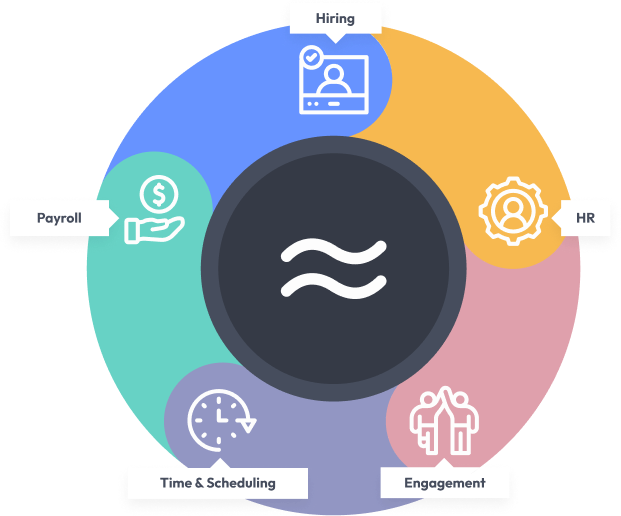

Hiring
Hire better quality workers, faster

HR
Streamline people processes and ensure employee records are always accurate

Engagement
Reduce turnover and increase worker engagement

Time & Scheduling
Manage schedules and hours worked to optimize your labor costs

Payroll
Pay your team quickly, easily, and accurately
resources
Become a hiring and onboarding expert.


Be smart with your hourly workforce
