



How to Hire Fashion Consultants: Step-by-Step Guide for Retailers to Build a Winning Team
Discover expert tips to hire fashion consultants for your retail store, streamline your hiring process, and attract top talent to elevate your brand’s style and customer experience.

How to Hire Fashion Consultants: A Modern Guide for Fashion Retailers
If you run a boutique or a bustling retail chain, you know that finding the right people to represent your brand is like picking the perfect accessory—essential, but not always easy. When it comes to hire fashion consultants, the stakes are even higher. These folks are the face of your store, the ones who help customers feel confident and stylish, and, honestly, the secret sauce behind those repeat visits. But how do you attract, evaluate, and keep top-tier talent in such a competitive market? Let’s walk through it together, and maybe take a few detours into what really keeps fashion retail staff happy on the job.
Why Fashion Consultants Matter (And Why You Can’t Afford to Get It Wrong)
Before we get into the nitty-gritty of fashion consultant hiring, let’s pause and ask: what makes a great fashion consultant? Is it just a keen eye for trends, or is there more to it? According to industry research, satisfaction and engagement are critical. Happy employees are more likely to deliver outstanding customer service, which, in retail, is everything.
High turnover in retail isn’t just a headache—it’s a budget-buster. Studies show that employee turnover can cost your business thousands each year, not to mention the hit to morale and customer experience. So, when you hire clothing store employees, you’re not just filling a schedule—you’re investing in your brand’s future.
What Sets Fashion Retail Staff Apart?
- They’re brand ambassadors, not just salespeople.
- They need strong communication skills and a knack for reading people.
- They often juggle multiple roles: stylist, inventory manager, and sometimes therapist (who hasn’t consoled a shopper after a tough fitting room session?).
Honestly, if you ask me, a good fashion consultant is worth their weight in gold—especially in an era where customer loyalty is hard-won.
Recruiting Fashion Salespeople: Where to Start?
Let’s get practical. The first step to recruit fashion salespeople is knowing where to look and how to appeal to the right candidates. Digital recruiting is the new norm, and platforms like Monster and Indeed can help you reach a broader pool. But don’t underestimate the power of social media—Instagram, in particular, is a goldmine for creative, fashion-forward talent. Check out these Instagram hiring tips if you haven’t already.
But here’s the thing: it’s not just about casting a wide net. You need to stand out as an employer, too. Highlight your store’s unique culture, growth opportunities, and—this is big—benefits. According to a DoorDash report, competitive benefits can make or break your ability to attract top talent in the retail and hospitality sectors.
Crafting the Perfect Job Posting
- Use clear, engaging language and highlight what makes your store unique.
- Be upfront about pay, perks, and scheduling flexibility. Transparency attracts serious candidates.
- List the skills and qualities you value most—think customer service, trend awareness, teamwork.
- Want inspiration? Here are some great job posting examples and creative tips to help your listing stand out.
Interviewing and Evaluating Candidates: Beyond the Résumé
Once you’ve got a stack of promising applications, it’s time to separate the truly passionate from the merely fashionable. Structured interviews are your friend here. Consider incorporating motivational interviewing techniques and cultural fit questions to see how candidates might mesh with your existing team.
And don’t forget about practical assessments. Some retailers have candidates style an outfit or role-play a customer interaction. It’s a little extra work, but you’d be surprised how much you learn from seeing someone in action.
Red Flags and Green Lights
- Red flag: Candidates who focus only on commissions, not customer service.
- Green light: Those who demonstrate empathy, adaptability, and a genuine love for helping others look and feel their best.
- Red flag: Vague answers about teamwork or handling difficult customers.
- Green light: Specific stories about going above and beyond for shoppers or supporting co-workers during a busy sale.
For more on evaluating candidates, check out these traits of committed employees.
Onboarding and Retention: Keeping Your Fashion Consultants Happy
Let’s be real—hiring is just the beginning. A smooth onboarding process helps new hires feel welcome and sets them up for success. Digital onboarding tools, like those offered by Workstream, can cut down paperwork and make compliance a breeze. Plus, they free up your time for what really matters: building relationships with your team.
Ongoing training and clear communication are key. A well-crafted employee handbook and regular check-ins can help reinforce your store’s values and expectations. And don’t forget to celebrate milestones—recognition goes a long way in keeping morale high. Here’s a handy onboarding template guide to get you started.
Why Retention Is Your Secret Weapon
- Lower turnover means fewer disruptions and better customer experiences.
- Experienced consultants can train new hires and help maintain your store’s culture.
- Retention saves money—plain and simple. According to industry estimates, replacing an employee can cost up to 200% of their annual salary.
Want more ideas? This deep dive on turnover causes and this guide to engaging young hourly workers are packed with actionable insights.
Compliance, Scheduling, and Payroll: The Behind-the-Scenes Essentials
Now, let’s talk logistics. Keeping up with labor laws, recordkeeping, and payroll can feel like a full-time job. The Department of Labor has strict requirements, and mistakes can be costly. That’s where integrated HR platforms like Workstream come in handy. By automating scheduling, time tracking, and payroll, you can reduce errors and keep your business compliant—while saving serious cash (up to $30K a year, if you’re replacing multiple tools!).
Scheduling flexibility is another big win. Employees who can manage their shifts via mobile apps are more likely to stick around. If you’re curious about how technology is changing the game, check out how Gap improved scheduling for its hourly staff.
Quick Tips for Staying Compliant and Efficient
- Keep accurate records of hours, pay, and benefits eligibility. Here’s a primer on part-time hours and benefits.
- Automate repetitive tasks to free up time for coaching and customer service.
- Stay updated on labor regulations—ignorance isn’t bliss when it comes to compliance fines.
Conclusion: Building a Winning Team, One Consultant at a Time
Hiring fashion consultants is part art, part science—and a little bit of luck. By focusing on clear communication, a strong store culture, and the right technology, you set yourself up for success. Remember, your team is your brand. Invest in their growth, and you’ll see the returns not just in sales, but in loyalty and reputation, too.
If you’re interested in making your hiring and HR processes smoother, Workstream’s hiring automation and integrated HR platform are designed specifically for hourly retail businesses. For more inspiration, check out these guides on restaurant hiring, onboarding templates, and creative job posting tips.
Ready to build a standout team? The right tools—and the right people—can make all the difference.
.svg)


All your important HR tasks under one roof
Today’s business owners and HR teams are overwhelmed with administrative tasks: manual processes and exports, duplicative data entry, and siloed information. Workstream centralizes and simplifies people tasks so you can move fast, reduce labor costs, and simplify operations—all in one place.
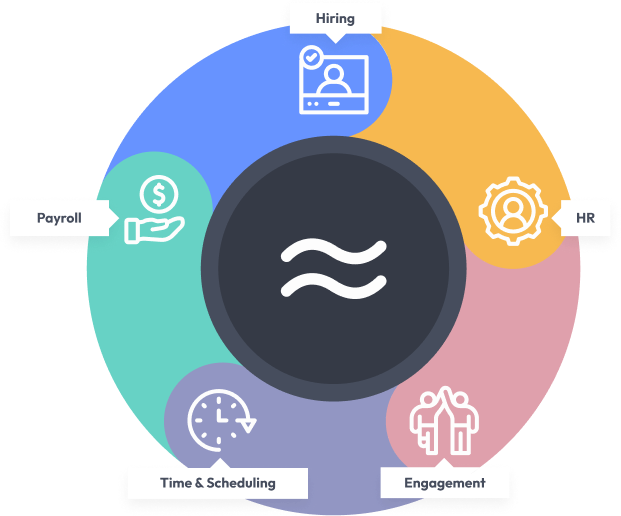

Hiring
Hire better quality workers, faster

HR
Streamline people processes and ensure employee records are always accurate

Engagement
Reduce turnover and increase worker engagement

Time & Scheduling
Manage schedules and hours worked to optimize your labor costs

Payroll
Pay your team quickly, easily, and accurately
resources
Become a hiring and onboarding expert.

Be smart with your hourly workforce
