



How to Hire Security Guards: Step-by-Step Guide for Recruiting Reliable Security Staff
Learn how to hire security guards effectively with our step-by-step guide, including tips on recruitment, screening, interviewing, and onboarding for your restaurant's safety and success.

How to Hire Security Guards: A Practical Guide for Small Businesses
Let’s face it—when you’re running a restaurant, retail shop, or franchise, the last thing you want is to worry about safety. But with today’s unpredictable world, knowing how to hire security guards isn’t just a nice-to-have—it’s essential. Whether you’re looking to hire security personnel for a late-night diner, recruit security staff for a bustling shopping center, or just want some peace of mind at your local franchise, this guide is for you. Grab a coffee, and let’s get into the nitty-gritty of security officer recruitment—with a few detours into what really matters for your business and your people.
Why Hiring Security Guards Matters More Than Ever
Safety, Trust, and That All-Important First Impression
Ever walked into a business and immediately felt safe? That’s not by accident. The presence of well-trained security guards can be the difference between a customer feeling welcome or wanting to turn right back around. High turnover and safety issues can spook both staff and guests. Honestly, in the age of viral videos and instant reviews, one bad incident can haunt your reputation for years.
Reducing Risk and Lowering Costs
Here’s the thing: security guard recruitment isn’t just about preventing theft or troublemakers. It’s about protecting your bottom line. Lawsuits, insurance claims, and even just the cost of replacing stolen goods can add up fast. Did you know that employee retention is closely tied to workplace safety? When your team feels protected, they’re more likely to stick around. That’s less money spent on recruiting and training new hires.
Step-by-Step: How to Hire Security Guards That Fit Your Business
1. Define Your Needs—Don’t Just Wing It
Before you post a job ad, ask yourself: What do I really need? Are you looking to hire security personnel for overnight shifts, or do you need someone to cover busy lunch hours? Maybe you need both. Start by writing a clear job description. For tips, check out how to craft an effective employee handbook and job posting examples that attract quality candidates.
2. Sourcing and Recruiting Security Staff
Now, where do you find great candidates? You could try the old-fashioned way—word of mouth, local ads—but honestly, using digital tools saves time and headaches. Platforms like Workstream let you automate postings across multiple job boards, screen applicants, and even text candidates directly. If you’re looking for more creative ideas, these recruitment ad examples might spark some inspiration.
- Digital recruiting strategies can expand your reach
- Benchmark your recruitment marketing to see what works
- Proactively find candidates using modern sourcing tools
3. Screening and Interviewing: Don’t Rush the Process
Screening is where the rubber meets the road. Background checks are a must—no exceptions. But don’t stop there. Use pre-employment assessments to evaluate skills and temperament. When interviewing, ask about real-world scenarios: “How would you handle a disruptive customer?” or “What’s your protocol for emergencies?” For more on interview techniques, check out motivational interviewing and cultural fit questions that dig deeper than yes/no answers.
4. Compliance and Legal Details—Don’t Skip the Fine Print
Here’s a quick reality check: failing to follow labor laws can cost you big time. Make sure your recordkeeping is airtight by following Department of Labor guidelines. And if you’re not sure about background check requirements or training, consult a reputable employment law resource. For onboarding, digital solutions like Workstream’s onboarding templates can help you stay organized and compliant.
What Makes a Great Security Guard? (And How to Spot One)
Look for More Than Just a Uniform
Anyone can wear a badge, but not everyone has what it takes to keep your team and customers safe. The best security guards are calm under pressure, observant, and personable. If you ask me, soft skills matter just as much as physical presence. For a deeper dive, these five traits are a good starting point.
Training and Retention: Invest in Your People
Once you’ve found the right folks, don’t just throw them into the deep end. Ongoing training is key. According to effective training techniques, regular refreshers reduce turnover and boost morale. And let’s be real—retaining good people is always cheaper than constantly hiring new ones. For more on keeping employees happy and engaged, check out what makes restaurant employees happy and engagement strategies for hourly workers.
Common Pitfalls and How to Avoid Them
Don’t Cut Corners on Background Checks
It’s tempting to rush the process when you’re short-staffed, but skipping background checks is a recipe for disaster. Not only does it put your business at risk, but it can also create trust issues with your team. For more on the real cost of turnover, see turnover costs in restaurants and how to fix high turnover rates.
Underestimating the Importance of Culture Fit
Security guards are often the first and last people your customers see. If they don’t mesh with your company culture, it shows. That’s why it’s smart to use creative job postings and interview questions that reflect your brand’s vibe. For inspiration, see what makes a great general manager—many of the same qualities apply to security staff.
Subtle Tech Upgrades: Why Modern Tools Make a Difference
Automate to Save Time (and Sanity)
If you’re still juggling paper applications and phone tag, it’s time for a change. Platforms like Workstream let you automate everything from hiring automation to onboarding and scheduling. That means less time on admin, more time building relationships with your team—and your customers. Plus, you’ll reduce errors and stay compliant.
Keeping Your Team Engaged and Informed
Communication is everything. Use digital tools to send out shift reminders, policy updates, and even quick check-ins. For more on boosting engagement, see how benefits impact recruitment and retention and employee retention strategies.
Conclusion: Building a Safer, Stronger Business—One Guard at a Time
Hiring security guards isn’t just about ticking a box—it’s about creating an environment where your team and customers feel safe, valued, and welcome. Take the time to recruit security staff who fit your needs, invest in their training, and use modern tools to make the process smoother. You’ll save money, reduce stress, and maybe even sleep a little better at night. If you’re curious how technology can make all this easier, reach out to Workstream—we’re always happy to help.
Related Resources from Workstream
- Learn more about hiring automation for hourly roles
- Explore onboarding templates for new hires
- Discover employee scheduling tips for better coverage
- Check out creative job posting tips to stand out
- Find out how to reduce turnover in your business
.svg)


All your important HR tasks under one roof
Today’s business owners and HR teams are overwhelmed with administrative tasks: manual processes and exports, duplicative data entry, and siloed information. Workstream centralizes and simplifies people tasks so you can move fast, reduce labor costs, and simplify operations—all in one place.
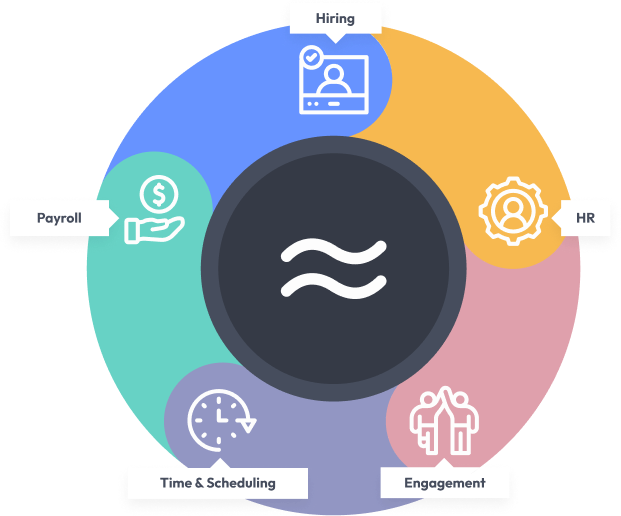

Hiring
Hire better quality workers, faster

HR
Streamline people processes and ensure employee records are always accurate

Engagement
Reduce turnover and increase worker engagement

Time & Scheduling
Manage schedules and hours worked to optimize your labor costs

Payroll
Pay your team quickly, easily, and accurately
resources
Become a hiring and onboarding expert.



Be smart with your hourly workforce
