



How to Hire Massage Therapists: Step-by-Step Strategies for Recruiting Top Spa Talent
Learn how to hire massage therapists with our expert tips on recruiting, interviewing, and onboarding the best talent for your business or spa.

How to Hire Massage Therapists: A Practical Guide for Spa Owners
If you ask me, finding the right massage therapists can feel a bit like searching for a needle in a haystack—except the haystack is made of resumes and the needle needs a license. Whether you’re running a bustling day spa, a boutique wellness center, or a chain of massage clinics, the stakes are high. The right hire can elevate your brand and keep clients coming back. The wrong one? Well, let’s just say you might be spending more time on parting ways than pampering guests. Let’s break down the process, peppered with a few real-world tips, industry insights, and a dash of empathy for the folks doing it all (because, honestly, you deserve it).
Understanding the Landscape: Why Hiring Massage Therapists Is Unique
Before you post your job ad, it’s worth pausing to consider what makes massage spa recruitment different from hiring for other roles. For one, you’re not just looking for technical skill—you want folks who can connect, listen, and build trust with clients. And let’s not forget compliance: licensing, insurance, and sometimes even background checks are non-negotiable. According to the cost of employee turnover in hospitality, losing a front-line worker can cost thousands. That’s not chump change for a small business.
But here’s the thing: the right process can cut your turnover in half and help you hire a massage therapist who sticks around. Platforms like Workstream are built for hourly businesses, streamlining everything from posting to onboarding. And if you’re still using spreadsheets for scheduling, well, you might want to check out a 24-hour schedule template to keep things running smoothly.
What Makes a Great Massage Therapist?
- Proper certification and licensing (don’t skip the paperwork!)
- Strong communication and empathy
- Physical stamina and attention to detail
- Alignment with your spa’s culture and values
For more on what to look for, see these traits of committed employees.
Recruiting Massage Staff: Where to Look and How to Stand Out
Let’s be real: posting on the same old job boards might not cut it anymore. To recruit massage staff who are truly invested, you need to meet them where they are—sometimes that’s Instagram, sometimes it’s a local massage school, and sometimes it’s a referral from your best therapist. If you’re struggling to get applicants, you’re not alone. The hospitality industry as a whole is facing a major talent crunch.
Modern Sourcing Strategies
- Indeed for Employers and other online platforms
- Social media recruiting—yes, even TikTok and Instagram! See Instagram job posting tips
- Partnering with local massage therapy schools
- Employee referral programs (sometimes your best hires come from your current team)
And don’t forget about crafting a compelling job post. Highlighting benefits, flexibility, and growth opportunities can make all the difference. For inspiration, check out these best job posting examples and creative tips for job postings.
What Candidates Want
According to the Impact of Benefits on Recruitment & Retention report, competitive pay, benefits, and flexible scheduling are top priorities. If you can offer instant pay access or creative perks, you’ll stand out. Here’s a look at how instant pay access is changing the game for hourly workers.
The Interview and Selection Process: Screening for Skill and Fit
Alright, so you’ve got a stack of promising resumes. Now what? The interview process is your chance to separate the “good on paper” from the “great in practice.” But don’t just wing it—structure matters. Use a mix of behavioral questions, skills assessments, and practical demos. And if you’re feeling stuck, check out these motivational interviewing techniques or cultural fit interview questions for inspiration.
Key Steps in the Interview Process
- Initial phone screen (save time, weed out the obvious mismatches)
- In-person or video interview—focus on soft skills and customer service attitude
- Skills demonstration (can they deliver a great massage under real-world conditions?)
- Reference and background checks (especially important for client-facing roles)
For a full breakdown of what to ask, explore the STAR method guide and tips for calling out benefits in your job descriptions.
Onboarding and Retention: Setting New Hires Up for Success
Let me tell you, onboarding isn’t just paperwork—it’s your first real chance to show new hires what your business is all about. A smooth, digital onboarding process can cut onboarding time from hours to minutes. Platforms like Workstream make it easy to send documents, reminders, and even training videos straight to your team’s phones. For more ideas, check out these onboarding templates.
Retention Tips for Spa Owners
- Offer ongoing training and professional development
- Recognize and reward top performers—sometimes a simple “thank you” goes a long way
- Foster a positive, inclusive workplace culture
- Use technology to keep communication clear and schedules flexible
For more on keeping your team happy, see what makes employees happy and how celebrating milestones can boost morale.
Compliance, Legal Details, and Avoiding Common Pitfalls
Here’s where things get a little less warm and fuzzy, but no less important. Every state has its own rules for massage spa recruitment—from licensing requirements to wage and hour laws. Make sure you’re up to speed by checking the Department of Labor’s recordkeeping guidelines and your state’s massage therapy board. And don’t forget about workplace safety and anti-discrimination laws. If you’re not sure, consult a legal pro. (Disclaimer: This article is for informational purposes only and does not constitute legal advice.)
For more on compliance and how technology can help, see how Workstream’s platform handles digital document storage and compliance tracking.
Conclusion: Building a Strong Team, One Hire at a Time
Hiring massage therapists isn’t just about filling a spot—it’s about building a team that reflects your brand, delights your clients, and sticks around for the long haul. With the right mix of technology, empathy, and a little bit of hustle, you can find spa employees who truly make a difference. And if you’re ready to make your hiring process smoother, faster, and a whole lot less stressful, check out Workstream’s hiring tools for massage therapists.
Need more resources? Here are a few to keep you moving forward:
.svg)


All your important HR tasks under one roof
Today’s business owners and HR teams are overwhelmed with administrative tasks: manual processes and exports, duplicative data entry, and siloed information. Workstream centralizes and simplifies people tasks so you can move fast, reduce labor costs, and simplify operations—all in one place.
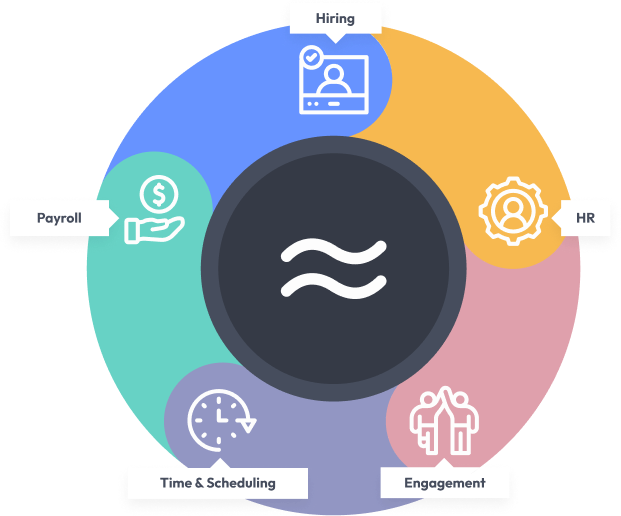

Hiring
Hire better quality workers, faster

HR
Streamline people processes and ensure employee records are always accurate

Engagement
Reduce turnover and increase worker engagement

Time & Scheduling
Manage schedules and hours worked to optimize your labor costs

Payroll
Pay your team quickly, easily, and accurately
resources
Become a hiring and onboarding expert.



Be smart with your hourly workforce
