



How to Hire Waitresses: Proven Steps to Attract, Recruit, and Retain Top Restaurant Talent
Learn how to hire waitresses efficiently with our step-by-step guide. Discover best practices, interview tips, and essential skills to build a top-notch restaurant team.

How to Hire Waitresses: A Practical Guide for Restaurant Owners
Hiring the right waitresses can feel like searching for a needle in a haystack—especially when you’re juggling a million other things, like inventory, payroll, and that one fryer that keeps acting up. But let’s be real: your waitstaff are the heartbeat of your restaurant. They’re the face your customers see, the voice they hear, and the folks who keep your dining room humming. So, how do you hire waitresses who’ll stick around, deliver great service, and fit your team like a glove? Let’s break it down—no jargon, just real talk and actionable steps.
Understanding the Importance of Great Waitstaff
Why Waitresses Matter More Than You Think
Ever had a meal ruined by a grumpy server? Or, on the flip side, had a mediocre dish saved by a waitress who just gets it? If you ask me, employee turnover in restaurants isn’t just a headache—it’s a profit killer. According to industry research, losing a single front-line employee can cost you nearly $6,000. That’s not pocket change, especially for small businesses.
But here’s the kicker: happy, engaged waitresses don’t just stick around—they boost sales, improve customer reviews, and make your life easier. The secret sauce? A mix of smart onboarding, clear expectations, and a dash of empathy. And yes, sometimes a free meal doesn’t hurt either.
Common Pitfalls When Hiring Restaurant Staff
- Rushing the process and hiring anyone with a pulse
- Ignoring cultural fit and team dynamics
- Forgetting to check references or past experience
- Not offering competitive pay or benefits (which, by the way, is a huge factor in recruitment and retention)
Honestly, skipping these steps is like forgetting to preheat the oven—things just won’t turn out right.
Step-by-Step: How to Recruit Waitresses Who Shine
Crafting the Perfect Job Posting
Your job ad isn’t just a list of duties—it’s your first handshake with potential hires. Be clear, be honest, and don’t be afraid to show some personality. For inspiration, check out these job posting examples that attract quality hourly workers. Highlight what makes your place unique, whether it’s flexible scheduling, growth opportunities, or killer staff meals.
And remember, benefits matter. According to DoorDash’s report, offering perks—even small ones—can help you recruit waitresses who are in it for the long haul.
Where to Find Waitstaff
- Leverage social media—posting on platforms like Instagram can boost your reach. Here’s how to use Instagram to hire hourly staff.
- Use specialized hiring platforms such as Workstream to automate and streamline your process.
- Don’t underestimate referrals—current employees often know great candidates.
- Tap into local community boards or job fairs for a more personal touch.
Screening and Interviewing: Look Beyond the Resume
Sure, experience is important, but attitude and adaptability are gold. Ask questions that reveal how candidates handle stress, multitask, and interact with customers. For a deeper dive, these motivational interviewing techniques can help you spot real talent.
And don’t forget about cultural fit. A waitress who gels with your team is worth her weight in tips.
Onboarding: Set Them Up for Success
Let’s be honest—no one likes to be thrown into the deep end without a life vest. A strong onboarding process, like these onboarding templates, can reduce turnover and help new hires hit the ground running. And yes, digital onboarding tools (think mobile checklists and automated reminders) make life easier for everyone.
Retention: Keeping Your Best Waitresses Happy
Why Retention Matters
High turnover isn’t just a hassle—it’s expensive. According to Modern Restaurant Management, the cost of losing and replacing a single waitress can really add up, especially when you factor in lost productivity and training time. So, what keeps waitresses around?
- Fair pay and tips—see how top chains pay their hourly workers
- Flexible scheduling—tools like 24-hour schedule templates can be a game-changer
- Clear communication and feedback
- Opportunities for growth and recognition
It’s a bit like tending a garden: invest a little time and attention, and you’ll reap the rewards in loyalty and performance.
Benefits and Perks: More Than Just a Paycheck
Today’s waitresses want more than just a paycheck. According to Harvard Business Review, young hourly workers crave meaningful work, advancement opportunities, and a sense of belonging. Even small perks—like shift meals or flexible hours—can make a big difference. For more on benefits, check out how Starbucks uses benefits to engage and retain staff.
Legal and Compliance Considerations
Staying on the Right Side of the Law
Let’s not sugarcoat it—labor laws are a minefield. From wage and hour rules to anti-discrimination laws, there’s a lot to keep track of. The U.S. Department of Labor has a handy guide on what records you need to keep for each employee. And don’t forget about part-time hours and benefits eligibility.
Pro tip: digital HR platforms like Workstream can help you stay organized and compliant, reducing the risk of costly lawsuits or fines. If you’re still doing paperwork by hand, maybe it’s time to consider an upgrade. Just saying.
Practical Tips and Final Thoughts
Quick Tips for a Smoother Hiring Process
- Be transparent about pay, tips, and expectations
- Offer trial shifts to see candidates in action
- Use technology to automate repetitive tasks—saving you time and headaches
- Listen to your team’s feedback on new hires
And if you’re feeling overwhelmed, remember: you’re not alone. Many successful restaurants use restaurant hiring software to streamline the process and cut turnover in half. That’s not just marketing fluff—it’s a real, measurable impact.
Conclusion: Building a Strong Waitstaff Team
Hiring waitresses isn’t rocket science, but it does take a thoughtful approach. Focus on finding people who fit your culture, set them up for success, and invest in their growth. With the right tools and a little bit of heart, you’ll build a team that keeps customers coming back—and keeps your business thriving.
Curious how other restaurants are winning the hiring game? Check out these resources for more inspiration:
.svg)


All your important HR tasks under one roof
Today’s business owners and HR teams are overwhelmed with administrative tasks: manual processes and exports, duplicative data entry, and siloed information. Workstream centralizes and simplifies people tasks so you can move fast, reduce labor costs, and simplify operations—all in one place.
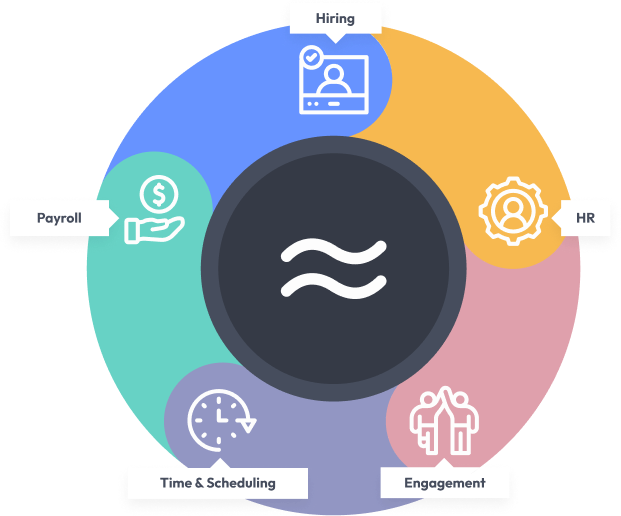

Hiring
Hire better quality workers, faster

HR
Streamline people processes and ensure employee records are always accurate

Engagement
Reduce turnover and increase worker engagement

Time & Scheduling
Manage schedules and hours worked to optimize your labor costs

Payroll
Pay your team quickly, easily, and accurately
resources
Become a hiring and onboarding expert.


Be smart with your hourly workforce
