



How to Hire Beauty Advisors: Streamline Beauty Advisor Recruitment for Your Business
Discover how to hire beauty advisors efficiently with Workstream’s mobile-first platform—streamlining beauty advisor recruitment, salon staff hiring, and spa employee onboarding for your business.

How to Hire Beauty Advisors: A Practical Guide for Salon and Spa Owners
If you’ve ever wondered why some salons seem to have a magic touch with clients, it often comes down to the people on the front lines—your beauty advisors. The process to hire beauty advisors isn’t rocket science, but it does take more than a pretty resume and a firm handshake. Let’s talk about what really matters in beauty advisor recruitment, the pitfalls to avoid, and how you can build a team that keeps your clients coming back, rain or shine.
What Makes a Great Beauty Advisor, Anyway?
Before you post that job ad or start scrolling through applications, pause for a second. What are you actually looking for? Sure, technical skills matter, but in the world of salon staff hiring, soft skills can be the real game changer.
- Empathy and Communication: Can they listen as well as they talk? The best beauty advisors make clients feel heard and understood.
- Sales Savvy: It’s not just about upselling; it’s about matching products to needs. A great advisor knows the difference.
- Adaptability: Trends shift fast. Your team needs to keep up—think TikTok hair hacks and seasonal skincare crazes.
- Team Spirit: No one wants drama by the shampoo bowl. Collaboration is non-negotiable if you want a happy crew.
Honestly, if you ask me, attitude trumps experience nine times out of ten. As this Harvard Business Review article highlights, hiring for attitude and training for skill can slash turnover rates dramatically.
Beauty Advisor Recruitment: Where Do You Find the Right People?
Old School Meets New School
Word of mouth still works wonders—stylists talk, and referrals are gold. But let’s not kid ourselves: today’s beauty consultant hiring game is digital. Social media platforms like Instagram aren’t just for before-and-after shots; they’re also powerful recruitment tools. If you haven’t tried it yet, check out these tips on hiring hourly workers on Instagram.
- Free job posting sites can help you reach a wider pool without breaking the bank.
- Don’t underestimate Craigslist for job postings; plenty of local talent still checks there.
- If you want to get creative, take inspiration from these fun recruitment ads.
The Power of Benefits and Culture
You might think salary is king, but perks and culture can tip the scales. According to DoorDash’s research on benefits and retention, offering flexible schedules or instant pay access (see how some employers are doing it here) can help you stand out in a crowded field.
And don’t forget about your employee handbook—a clear set of expectations keeps everyone on the same page. Here are some tips for writing an effective handbook.
The Interview: Beyond “Tell Me About Yourself”
Ask What Matters
If you’re tired of canned answers, switch up your questions. For example, try these cultural fit interview questions to see if candidates will mesh with your team. And if nerves get in the way, motivational interviewing techniques (like those found here) can help draw out authentic responses.
- Don’t forget to clarify expectations around scheduling—last-minute callouts are a salon owner’s nightmare. Use a schedule template to show how shifts work.
- Ask about handling difficult clients; real-world scenarios reveal more than hypothetical fluff.
- If you want to go deeper, consider pre-employment assessments like those described in this assessment platform demo.
The Legal Stuff: Compliance Isn’t Optional
I know, paperwork is nobody’s favorite topic. But compliance matters—a lot. The Department of Labor has strict requirements about recordkeeping (see details here). And if you’re hiring part-timers, make sure you understand the rules on hours and benefits—this guide on part-time employee hours breaks it down nicely.
Disclaimer: This article is for informational purposes only and does not constitute legal advice. Always consult with a qualified professional regarding compliance in your state or municipality.
Spa Employee Recruitment: Retention Is Half the Battle
You’ve made the hire. Now what? Keeping your new beauty advisor happy is just as important as finding them in the first place. High turnover hurts—not just your bottom line but your reputation too. According to this study on the real cost of employee turnover, losing a single front-line worker can cost thousands in lost productivity and retraining.
- Onboarding matters—a lot. Streamline your process with these onboarding templates.
- Use technology to automate repetitive tasks so managers can focus on people, not paperwork. Platforms like Workstream’s hiring automation suite can cut time-to-hire in half and reduce turnover dramatically.
- Keep communication lines open; regular check-ins and feedback sessions help nip problems in the bud (see more on engagement strategies in this survey of restaurant employees).
- Offer growth opportunities—even small incentives or training sessions can boost morale and loyalty (read why happiness matters here).
The Role of Technology in Beauty Industry Hiring
If you’re still relying solely on spreadsheets or sticky notes, it’s time for an upgrade. Modern HR platforms like Workstream offer mobile-first solutions that handle everything from job postings to digital onboarding—saving time, reducing errors, and keeping everyone connected. Plus, features like automated interview scheduling and text-based workflows mean you’ll spend less time chasing candidates and more time building relationships (which is what really counts in this business).
Troubleshooting Common Pitfalls in Beauty Advisor Hiring
No one gets it right every time. But some mistakes are avoidable:
- Poor Job Descriptions: Vague listings attract vague applicants. Get specific—these job posting examples will help.
- Lack of Training: Even seasoned pros need orientation. Use these training tips for smoother onboarding.
- Ignoring Culture Fit: Skills can be taught; values are harder to change. Prioritize alignment with your salon’s vibe.
- Slow Response Times: In this industry, good candidates don’t wait around. Automated systems like Workstream can help you move fast—and keep top talent engaged throughout the process (see the stats here).
The Bottom Line: Building a Team That Shines
If there’s one thing I’ve learned after years covering small business hiring, it’s that people remember how you make them feel. When you take care with your beauty advisor recruitment—investing in smart hiring tools, clear communication, and genuine support—you’re not just filling a seat. You’re building trust with every client who walks through your door.
If you’re ready to make your next hire count, consider leveraging modern solutions like Workstream’s all-in-one HR platform. It’s designed for hourly businesses like yours—so you can spend less time on admin headaches and more time creating memorable experiences for your customers (and your team).
Want More Tips?
.svg)


All your important HR tasks under one roof
Today’s business owners and HR teams are overwhelmed with administrative tasks: manual processes and exports, duplicative data entry, and siloed information. Workstream centralizes and simplifies people tasks so you can move fast, reduce labor costs, and simplify operations—all in one place.
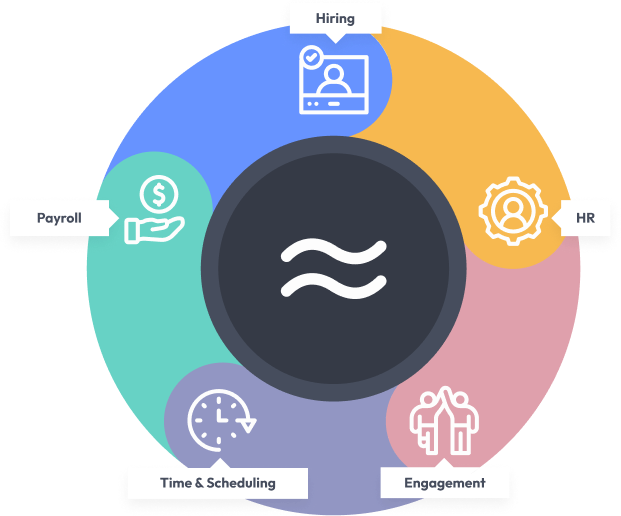

Hiring
Hire better quality workers, faster

HR
Streamline people processes and ensure employee records are always accurate

Engagement
Reduce turnover and increase worker engagement

Time & Scheduling
Manage schedules and hours worked to optimize your labor costs

Payroll
Pay your team quickly, easily, and accurately
resources
Become a hiring and onboarding expert.

Be smart with your hourly workforce
