



How to Hire Dock Workers: Streamline Your Dock Worker Recruitment and Onboarding Process
Streamline how you hire dock workers with Workstream’s all-in-one platform—automate recruitment, onboarding, and scheduling to build a reliable warehouse team faster. Learn more at workstream.us.

How to Hire Dock Workers: A Practical Guide for Small Businesses
Dock workers are the backbone of warehouse operations, logistics hubs, and many small businesses that rely on efficient shipping and receiving. If you’re looking to hire dock workers—whether you run a bustling port-side warehouse or a small distribution center in the Midwest—getting the right people on board can make or break your operation. But let’s be honest: finding, recruiting, and keeping quality dock workers isn’t as simple as posting a job ad and hoping for the best. There’s a lot more to it, and if you ask me, a little know-how goes a long way.
Understanding the Role: What Makes a Great Dock Worker?
Before you even start the hiring process, it’s important to know what you’re looking for. Dock workers handle everything from unloading trucks to managing inventory and ensuring shipments go out on time. They need to be reliable, safety-conscious, and able to handle the physical demands of the job. But there’s more—soft skills like teamwork, attention to detail, and a positive attitude can make a world of difference.
For a deeper dive into what makes a top-notch warehouse or dock worker, check out these traits of committed employees. And if you’re unsure how to write a job description that attracts the right talent, this guide to employee handbooks is surprisingly useful for warehouse roles too.
Key Qualities to Look For
- Physical stamina and strength
- Attention to safety protocols
- Teamwork and communication skills
- Reliability and punctuality
- Problem-solving ability
Honestly, overlooking soft skills is a common pitfall. If you want to avoid high turnover, focus on both the physical and interpersonal requirements.
Recruiting Dock Workers: Where and How to Find the Right Talent
So, how do you recruit dock workers who’ll stick around? The answer is a mix of old-school tactics and modern tech. Word-of-mouth and referrals still matter—especially in tight-knit communities—but digital platforms have changed the game. Posting on job boards, using social media, and leveraging text-based applications can speed up the process and widen your candidate pool.
For inspiration, take a look at these job posting examples and creative tips for job postings. If you’re considering using Instagram or Craigslist, you’re not alone—many warehouse managers are finding success by meeting candidates where they already spend their time. This Instagram hiring guide and Craigslist posting tips can help you get started.
Modern Recruiting Channels
- Online job boards (Monster, Indeed, etc.)
- Indeed for hourly workers
- Free job posting sites
- Highlighting benefits in job ads
- Employee referral programs
And don’t forget, the right hiring automation tools can cut your time-to-hire in half, saving you headaches and money. That’s not just a sales pitch—it’s a real game-changer, especially in a competitive labor market.
Screening, Onboarding, and Compliance: Getting It Right from Day One
Once you’ve got a stack of applications, the real work begins. Screening for warehouse labor isn’t just about checking boxes. You want to assess both skills and cultural fit. Using pre-employment assessments can help you objectively evaluate candidates’ abilities. And don’t underestimate the power of a structured interview—these STAR method interview tips and culture fit questions are a must-have in your toolkit.
Once you’ve made your picks, onboarding is your next hurdle. A smooth onboarding process not only reduces confusion but also helps new hires feel like part of the team from day one. If you’re not sure where to start, these onboarding templates and onboarding best practices can help you build a process that works.
Staying Compliant
- Keep accurate wage and hour records
- Ensure all safety training is documented
- Follow local and federal labor laws
- Use digital tools to reduce paperwork and errors
Here’s the thing: compliance isn’t optional. Slip up, and you could be looking at $25K or more in fines and legal fees. That’s the kind of mistake that keeps business owners up at night. Platforms like Workstream help automate compliance and recordkeeping, so you can focus on running your business, not chasing paperwork.
Retention and Engagement: Keeping Your Dock Workers Happy (and Productive)
Let’s be real—hiring is only half the battle. Retaining your dock workers is where the rubber meets the road. High turnover is a huge drain on resources, not to mention morale. According to industry research, turnover rates in warehouse and logistics roles can be sky-high, often due to poor communication, lack of recognition, or inflexible scheduling.
So, what can you do? Start by offering competitive pay and clear growth paths. This report on benefits and retention shows that even small perks—like flexible scheduling or instant pay access—can make a big difference. If you’re curious, see how companies are using instant pay technology to boost engagement.
Communication is another biggie. Tools that allow for quick team-wide announcements and reminders can cut down on no-shows and confusion. For more on this, check out these communication solutions for frontline workers.
Retention Strategies That Work
- Offer clear advancement opportunities (see what workers want)
- Provide regular feedback and recognition (motivation tips)
- Use scheduling software to give workers more control (see how Gap does it)
- Invest in training and development (training techniques)
And if you want to see how some of the best in the business keep turnover low, this case study on fast-food retention is a must-read. Spoiler: it’s not just about the money.
Conclusion: Setting Your Dock Worker Recruitment Up for Success
Hiring dock workers isn’t just about filling a spot on the floor—it’s about building a team that keeps your business moving, day in and day out. From crafting the right job post to onboarding, compliance, and retention, every step matters. And while there’s no magic bullet, using the right mix of technology, practical know-how, and a little empathy can make all the difference.
If you’re ready to streamline your dock worker recruitment and take your warehouse labor strategy to the next level, consider exploring Workstream’s all-in-one HR and payroll platform. It’s designed for hourly businesses just like yours—helping you cut labor costs, save time, and keep your team connected. After all, isn’t it time your hiring process worked as hard as you do?
Further Reading from Workstream
.svg)


All your important HR tasks under one roof
Today’s business owners and HR teams are overwhelmed with administrative tasks: manual processes and exports, duplicative data entry, and siloed information. Workstream centralizes and simplifies people tasks so you can move fast, reduce labor costs, and simplify operations—all in one place.
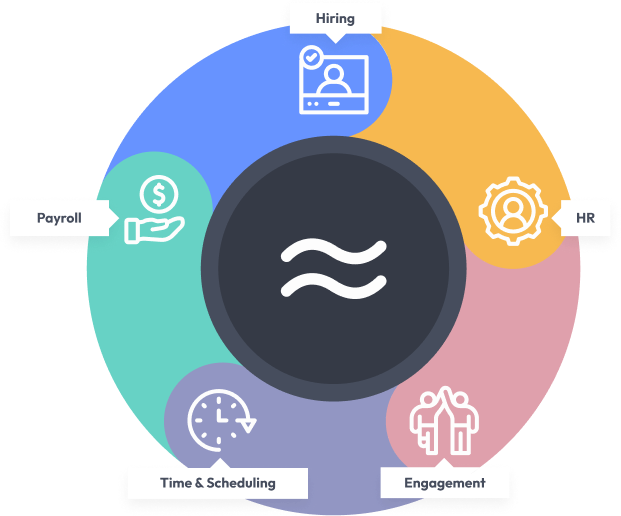

Hiring
Hire better quality workers, faster

HR
Streamline people processes and ensure employee records are always accurate

Engagement
Reduce turnover and increase worker engagement

Time & Scheduling
Manage schedules and hours worked to optimize your labor costs

Payroll
Pay your team quickly, easily, and accurately
resources
Become a hiring and onboarding expert.


Be smart with your hourly workforce
