



How to Hire Carpet Cleaning Technicians: Streamline Your Process and Build a Stronger Team
Streamline how you hire carpet cleaning technicians with Workstream’s mobile-first platform—automate recruiting, onboarding, and scheduling to build a reliable cleaning team faster.

How to Hire Carpet Cleaning Technicians: A Practical, No-Nonsense Guide
Let’s be real: if you’re running a carpet cleaning business, you know the difference between a sparkling review and a bad Yelp rant often comes down to the people scrubbing those rugs. Hiring carpet cleaning technicians isn’t just about finding someone who can push a wand—it’s about building a team that cares as much about your customers’ homes as you do about your business. But how do you find, recruit, and keep the right folks? Let me walk you through it—no fluff, just practical advice and a few stories from the trenches.
First Things First: What Makes a Great Carpet Cleaning Technician?
Before you even post that job ad, take a minute and think: What does my ideal technician look like? Not literally (though, sure, uniforms help), but in terms of skills, attitude, and work ethic. Are you after someone with years of experience or someone who’s eager to learn and shows up on time—rain or shine?
- Technical know-how: Can they handle the machines, spot stains, and troubleshoot on the fly? If not, do you have a plan for training them? For tips on effective employee training, check out these proven techniques.
- People skills: Your staff will be in customers’ homes. Trustworthiness and friendliness are non-negotiable.
- Physical stamina: Let’s face it—this job can be tough on the back and knees. Make sure your job description is crystal clear about physical requirements. For more on crafting job descriptions, see this resource.
- Reliability: No-shows cost you money and reputation. The right hiring process can help weed out flakes before they ever get a uniform.
If you’re struggling to find candidates who check all these boxes, don’t sweat it—many successful owners focus on attitude first and train for skill. That’s how some of the best teams in hospitality and cleaning are built (here’s a story from fast food that proves it).
The Real Cost of Hiring (and Losing) Cleaning Technicians
Here’s the thing: every time you lose a technician, you’re not just losing their labor—you’re losing training dollars, customer trust, and sometimes even clients. According to data on employee turnover costs, replacing an hourly worker can cost thousands in lost productivity and onboarding. That’s why it pays (literally) to get hiring right from the start.
- Turnover hurts your bottom line. High turnover is rampant in service industries—especially for hourly roles. Learn more about its impact at this breakdown.
- Retention starts with recruitment. Recruit carpet cleaners who fit your culture and they’ll stick around longer. For insights on retention strategies, see these expert tips.
- Benefits matter—even for hourly staff. Offering perks like instant pay access or flexible schedules can make your job stand out (see how benefits impact recruitment).
If you ask me, investing in smart hiring tools pays off fast. For example, platforms like Workstream’s hiring automation can cut your time-to-hire in half and help reduce turnover by up to 50%. That’s not just marketing talk—there are real savings in avoiding constant rehiring headaches.
The Step-by-Step Process to Hire Carpet Cleaning Technicians
Write a Job Description That Actually Works
Your job ad is your first handshake with potential hires. Don’t just copy-paste generic text—call out what makes your business unique, whether it’s family-owned warmth or cutting-edge equipment. Want templates that attract quality hourly workers? Check out these job posting examples.
- Be specific: List duties clearly (e.g., “Operate truck-mounted cleaning systems,” “Lift up to 50 lbs”).
- Mention pay and perks: Transparency attracts better applicants (see why salary matters in job ads).
- Highlight growth opportunities: Even hourly workers want to know there’s room to move up (here’s how top companies do it).
Sourcing: Where Do You Find Great Rug Cleaning Technicians?
If you’re still relying on word-of-mouth or Craigslist alone, you’re missing out. Today’s best candidates are everywhere—from Facebook groups to specialized job boards. For modern recruiting strategies, see these digital recruiting tips. And if you want to reach candidates where they already hang out, platforms like Instagram job posting for hourly workers are surprisingly effective.
- Referrals: Your current team knows who would fit in. Incentivize referrals with small bonuses or recognition (see how bonuses motivate employees).
- Online job boards: Post on sites that attract service pros. Here are the best free job posting sites.
- Social media: Local Facebook groups or community pages often yield surprisingly good leads.
Screening & Interviewing: Don’t Skip the Human Touch
I’ve seen too many owners rush this part—don’t! Screening is where you weed out the no-shows and the “just need a paycheck” crowd. Use structured interviews with scenario-based questions (think: “What would you do if a customer complains about a missed stain?”). For interview inspiration, try these motivational interviewing techniques.
- Background checks: Especially important since technicians enter private homes.
- Skill assessments: Even a simple test can reveal technical aptitude (see how pre-employment assessments work).
- Cultural fit: Ask questions that reveal values and attitude—sometimes more important than experience (cultural fit interview questions here).
The Fast Lane: Automating the Hiring Process
If you’re tired of chasing paperwork or playing phone tag with applicants, automation is your new best friend. Workstream’s platform lets you automate everything from applicant screening to interview scheduling (learn more about hiring automation here). That means less time shuffling resumes—and more time growing your business.
Avoiding Common Pitfalls When You Hire Cleaning Technicians
I’ll be honest—everyone makes mistakes when hiring carpet cleaning staff. Maybe you bring on someone with all the right answers but none of the hustle. Or maybe you skip onboarding because “they’ll figure it out.” Here are some classic traps (and how to sidestep them):
- Poor onboarding: Tossing new hires into the field without proper training is a recipe for callbacks and complaints. Explore onboarding templates at this guide.
- Lack of clear expectations: Spell out standards early—don’t assume everyone knows what “clean” means to your brand.
- No feedback loop: Regular check-ins catch problems before they snowball (see ways to improve teamwork and productivity).
- Poor scheduling systems: Overlapping shifts or last-minute changes frustrate everyone. Modern scheduling tools can save hours per week per location (see how Gap improved scheduling for hourly staff).
A final word on compliance: always stay up-to-date with wage laws and recordkeeping requirements. For a quick refresher on legal basics, visit the U.S. Department of Labor’s page on wage recordkeeping. When in doubt? Consult an employment attorney—better safe than sorry!
The Secret Sauce: Building a Team That Stays (and Thrives)
You’ve recruited, screened, and onboarded—now what? Keeping great rug cleaning technicians is about more than paychecks. It’s about culture, communication, and showing genuine appreciation. If you want your crew to stick around (and bring their friends), consider these ideas:
- Create growth paths: Even small businesses can offer cross-training or leadership opportunities (learn why onboarding matters for retention).
- Acknowledge wins: Celebrate milestones—big or small—to keep morale high (ideas for celebrating work anniversaries here).
- Cultivate company culture: A positive environment reduces turnover and boosts performance (company culture secrets here).
- Listen actively: Sometimes all it takes is asking “How’s it going?”—and meaning it.
If you’re curious about what makes teams tick—or how to improve engagement—check out this research on job satisfaction and turnover intention. It’s eye-opening stuff.
The Bottom Line: Smart Hiring Pays Off (And Makes Life Easier)
If you want to hire carpet cleaning technicians who stick around, deliver quality work, and make your customers rave, don’t leave hiring to chance—or gut feel alone. Use clear job ads, modern recruiting channels, structured interviews, and streamlined onboarding. Automate what you can (your future self will thank you). And above all? Treat your staff like partners in your business—not just bodies filling slots.
If you want to learn more about how hiring automation can transform your process—and maybe even help you replace seven different HR tools with one—explore Workstream’s platform here. You’ll find resources for every stage of the employee journey—from recruiting carpet cleaners to onboarding rug cleaning technicians and beyond.
If You Want to Dig Deeper…
.svg)


All your important HR tasks under one roof
Today’s business owners and HR teams are overwhelmed with administrative tasks: manual processes and exports, duplicative data entry, and siloed information. Workstream centralizes and simplifies people tasks so you can move fast, reduce labor costs, and simplify operations—all in one place.
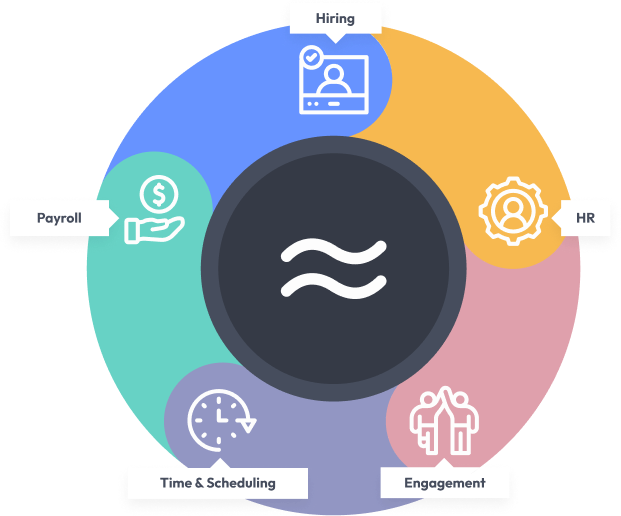

Hiring
Hire better quality workers, faster

HR
Streamline people processes and ensure employee records are always accurate

Engagement
Reduce turnover and increase worker engagement

Time & Scheduling
Manage schedules and hours worked to optimize your labor costs

Payroll
Pay your team quickly, easily, and accurately
resources
Become a hiring and onboarding expert.



Be smart with your hourly workforce
