



How to Hire Patient Representatives: Expert Steps to Build a Strong Front Desk Team
Learn how to hire patient representatives efficiently with our step-by-step guide—find top talent, streamline your hiring process, and build a reliable team for your healthcare facility.

How to Hire Patient Representatives: Your Guide to Building a Stellar Front Desk Team
Let’s be honest—when you hire patient representatives, you’re not just filling a seat at the front desk. You’re shaping the first impression your patients get, the voice on the phone, and the calm in the waiting room storm. If you ask me, that’s a pretty big deal. But how do you find patient service staff who can juggle appointments, insurance questions, and the occasional grumpy visitor with a smile? Let’s break it down, with a few digressions and practical tips along the way.
Why Patient Representatives Matter (And Why Turnover Hurts)
Before you start your search, it’s worth understanding why turnover in front-line roles is so costly. High churn rates mean lost productivity, unhappy patients, and a constant cycle of training. According to industry research, replacing a single employee can cost thousands—money that could be better spent improving your practice or rewarding your team. And let’s not forget the impact on morale when your best people keep heading for the exit.
So, how do you find patient service staff who’ll stick around? It starts with understanding what makes these roles unique—and what candidates are really looking for.
Defining the Role: More Than a Smile and a Clipboard
Key Qualities to Look For
- Empathy: Patients are often anxious or stressed. A warm, understanding approach goes a long way. Check out traits of committed employees for more on this.
- Attention to Detail: Scheduling, insurance verification, and medical records all demand accuracy. Even a small error can snowball.
- Communication Skills: Clear, friendly communication is essential—both in person and over the phone.
- Adaptability: Every day is different. Can your candidate handle curveballs?
Writing a clear, honest job description is your first step. For tips, see these employee handbook best practices and job posting examples that attract quality hourly workers.
Legal and Compliance Considerations
Don’t forget the paperwork! The Department of Labor requires you to keep accurate records for every employee, including hours worked and wages earned. And if you’re offering benefits, make sure you’re up to speed on eligibility—see part-time hours and benefits eligibility for more details. (Disclaimer: Always consult your legal counsel for compliance specifics. This isn’t legal advice!)
Recruiting and Hiring: Where to Find—and How to Win—Top Talent
Modern Sourcing Tactics
Gone are the days of “Help Wanted” signs in the window. Today, successful patient service representative recruitment means meeting candidates where they are—often online. Platforms like Indeed and Instagram can help you reach a wider pool, while proactive sourcing strategies ensure you’re not waiting for the perfect resume to land in your inbox.
It’s also smart to highlight perks and flexibility. According to a DoorDash report, benefits play a huge role in attracting and keeping top talent—even in hourly roles. Don’t be shy about calling out what makes your workplace special. For more on this, check out tips for calling out benefits in job descriptions.
Screening and Interviewing: Cut Through the Noise
With so many applicants, how do you spot the gems? Automated screening tools like Workstream’s hiring automation can help you filter candidates quickly—saving hours every week. When it’s time to interview, focus on real-world scenarios: “Tell me about a time you handled a frustrated patient” reveals more than a canned answer ever could. For more, see motivational interviewing techniques and cultural fit questions.
And don’t forget background checks and reference calls. It’s tempting to skip these steps when you’re short-staffed, but trust me, a little diligence now saves headaches later.
Onboarding and Retention: Setting Up for Success
Onboarding Done Right
First impressions matter—for your new hire, too. A smooth, welcoming onboarding process can cut ramp-up time from hours to minutes. Digital onboarding solutions like these templates and Workstream’s mobile-first platform help new team members hit the ground running. And if you’re curious about how the best in the business do it, check out onboarding best practices.
Keeping Your Best People
Retention isn’t just about pay—though competitive wages help, as shown in this comparison of hourly wages. Engagement, recognition, and a sense of purpose matter just as much. For example, engaging young hourly workers can reduce costly turnover, while celebrating milestones boosts morale and loyalty.
Don’t underestimate the power of a supportive culture. According to research on job satisfaction, a positive environment is directly linked to lower turnover. And if you’re dealing with high churn, this deep dive into turnover causes is worth a read.
Workstream: A Subtle Game-Changer for Patient Service Teams
Here’s the thing: juggling scheduling, hiring, onboarding, and compliance by hand is a recipe for burnout—yours and your staff’s. That’s where Workstream’s platform quietly shines. By automating repetitive tasks and keeping everything in one place, you save time, reduce errors, and create a better experience for everyone. And with features like employee scheduling templates and instant pay access, you’ll keep your team happy and your patients even happier.
Conclusion: Building a Patient-Focused Front Desk, One Hire at a Time
Hiring the right patient representatives isn’t just about filling a vacancy—it’s about building trust, efficiency, and a welcoming environment for everyone who walks through your door. By focusing on clear job descriptions, modern recruiting tactics, thoughtful onboarding, and ongoing engagement, you’ll set your practice up for long-term success. And if you’re ready to make your life a little easier, platforms like Workstream are here to help—without the fuss.
Related Workstream Resources
- Learn more about hiring automation for hourly roles
- Discover onboarding templates for a seamless start
- Explore tips for highlighting benefits in your job postings
- Compare hourly wage data to stay competitive
- Check out Workstream’s story and platform
.svg)


All your important HR tasks under one roof
Today’s business owners and HR teams are overwhelmed with administrative tasks: manual processes and exports, duplicative data entry, and siloed information. Workstream centralizes and simplifies people tasks so you can move fast, reduce labor costs, and simplify operations—all in one place.
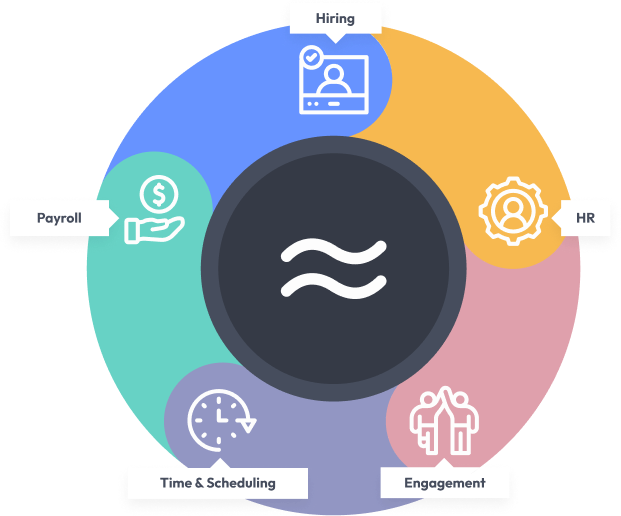

Hiring
Hire better quality workers, faster

HR
Streamline people processes and ensure employee records are always accurate

Engagement
Reduce turnover and increase worker engagement

Time & Scheduling
Manage schedules and hours worked to optimize your labor costs

Payroll
Pay your team quickly, easily, and accurately
resources
Become a hiring and onboarding expert.



Be smart with your hourly workforce
