



How to Hire Auto Glass Technicians: A Complete Guide for Small Business Owners
Discover proven steps to hire auto glass technicians, attract top talent, and streamline hiring with Workstream’s all-in-one HR platform.

How to Hire Auto Glass Technicians: A Practical Guide for Small Business Owners
If you’re running an auto shop, a body shop, or a mobile repair business, figuring out how to hire auto glass technicians can feel like searching for the last piece of a windshield puzzle. The right people keep your customers safe and your reputation spotless. But let’s be real—finding and keeping skilled techs is no Sunday drive. Let me explain what works, what doesn’t, and why it matters so much for your bottom line.
Why Quality Matters When You Hire Auto Glass Technicians
Auto glass work is more than just swapping out a cracked windshield. A great technician knows how to handle safety systems, adhesives, and customer nerves—sometimes all at once. If you ask me, it’s as much about trust as it is about technical skill.
- Improper installation can lead to safety risks and costly rework.
- Technicians are often the face of your business—especially with mobile jobs.
- Turnover in this field is high, and the cost of replacing employees adds up fast.
Historic Challenges in Recruiting Auto Glass Installers
The auto glass industry has always had a tough time recruiting. Skilled labor shortages, rising demand for ADAS (Advanced Driver Assistance Systems) calibration, and an aging workforce all play a part. According to industry data from the American Staffing Association, hourly hiring is more competitive than ever.
The Blueprint: Steps to Recruit Auto Glass Installers That Stick Around
Let’s break down the process into manageable steps. Honestly, skipping any of these is like forgetting to wear gloves when handling broken glass—you’ll regret it later.
1. Write Job Descriptions That Actually Attract Talent
The job post is your first impression. Don’t just list duties—highlight what makes your shop different. Mention pay transparency, benefits, flexibility, and growth opportunities. For inspiration, check out these job posting examples for hourly workers.
- Call out perks like tool allowances or paid training—these matter more than you think (see DoorDash’s research on benefits).
- Be clear about physical requirements and hours—no one likes surprises here.
- Mention any unique tech or tools you use (mobile apps, scheduling software, etc.).
2. Source Candidates Where They’re Looking
To find windshield repair technicians, you need to go where they are—think beyond the usual job boards. Consider:
- Social media recruiting strategies, especially Instagram and Facebook groups.
- Craigslist job posting tips for local reach.
- Employee referrals—your current team probably knows someone looking for work.
- Proactive sourcing techniques to uncover passive candidates.
3. Screen for Skills and Culture Fit
Hiring isn’t just about who can replace a windshield fastest. You want people who show up on time, communicate well, and respect safety protocols. Use structured interviews and consider skills assessments (like eSkill’s pre-employment tests) for technical know-how. For culture fit, try these cultural fit interview questions.
If you’re short on time (and who isn’t?), tools like Workstream’s hiring automation platform can help you screen applicants faster and schedule interviews automatically—saving hours each week.
4. Onboard Like You Mean It
The first few days set the tone for retention. Digital onboarding platforms (like Workstream’s mobile onboarding solution) let new hires complete paperwork on their phone—even before day one. This isn’t just convenient; it also helps with compliance and reduces errors (see this Department of Labor guide on recordkeeping).
- Use checklists to ensure every step is covered (download onboarding templates here).
- Assign mentors for hands-on training—learning from a seasoned pro beats any manual.
- Set clear expectations around quality and safety from day one.
Pitfalls to Avoid When You Hire Glass Repair Specialists
I’ve seen even the best shops stumble by ignoring a few key details:
- Poor scheduling flexibility: Hourly techs value control over their shifts (flexible scheduling boosts retention).
- Lack of benefits: Even small perks make a difference in retention (DoorDash’s report on benefits impact).
- No path for advancement: If there’s no growth, expect turnover (Harvard Business Review on engagement).
- Inefficient communication: Missed messages lead to missed shifts and unhappy customers (see Axonify’s guide on frontline communication).
If you’re struggling with any of these, consider using an integrated HR platform that handles scheduling, messaging, and payroll—Workstream’s platform overview explains how it works.
The Compliance Angle: Don’t Get Burned by the Details
No one wants to get dinged by regulators or face a lawsuit over wage-and-hour mistakes. Make sure you:
- Track hours and overtime accurately (federal recordkeeping requirements here).
- Follow state licensing rules for auto glass installers (varies widely—always check local laws!).
- Document safety training and certifications for every hire.
- Store employee records securely and digitally (platform security tips here).
Disclaimer: This article provides general information only and does not constitute legal advice. Always consult a qualified attorney or HR professional for your specific situation.
The Human Side: Keeping Your Automotive Glass Experts Happy (and Employed)
You can recruit auto glass installers all day long, but if you don’t treat them right, they’ll be gone before you finish your morning coffee. What keeps them loyal?
- Fair pay: Stay competitive by checking out what other shops pay (compare hourly wages here).
- Recognition: Celebrate milestones—work anniversaries matter (see how to mark work anniversaries meaningfully).
- Growth opportunities: Offer training or certification reimbursement—people want to feel like they’re moving forward (tips on employee handbooks and growth paths).
- Mental health support: Flexible schedules and open communication help prevent burnout (read more about mental health in hourly workforces).
If you’re curious about how top chains keep turnover low, take a look at this case study on low turnover rates in fast food. The lessons apply across industries—including auto glass!
The Workstream Difference: Streamlining How You Hire Automotive Glass Experts
If all this sounds overwhelming, you’re not alone. Many shop owners juggle hiring with everything else—customer calls, inventory headaches, payroll chaos. That’s where an all-in-one platform like Workstream’s HR suite comes in handy:
- Automated screening: Save up to three hours per week per location on candidate review.
- Interview scheduling: Cut down on no-shows by up to 55% with automated reminders.
- Onboarding workflows: Reduce paperwork time from hours to minutes (get onboarding templates here).
- Integrated payroll: Fewer errors, faster paydays—happy techs stick around longer (learn about instant pay access options here).
- Simplified compliance: Digital document storage keeps you ready for any audit.
The right technology doesn’t just save time—it helps you build a team that’s reliable, motivated, and ready to grow with your business.
The Road Ahead: Building a Stronger Team, One Technician at a Time
The journey to hire auto glass technicians who truly fit your shop isn’t always smooth—but it’s worth every effort. By focusing on smart recruiting, transparent onboarding, fair treatment, and modern tools like Workstream, you’ll not only fill open roles but also create a workplace where people want to stay for the long haul.
If you’re ready to make hiring less of a headache and more of a competitive advantage, start by reviewing your current process—and don’t be afraid to bring in new tech or fresh ideas. After all, every safe windshield starts with the right hands behind the tools.
.svg)


All your important HR tasks under one roof
Today’s business owners and HR teams are overwhelmed with administrative tasks: manual processes and exports, duplicative data entry, and siloed information. Workstream centralizes and simplifies people tasks so you can move fast, reduce labor costs, and simplify operations—all in one place.
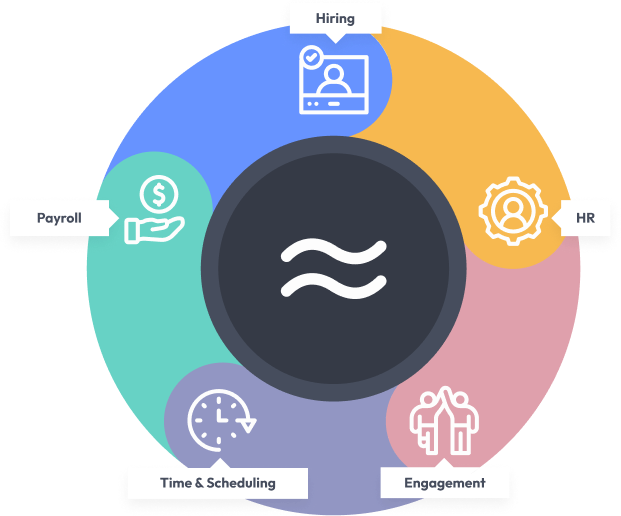

Hiring
Hire better quality workers, faster

HR
Streamline people processes and ensure employee records are always accurate

Engagement
Reduce turnover and increase worker engagement

Time & Scheduling
Manage schedules and hours worked to optimize your labor costs

Payroll
Pay your team quickly, easily, and accurately
resources
Become a hiring and onboarding expert.


Be smart with your hourly workforce
