



How to Hire Kitchen Porters: Expert Tips for Restaurants to Build a Reliable Team
Discover effective strategies to hire kitchen porters, streamline your recruitment process, and build a reliable back-of-house team for your restaurant’s success.

How to Hire Kitchen Porters: A Real-World Guide for Restaurants
Let’s be honest—if you run a restaurant, you know that kitchen porters are the unsung heroes behind every smooth service. But the question remains: how do you hire kitchen porters who actually stick around, work hard, and fit in with your team? If you ask me, it’s a blend of practical strategy, empathy, and a little bit of luck. Let’s break down what works, what doesn’t, and how you can turn your next kitchen porter hire into a long-term asset for your business.
Why Kitchen Porters Matter More Than You Think
Before we get into the nitty-gritty of how to hire kitchen porters, let’s pause for a second. Why do these roles matter so much? If you’ve ever had a dishwasher call out on a Friday night, you already know the answer. Kitchen porters keep the wheels turning—literally. They handle everything from washing pots to keeping the kitchen safe and tidy, making them essential to any restaurant kitchen staff team.
But here’s the kicker: turnover in these roles is sky-high. According to industry research, losing a single front-line employee can cost you thousands. So, recruiting right the first time isn’t just about filling a spot—it’s about protecting your bottom line.
The Real Cost of High Turnover
- Employee turnover can eat into profits fast—think lost productivity, training costs, and overtime for your remaining team.
- High churn can also impact morale, making it even tougher to keep your kitchen staff happy and engaged.
Step One: Define the Kitchen Porter Job Clearly
Let’s start with the basics. If your kitchen porter job description is vague or outdated, you’re going to attract the wrong candidates—or none at all. Spell out the duties, expectations, and any physical requirements. Don’t sugarcoat the tough parts, but do highlight growth opportunities and perks. Many successful restaurants even call out benefits up front, since benefits can be a game-changer in recruitment.
- Be clear about shift times, pay rates, and advancement paths.
- Highlight any unique perks—free meals, flexible schedules, or team events.
- Use inclusive language to attract a wider pool of applicants.
If you’re not sure where to start, check out these job posting examples for inspiration. And don’t forget: a well-crafted job post isn’t just a legal requirement—it’s your first impression.
Recruit Kitchen Porters: Where and How?
Now for the million-dollar question: where do you actually recruit kitchen porters who fit your culture? Spoiler alert: the answer isn’t always “post on Indeed and hope for the best.”
Modern Sourcing Strategies
- Leverage hourly job boards and platforms built for restaurants—these attract candidates who know the industry.
- Don’t underestimate the power of social media recruiting. Instagram and Facebook are where many kitchen staff hang out these days.
- Referrals from current employees can be gold—people tend to recommend folks who’ll fit in.
- Consider using hiring automation tools to streamline the process and save hours each week.
And here’s something I’ve seen firsthand: restaurants that use digital workflows, like Workstream’s platform, cut their time-to-hire in half and reduce turnover by as much as 50%. That’s not just a marketing line—it’s a real competitive edge when you’re fighting for talent.
Interviewing: Look Beyond the Resume
Let’s get real—most kitchen porter resumes look pretty similar. What sets candidates apart is attitude, reliability, and willingness to learn. During interviews, ask practical questions and maybe even set up a short trial shift. For more on this, check out these motivational interviewing techniques and cultural fit interview questions that actually reveal who’s likely to stick around.
Onboarding Kitchen Porters: Set Them Up for Success
Here’s the thing—recruiting is just the beginning. If your onboarding process is a mess, even the best kitchen porter will be out the door before you know it. Research shows that strong onboarding leads to higher retention and better performance.
- Start with a clear, simple orientation—cover safety, expectations, and kitchen culture.
- Pair new hires with a “buddy” for their first week. It’s a small gesture that makes a big impact.
- Use digital checklists and reminders to keep everyone on track—onboarding templates can help here.
And don’t forget to check compliance boxes—accurate records, wage info, and safety training are all must-haves. For the nitty-gritty, the Department of Labor’s wage recordkeeping guide is a handy resource.
Retaining Your Kitchen Porters: The Secret Sauce
So you’ve managed to hire kitchen porters—now, how do you keep them? Let’s be honest, this is where most restaurants stumble. The secret? Engagement and respect. Turns out, feeling valued is just as important as pay.
What Keeps Kitchen Staff Around?
- Offer a clear path to advancement—many porters want to move up to line cook or prep roles.
- Recognize hard work, even if it’s just a quick “thank you” at the end of a shift.
- Provide regular, honest feedback. Don’t wait for annual reviews—check in often.
- Consider flexible scheduling, especially for parents or students. Work-life balance is a huge factor in retention these days.
- Make sure your benefits are competitive—even small perks make a difference.
For more on why people leave and what you can do about it, check out this deep dive into turnover causes and the real cost of turnover in hospitality.
And if you want to see how technology can help, see how Gap gave employees more control over their schedules—it’s a game-changer for engagement.
Common Pitfalls and How to Dodge Them
Even with the best intentions, hiring for kitchen porter roles can go sideways. Here are a few classic mistakes—and how to avoid them:
- Hiring in a rush and skipping reference checks. Slow down, even when you’re desperate.
- Ignoring onboarding—don’t just throw new hires into the deep end.
- Assuming pay is all that matters. Respect, flexibility, and growth count too.
- Not updating your job descriptions or postings—outdated info turns off good candidates.
And if you’re still struggling, it might be time to rethink your process. Platforms like Workstream can help you automate the boring stuff so you can focus on building a great team culture instead.
Conclusion: Build a Stronger Kitchen Team—One Porter at a Time
At the end of the day, learning how to hire kitchen porters is about more than just filling a gap on the schedule. It’s about building a team that can handle the heat—literally and figuratively. Define your needs, recruit smart, onboard with care, and invest in retention. It takes effort, but the payoff is huge: less turnover, smoother shifts, and a happier team.
Curious how technology can make this all easier? Workstream’s platform is designed for hourly businesses just like yours—helping you hire faster, keep great people, and save money. If you want to see how others are doing it, check out these restaurant hiring tips and ways to highlight benefits in your job posts.
Further Reading on Workstream
- Learn how restaurant hiring is evolving with tech
- Explore onboarding templates for a smoother start
- See job posting examples that attract top talent
- Discover how to call out benefits in job descriptions
- Compare hiring automation solutions for your kitchen staff
.svg)


All your important HR tasks under one roof
Today’s business owners and HR teams are overwhelmed with administrative tasks: manual processes and exports, duplicative data entry, and siloed information. Workstream centralizes and simplifies people tasks so you can move fast, reduce labor costs, and simplify operations—all in one place.
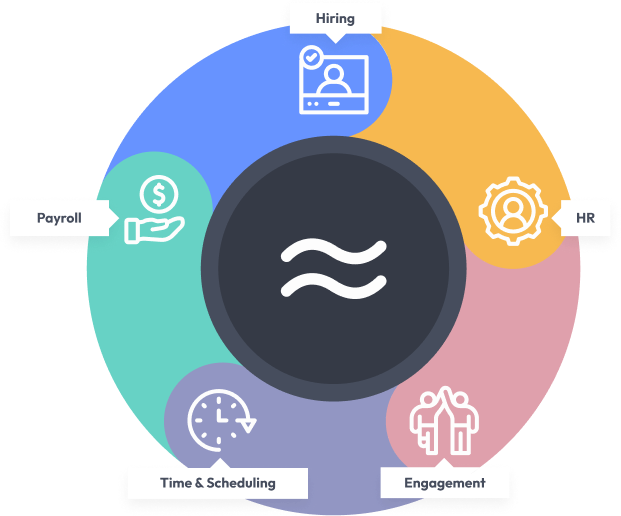

Hiring
Hire better quality workers, faster

HR
Streamline people processes and ensure employee records are always accurate

Engagement
Reduce turnover and increase worker engagement

Time & Scheduling
Manage schedules and hours worked to optimize your labor costs

Payroll
Pay your team quickly, easily, and accurately
resources
Become a hiring and onboarding expert.


Be smart with your hourly workforce
