



How to Hire Call Center Reps: Streamline Your Process and Build a Stronger Team
Streamline how you hire call center reps with Workstream’s mobile-first platform—automate recruiting, onboarding, and scheduling to quickly find and employ top customer service agents.

How to Hire Call Center Reps: A Practical Guide for Business Owners
If you’ve ever tried to hire call center reps, you know it’s not just about posting a job and hoping for the best. Between high turnover, shifting customer expectations, and the need for quick onboarding, finding the right people can feel like threading a needle while riding a rollercoaster. But here’s the thing: with the right approach—and a little help from modern tools—you can build a team that keeps customers happy and your business humming.
Understanding the Realities of Call Center Hiring
Let’s be real: call centers are the front lines of customer experience. Whether you run a franchise, a restaurant chain, or a retail operation, your call center reps shape how customers see your brand. That’s why finding customer service representatives who thrive under pressure is crucial. But what makes this process so challenging?
- Turnover is sky-high. According to Modern Restaurant Management, turnover in customer-facing roles can cost thousands per lost employee.
- Competition is fierce. It’s a struggle to recruit call center staff, especially as remote work expands the talent pool (and the competition).
- Pay compression and wage pressures. Research from Robert Half shows that 56% of U.S. companies have faced pay compression in the last year, making it harder to stand out with salary alone.
If you ask me, these hurdles make it even more important to get strategic about how you recruit call center staff. Let’s break down how to do it—without losing your mind or your budget.
The Anatomy of an Effective Call Center Rep Job Posting
Clarity Is King: Write Job Descriptions That Attract the Right People
You might think flashy perks or quirky job titles will bring in the best candidates. Honestly? Most applicants just want to know what they’ll be doing and if they’ll be treated fairly. According to JAN’s Job Description Topics, clear, ADA-compliant descriptions help avoid misunderstandings and legal headaches down the road.
- Highlight essential duties—don’t bury the lede.
- Mention any required certifications or language skills.
- Be upfront about shift schedules and expectations—no one likes surprises on day one.
For inspiration, check out these best job posting examples tailored for hourly and customer service roles. And if you’re hiring for part-time positions, brush up on part-time hours rules to keep things compliant.
Salary Transparency and Benefits: Make Your Offer Stand Out
It’s no secret—most job seekers look at pay first. SHRM notes in their article on salary as the most important part of job ads that including salary ranges can give you a competitive edge. But don’t stop there:
- Call out unique benefits like instant pay access (instant pay access guide) or flexible scheduling (how Gap uses tech for scheduling).
- Mention growth opportunities—people want to see a future with your company.
- If you offer bonuses or wellness perks, say so! The Robert Half survey found that year-end bonuses are still a big motivator.
Sourcing and Screening: How to Recruit Call Center Staff Efficiently
Modern Sourcing: Go Where Your Candidates Are
If you’re still relying only on old-school job boards, you’re missing out. Today’s top candidates are on social media, texting with friends, or scrolling through Instagram between shifts. Platforms like Workstream make it easy to reach candidates where they are—on their phones. For more on social recruiting, see these tips for using Instagram to hire hourly workers.
- Text-based applications: Mobile-first workflows speed up applications and reduce drop-off rates.
- Automated screening: Tools like Workstream’s hiring automation use smart screening questions and AI to filter out unqualified applicants—saving managers hours every week.
- Diversity sourcing: Don’t forget to reach out to underrepresented groups; diversity boosts team performance (traits of committed employees).
If you’re looking for even more ways to expand your reach, Monster.com’s guide on digital recruiting strategies offers practical ideas for growing your candidate pool.
The Interview Process: Balancing Speed and Substance
The best candidates don’t wait around. According to research from Appcast’s Recruitment Marketing Benchmark Report, faster response times lead to higher acceptance rates. But speed shouldn’t mean sacrificing quality:
- Use structured interviews. Guides like the STAR Method Guide help you assess real-world problem-solving skills.
- Cultural fit matters. Try these cultural fit interview questions to gauge alignment with your company values.
- Automate reminders and scheduling. Automated tools can reduce interview no-shows by over 50%—saving time and frustration (Workstream hiring automation).
Onboarding and Retention: Setting Up New Hires for Success
Smooth Onboarding: The Secret Sauce for Retaining Call Center Staff
You’ve managed to employ a stellar call center representative—now what? The onboarding experience can make or break their decision to stick around. As Forbes points out on onboarding best practices, a structured process reduces confusion and boosts engagement from day one.
- Go digital where possible. Digital document completion cuts down paperwork and errors (onboarding templates).
- Automate compliance reminders. Never miss a required form or training again—Workstream’s platform can help ensure nothing falls through the cracks (about Workstream onboarding).
- Create a buddy system or mentorship program. This simple step increases retention rates significantly (Modern Restaurant Management survey on employee happiness).
The Long Game: Keeping Your Team Engaged and Motivated
No one wants their call center to be a revolving door. High turnover isn’t just expensive—it drains morale and slows down service. According to a study in Academic Commons on job satisfaction and turnover intention, organizational culture plays a huge role in whether employees stay or go. So how do you keep your team happy?
- Recognize achievements regularly.
- Offer opportunities for advancement—even small ones matter.
- Create open lines of communication with leadership.
- Use technology to reduce repetitive tasks and let reps focus on meaningful work (Workstream hourly workers platform).
If you want more tips on boosting engagement, check out these strategies for improving employee engagement.
Pitfalls to Avoid When You Hire Customer Service Agents
The Usual Suspects: Common Mistakes That Cost Time and Money
I’ve seen it all—rushed hiring decisions, poor onboarding, unclear expectations. These missteps can lead to costly turnover, compliance headaches, or worse. Here are some traps to watch out for:
- Poor recordkeeping: The Department of Labor has strict requirements (DOL recordkeeping guidelines). Sloppy records can result in fines or lawsuits.
- Ineffective training: Skimping on training leads to frustrated reps and unhappy customers. BLR shares proven methods in their guide on effective training techniques.
- Lack of flexibility: Today’s workforce expects some control over their schedules. Learn from companies like Gap who use tech to empower employees (how Gap improved scheduling flexibility).
- No plan for advancement: If reps don’t see a path forward, they’ll look elsewhere (SHRM on robust retention strategies).
Avoiding these pitfalls doesn’t have to be complicated. With the right systems—and maybe a little help from platforms like Workstream—you can keep your operation running smoothly without breaking a sweat (or the bank).
The Bottom Line: Hire Call Center Reps Who Will Stick Around
If you’re serious about building a high-performing call center team, remember: it’s not just about filling seats. It’s about finding people who care, giving them the tools they need, and creating an environment where they want to stay. Technology can lighten the load, but empathy and clear communication will always be at the heart of great hiring.
If you’re ready to take your hiring process up a notch—or just want to see how automation can save you time and money—explore more about Workstream’s hiring automation suite. And if you’re looking for more resources on hourly workforce management, check out these guides:
- Restaurant hiring tips for busy owners
- Creative ways to make your job postings stand out
- HRIS certification insights for managers
- Best free job posting sites for hourly workers
- Traits of committed employees every manager should know
Please note: This article is intended as general guidance only. For legal advice regarding employment law or compliance in your state, consult with a qualified attorney or HR professional.
.svg)


All your important HR tasks under one roof
Today’s business owners and HR teams are overwhelmed with administrative tasks: manual processes and exports, duplicative data entry, and siloed information. Workstream centralizes and simplifies people tasks so you can move fast, reduce labor costs, and simplify operations—all in one place.
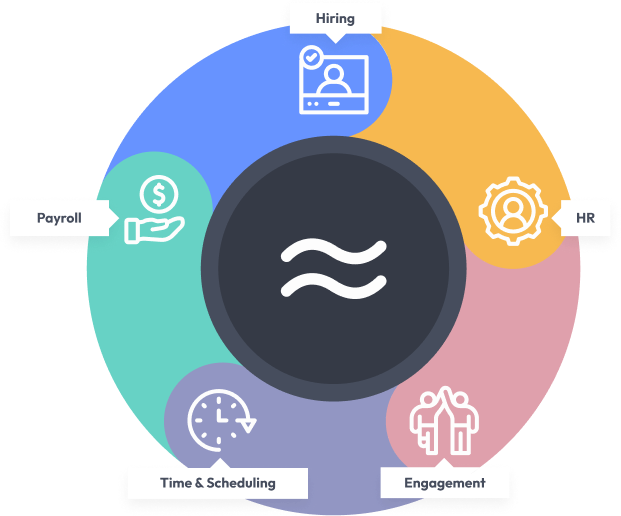

Hiring
Hire better quality workers, faster

HR
Streamline people processes and ensure employee records are always accurate

Engagement
Reduce turnover and increase worker engagement

Time & Scheduling
Manage schedules and hours worked to optimize your labor costs

Payroll
Pay your team quickly, easily, and accurately
resources
Become a hiring and onboarding expert.



Be smart with your hourly workforce
