



How to Hire Care Providers: Streamline Care Provider Recruitment for Your Home Care Business
Streamline how you hire care providers with Workstream’s all-in-one platform—making it easier to recruit home health aides, and simplify care provider recruitment for home care staffing.

How to Hire Care Providers: A Practical Guide for Small Business Owners
If you run a home care agency, senior living facility, or any business that depends on hourly staff, you know that to hire care providers is more than just filling a spot—it’s about building trust, reliability, and compassion into your team. But with turnover rates soaring and the labor market tighter than a drum, finding caregivers who stick around can feel like searching for a needle in a haystack. Let’s break down what really matters when you’re looking to find caregivers, recruit home health aides, and build a sustainable approach to care provider recruitment.
Why Hiring Care Providers Is Different (and Why It Matters)
Let’s be honest: hiring for care roles isn’t like hiring for retail or fast food. The stakes are higher—people’s well-being is on the line. And yet, the challenges are familiar: high turnover, burnout, and the constant pressure to do more with less. According to Modern Restaurant Management, the real cost of employee turnover can be staggering, especially for small businesses. For care providers, the impact runs even deeper: relationships matter, and continuity is king.
The Human Touch: What Makes a Great Care Provider?
- Empathy: Not just a buzzword—genuine empathy is essential for anyone providing care.
- Reliability: Your clients need to know they can count on your team, rain or shine.
- Adaptability: Every day brings new challenges, from schedule changes to unique client needs.
It’s no surprise that committed employees are harder to find each year. But if you ask me, it’s worth sweating the details during recruitment to get it right from the start.
Step-by-Step: How to Find and Recruit Caregivers Who Stay
Let me explain: it’s not just about posting a job ad and hoping for the best. To truly succeed at home care staffing, you need a process that attracts, screens, and retains top talent—without bogging you down in paperwork or endless interviews.
1. Write Job Descriptions That Speak Their Language
If your job post reads like a legal document, you’re missing out. Instead, highlight what makes your workplace special—flexibility, growth opportunities, or even daily pay access (yes, that’s a thing now). For inspiration, check out these job posting examples designed for hourly workers.
- Be clear about expectations and benefits—don’t bury the good stuff.
- Mention perks like instant pay access; many candidates value this flexibility (learn how employers are using instant pay).
- Call out opportunities for advancement and training—people want to see a future with you.
2. Source Candidates Where They Actually Look
Here’s the thing: your next great caregiver might not be scouring the big job boards. Social media, local community groups, and even platforms like Instagram can be goldmines (tips on hiring via Instagram). Don’t overlook word-of-mouth; referrals remain one of the most reliable sources for quality hires (see how fast food chains keep turnover low).
3. Streamline Screening and Interviewing
No one wants to wait weeks for a callback. Automated screening tools can help you identify top candidates faster (learn about hiring automation). Use structured interview questions to assess cultural fit and soft skills—these matter as much as certifications in care roles (cultural fit interview questions). And don’t forget to check credentials—especially in healthcare settings where compliance is non-negotiable (why certification matters).
4. Onboard Like You Mean It
The first days set the tone. A rushed or confusing onboarding process can send new hires running for the hills. Digital onboarding tools—like those offered by Workstream—cut paperwork and keep everyone on track (onboarding templates for success). For more on why onboarding matters, check out Forbes' advice on getting onboarding right.
5. Retain Through Engagement and Support
If you think hiring is hard, try replacing a great caregiver after they burn out. Regular check-ins, flexible schedules, and recognition go a long way (celebrating milestones boosts morale). Consider how technology can empower your team—giving them control over their schedules or quick access to pay. The data backs this up: Fortune reports that flexibility and support are key to keeping hourly workers happy.
The Compliance Angle: Avoiding Legal Landmines
I’ll level with you—nothing derails growth faster than a compliance misstep. Wage-and-hour laws, background checks, recordkeeping… it’s enough to make your head spin. The Department of Labor outlines essential recordkeeping requirements for every employer (DOL wage recordkeeping guide). If you’re managing multiple locations or dozens of caregivers, automation isn’t just nice—it’s necessary (Workstream’s platform overview).
Disclaimer: This article does not constitute legal advice. Always consult with an employment attorney or HR specialist regarding compliance in your state.
Tackling Turnover: Why It Hurts and How to Fix It
The numbers don’t lie: high turnover in care roles drains profits and morale (employee turnover cost breakdown). In assisted living alone, turnover rates can exceed 50% annually (factors for high turnover in assisted living). Solutions? Focus on engagement, flexible scheduling, and competitive pay (Robert Half research on pay compression and bonuses). Even small changes—a thank-you note, an extra day off—can make a world of difference.
The Tech Advantage: Automate Without Losing Your Soul
If you’re still juggling spreadsheets or sticky notes to manage shifts, it’s time for an upgrade. Modern HR platforms like Workstream were built for hourly businesses like yours—they automate scheduling, streamline communication, and help you recruit home health aides at scale without losing that personal touch.
- Automated scheduling: No more last-minute scrambles or accidental double-bookings (24-hour schedule template tips).
- Mobile-first onboarding: New hires complete paperwork on their phones—no more chasing signatures.
- Integrated payroll: Reduce errors and keep everyone paid on time (practical payroll tips for restaurants (and beyond)).
- Compliance tools: Stay ahead of audits and avoid costly mistakes.
If you’re curious how these tools work in practice, see how a Dunkin’ franchisee improved hiring and retention with Workstream’s platform (customer story here).
Conclusion: Building a Resilient Care Team—One Hire at a Time
The journey to hire care providers isn’t easy—but it’s absolutely worth it. With smart processes, the right technology, and a focus on people over paperwork, you can find caregivers who stick around and make a real impact. Remember: every great team starts with one thoughtful hire—and sometimes that means rethinking how you recruit home health aides or approach home care staffing altogether.
If you’re ready to rethink your process—or just want to see what’s possible—explore more about Workstream’s all-in-one HR platform for hourly businesses. And if you’re looking for deeper dives into related topics:
.svg)


All your important HR tasks under one roof
Today’s business owners and HR teams are overwhelmed with administrative tasks: manual processes and exports, duplicative data entry, and siloed information. Workstream centralizes and simplifies people tasks so you can move fast, reduce labor costs, and simplify operations—all in one place.
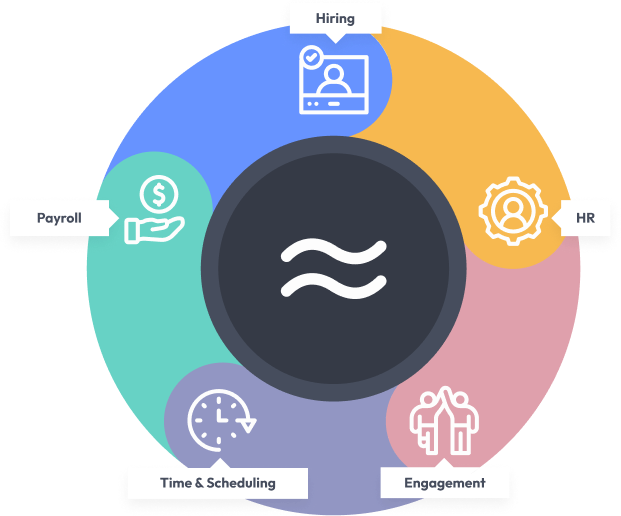

Hiring
Hire better quality workers, faster

HR
Streamline people processes and ensure employee records are always accurate

Engagement
Reduce turnover and increase worker engagement

Time & Scheduling
Manage schedules and hours worked to optimize your labor costs

Payroll
Pay your team quickly, easily, and accurately
resources
Become a hiring and onboarding expert.


Be smart with your hourly workforce
