



How to Hire Crew Leaders: Streamline Restaurant Leadership Staffing with Workstream
Discover how Workstream’s all-in-one platform helps you hire crew leaders, recruit shift supervisors, and build a strong restaurant management team—faster, easier, and fully compliant.

How to Hire Crew Leaders: A Practical Guide for Restaurant and Small Business Owners
Building a winning team starts with the right leaders. Whether you’re running a bustling restaurant, a fast-growing franchise, or a local shop, knowing how to hire crew leaders can make or break your business. Let’s be honest—finding that perfect blend of reliability, motivation, and people skills isn’t easy. But with the right approach and a dash of patience, you can recruit shift supervisors, hire team leaders, and find crew managers who keep your operation humming.
What Makes a Great Crew Leader?
Before you post that job ad or schedule interviews, pause for a second. What does your ideal crew leader look like? Are they calm under pressure? Do they inspire others to give their best? Or maybe they’re the glue that holds your team together during the dinner rush. If you ask me, the best leaders are a mix of coach, cheerleader, and traffic cop—all rolled into one.
- Communication: Crew leaders must clearly convey expectations and feedback. For tips on engaging your frontline staff, check out Axonify’s guide on retail communication problems.
- Experience: While not every leader needs years in the industry, some hands-on experience helps. See what qualities matter most in good managers.
- Adaptability: The restaurant world changes fast—your leaders should too.
- Empathy: Understanding team members’ needs is essential for reducing turnover. Explore how organizational culture impacts retention in this study on job satisfaction and turnover intention.
- Accountability: Great crew managers own their mistakes and celebrate wins with their teams.
If you’re not sure what traits to prioritize, check out these seven qualities of a great general manager.
Step-by-Step: How to Hire Crew Leaders Who Stick
1. Write a Job Description That Attracts Leaders—Not Just Followers
Your job post is your first handshake with potential candidates. Make it count! Highlight growth opportunities, team culture, and the real impact leaders have on your business. For inspiration, browse examples of effective job postings. Don’t forget to call out benefits and perks—yes, even if they’re as simple as free meals or flexible shifts. Learn how to showcase them with these tips for calling out benefits in job descriptions.
2. Source Candidates Where They Hang Out
Let’s be real: Not every future crew leader is scrolling LinkedIn. Many are on Facebook groups or even Instagram. Consider posting jobs where your target talent spends their time—see how to use Instagram for hiring hourly workers. And don’t overlook the power of referrals from your current staff!
- Explore digital recruiting strategies to broaden your reach.
- Find candidates proactively by tapping into niche communities.
- Check out top free job posting sites to maximize exposure without breaking the bank.
3. Screen for Leadership Potential (Not Just Past Titles)
It’s tempting to only look at resumes, but interviews reveal so much more. Ask scenario-based questions: “How would you handle a last-minute callout?” or “Describe a time you resolved a team conflict.” For more interview inspiration, see these motivational interviewing techniques or try these cultural fit interview questions.
If you want to go deeper, behavioral assessments like the Predictive Index System can help spot leadership qualities early.
4. Move Fast—But Don’t Rush It
The best candidates won’t wait around forever. Automated hiring tools can help you schedule interviews and send reminders so nobody slips through the cracks. Platforms like Workstream’s hiring automation suite can cut your time-to-hire in half—seriously, half! That means less ghosting and fewer missed opportunities.
5. Onboard Like You Mean It
You’ve found your new crew leader—now set them up for success! A structured onboarding process boosts retention and performance from day one. Discover why onboarding matters in this employee onboarding statistics report. For practical onboarding templates, check out these onboarding templates for new hires.
Avoiding Common Pitfalls When You Hire Management Staff
I’ve seen it too many times: businesses promote their best worker to crew leader, only to watch them struggle with the new responsibilities. Leadership is a different skill set. Here’s what to watch out for:
- Burnout: New leaders need support—don’t just throw them into the deep end. Learn about burnout causes in this Gallup article on employee burnout.
- Lack of Training: Even natural leaders benefit from formal training sessions. See how effective training works at BLR’s guide to training techniques.
- Poor Communication: If expectations aren’t clear, nobody wins. For tips on improving teamwork, check out these ways to improve labor and productivity.
- No Feedback Loop: Regular check-ins help new leaders grow and feel valued.
If you want to see how top franchises avoid these pitfalls, read about Five Guys’ growth story or learn how Dunkin’ became a top fast food chain.
The Secret Sauce: Restaurant Leadership Staffing Trends & Tech
The restaurant industry is changing fast—think mobile scheduling apps, instant pay access, and AI-powered hiring tools. Modern platforms like Workstream streamline everything from recruiting to onboarding, saving you hours each week and reducing costly turnover. Want proof? Some businesses have slashed turnover by half and saved thousands per year just by upgrading their tech stack.
- See how high employee turnover affects restaurants.
- Learn how to fix high restaurant employee turnover rates.
- Understand the real cost of turnover in restaurants.
- Find out what keeps hourly workers loyal and happy.
- Discover how benefits impact recruitment & retention in restaurants.
- See what makes restaurant employees happy according to surveys.
- Explore causes of turnover in hospitality—and how to stop it.
- Read how one fast-food chain keeps turnover rates low.
- Understand why high turnover costs more than you think.
- Get robust retention strategies from SHRM experts.
If you’re curious about how technology can help with compliance (and save you $25K a year on lawsuits and fees), or want to see how you can replace multiple HR tools with one platform, take a closer look at what Workstream offers on their platform page.
Conclusion: Hiring Crew Leaders Is an Investment—Make It Count!
The right crew leader doesn’t just keep the line moving—they inspire loyalty, boost morale, and help your business thrive even when things get hectic. Take time to define what you need, use smart tools to streamline your process, and never underestimate the power of solid onboarding. And if you ever feel stuck or overwhelmed by all the moving parts of restaurant leadership staffing, remember: technology like Workstream is built specifically for businesses like yours—so you can spend less time wrestling with paperwork and more time building a winning team.
If you want more hands-on tips about how to hire management staff or improve your restaurant’s hiring process, explore these resources:
.svg)


All your important HR tasks under one roof
Today’s business owners and HR teams are overwhelmed with administrative tasks: manual processes and exports, duplicative data entry, and siloed information. Workstream centralizes and simplifies people tasks so you can move fast, reduce labor costs, and simplify operations—all in one place.
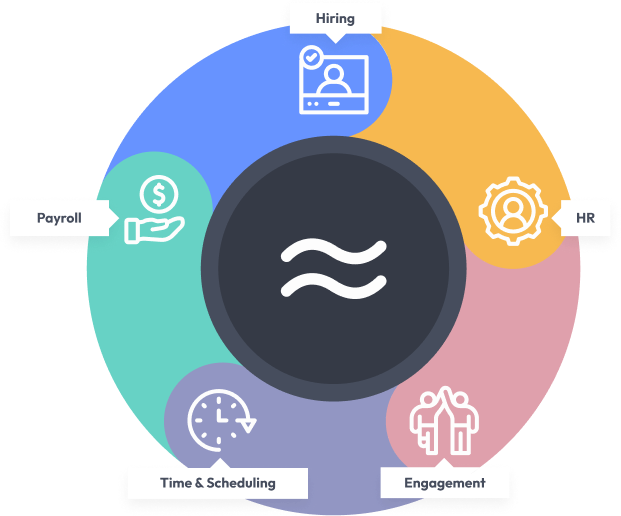

Hiring
Hire better quality workers, faster

HR
Streamline people processes and ensure employee records are always accurate

Engagement
Reduce turnover and increase worker engagement

Time & Scheduling
Manage schedules and hours worked to optimize your labor costs

Payroll
Pay your team quickly, easily, and accurately
resources
Become a hiring and onboarding expert.

Be smart with your hourly workforce
