



How to Hire Rehab Technicians: Step-by-Step Guide for Finding and Retaining Top Talent
Discover the best practices to hire rehab technicians, from crafting job descriptions to interviewing candidates, and build a skilled team for your facility’s success.

How to Hire Rehab Technicians: A Practical Guide for Small Business Owners
Let’s be real—if you’re trying to hire rehab technicians for your clinic, therapy practice, or rehab center, you know the struggle is more than just sifting through resumes. It’s about building a team that clicks, delivers quality care, and sticks around longer than a season of your favorite show. So, how do you find therapy technicians who are the right fit? What should you look for, and how do you avoid the classic pitfalls that trip up even seasoned managers? Let’s break it down, with a few side notes you’ll want to keep in mind if you’re hoping to recruit rehab technicians who’ll make a real difference.
The Rehab Technician Role: More Than Just a Helping Hand
Understanding the Job: Physical Therapy Aides and Occupational Therapy Technicians
First things first—what exactly does a rehab technician do? Whether you’re looking for physical therapy aides or occupational therapy technicians, these folks are the backbone of your therapy team. They handle everything from prepping treatment areas and assisting with patient exercises to keeping records and equipment in check. Honestly, they’re the glue that keeps your practice running smoothly.
But here’s the thing: the job isn’t just about following orders. You want people who can think on their feet, communicate well, and bring a bit of empathy to the table. If you ask me, finding therapy technicians with these soft skills is just as important as any certification.
Compliance and Legal Details—Don’t Skip This!
Let’s not forget the legal side. The U.S. Department of Labor requires accurate recordkeeping for all employees, including hourly staff like rehab techs. Make sure you’re staying on top of wage laws, overtime, and documentation. If you’re not careful, you could be staring down a compliance headache that costs way more than you bargained for. And if you want to make life easier, platforms like Workstream can help automate those tedious admin tasks, keeping you out of hot water and freeing up your time for what matters—your patients.
Recruiting Rehab Technicians: Where to Start and What to Watch Out For
Crafting the Right Job Posting
Let’s be honest, a bland job post won’t cut it. You want to attract the best, so highlight what makes your workplace special. Mention growth opportunities, flexible schedules, and any unique perks. For inspiration, check out these job posting examples and creative tips to make your job posting stand out.
Don’t forget to call out benefits—studies show that benefits are a huge draw for hourly workers, even in healthcare. If you offer tuition assistance, wellness programs, or instant pay access, shout it from the rooftops (or at least, your job ad). Need help wording it? Here are tips for calling out benefits in your job descriptions.
Where to Find Therapy Technicians
- Use specialized job boards and local schools with therapy programs.
- Leverage social media—Instagram and Facebook are goldmines for finding hourly talent. Here’s how to use Instagram to hire hourly workers.
- Tap into your current team’s network—employee referrals can be a game-changer.
And don’t forget, digital recruiting is evolving fast. For a deeper dive, check out digital recruiting strategies and recruitment marketing benchmarks to see what’s working in 2024.
Screening and Interviewing: Beyond the Resume
Honestly, resumes only tell part of the story. Use pre-employment assessments and structured interviews to get a sense of each candidate’s real-world skills and attitude. Don’t be afraid to ask cultural fit interview questions—after all, you want team players, not lone wolves.
Want to cut down on no-shows and speed up the process? Automated scheduling tools and text-based communication (like those in Workstream’s hiring automation suite) can save you hours each week and reduce interview no-shows by over 50%. That’s not just talk—the data backs it up.
Retention: Keeping Your Best Rehab Techs for the Long Haul
Why Turnover Hurts (And How to Fix It)
High turnover is a silent profit killer. According to industry research, losing a single front-line employee can cost thousands in recruitment and lost productivity. And the healthcare sector is no exception—turnover in hospitality and healthcare is notoriously high. Want to keep your best techs? Focus on engagement, recognition, and career growth. Simple, right? Well, not always—but it’s worth the effort.
For practical retention strategies, see how to reduce employee turnover and what turnover really costs. Even though those resources focus on restaurants, the lessons translate well to any business with hourly staff.
Training, Onboarding, and Culture
Ever notice how new hires either hit the ground running or flounder? That’s onboarding at work. A streamlined onboarding process—think digital forms, mobile checklists, and automated reminders—can shave days off your ramp-up time. For ideas, check out onboarding templates for a great new hire experience and how to get onboarding right.
But onboarding is just the start. Ongoing training keeps your team sharp and motivated. See effective training techniques and how to bring out the best in people for more.
And don’t underestimate the power of culture. A positive environment boosts job satisfaction and reduces turnover, as shown in studies on job satisfaction and turnover. If you want your techs to stick around, invest in a culture where they feel valued and heard.
Tools and Tech: Streamlining the Hiring Process
Why Automation and Mobile Matter
Let’s face it—paperwork is nobody’s favorite part of the job. That’s where platforms like Workstream come in. Their mobile-first approach lets you manage everything from hiring to payroll in one place, cutting down on manual entry and compliance risks. You’ll save time, reduce errors, and keep your team connected—whether you’re hiring a single physical therapist or building out a full staff of rehab techs.
And if you’re curious about how other brands are using tech to improve scheduling and engagement, see how Gap gave employees more control over their schedules and how McDonald’s keeps its workforce engaged.
Key Metrics to Track
- Time-to-hire: How long does it take to fill a rehab tech role?
- Turnover rate: Are your techs sticking around?
- Engagement scores: How satisfied are your employees?
- Compliance: Are your records up to date and audit-ready?
Tracking these metrics helps you spot issues before they snowball. For more on setting and tracking goals, check how to set SMART goals.
Conclusion: Hiring Rehab Technicians Doesn’t Have to Be a Headache
Sure, the process to hire rehab technicians can seem daunting, but with the right approach—and a little help from modern tools—you can build a team that delivers results and sticks around. Focus on clear job postings, smart screening, engaging onboarding, and a supportive culture. And don’t forget, automating those repetitive HR tasks with a platform like Workstream can save you time, money, and a whole lot of stress. After all, wouldn’t you rather spend your day helping patients than chasing down paperwork?
Want to Learn More?
- Explore hiring automation tools for hourly staff
- See how franchisees scale their teams
- Discover traits of committed employees
- Get tips for celebrating employee milestones
- Contact Workstream for more support
.svg)


All your important HR tasks under one roof
Today’s business owners and HR teams are overwhelmed with administrative tasks: manual processes and exports, duplicative data entry, and siloed information. Workstream centralizes and simplifies people tasks so you can move fast, reduce labor costs, and simplify operations—all in one place.
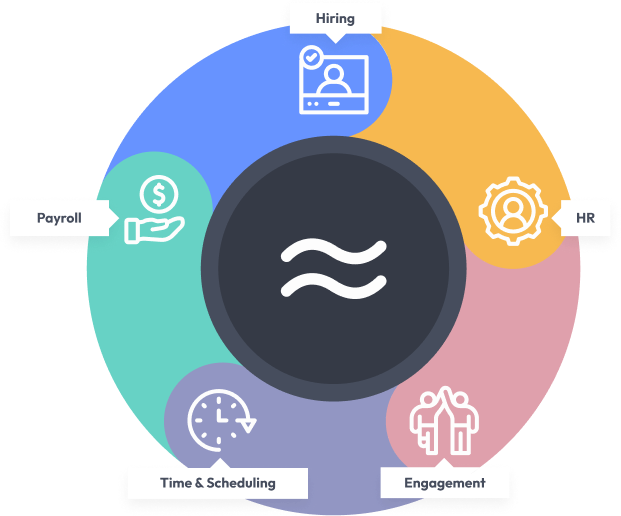

Hiring
Hire better quality workers, faster

HR
Streamline people processes and ensure employee records are always accurate

Engagement
Reduce turnover and increase worker engagement

Time & Scheduling
Manage schedules and hours worked to optimize your labor costs

Payroll
Pay your team quickly, easily, and accurately
resources
Become a hiring and onboarding expert.



Be smart with your hourly workforce
