



How to Hire Telecommunications Managers: Tips to Find, Interview, and Retain Top Talent
Discover effective strategies to hire telecommunications managers, attract top talent, and streamline your recruitment process with our comprehensive step-by-step guide.

How to Hire Telecommunications Managers: A Practical Guide for Small Businesses
Let’s be honest—finding the right person to lead your telecom team can feel a bit like searching for a needle in a haystack, except the haystack is made of resumes and the needle keeps getting poached by your competitors. If you’re looking to hire telecommunications managers who will stick around, drive results, and keep your tech humming, you’re in the right place. Whether you’re a franchisee, a restaurant group branching into delivery, or a retail owner juggling multiple vendors, telecom management hiring is more crucial than ever. Let’s break down the essentials, common pitfalls, and a few real-world tips to help you build a team that won’t leave you hanging on the line.
Why Hiring the Right Telecom Manager Matters
Before we get into the nitty-gritty, let’s talk about why this role is so pivotal. A strong telecom manager isn’t just about keeping your phones and internet running—they’re the connective tissue between your business, your staff, and your customers. They’re the ones who make sure your systems don’t crash during the lunch rush or on Black Friday. And if you ask me, that’s worth its weight in gold.
- High turnover in telecom roles can cost you big—just like employee turnover in restaurants or retail.
- Effective managers improve team engagement, which is proven to boost retention (see Harvard Business Review’s research on hourly workers).
- Compliance and recordkeeping are critical—especially with evolving tech and privacy laws. The U.S. Department of Labor has strict requirements you can’t ignore.
What Makes a Great Telecom Manager?
Sure, technical chops matter. But the best telecom supervisors also have:
- Leadership skills—think of them as the quarterback, not just the play-caller (good managers share common traits).
- Problem-solving abilities—because when the WiFi drops, you want someone who doesn’t panic.
- Communication skills—especially when explaining tech issues to non-tech folks (we’ve all been there).
How to Source and Attract Top Telecom Talent
Start with a Clear Job Description
Don’t just copy-paste a generic listing. Tailor your job post to reflect your company’s culture, growth opportunities, and the real challenges of the role. For inspiration, check out these tips for writing effective handbooks and job descriptions—the principles apply beyond restaurants.
Highlight benefits, career paths, and your company’s unique perks. According to DoorDash’s report on benefits and retention, strong benefits packages are a magnet for top talent—even in tech roles.
Use the Right Channels
- Leverage digital recruiting—platforms like Monster and Appcast’s recruitment benchmarks can help you reach more candidates.
- Tap into professional networks and ask for referrals. Employee referrals can be a goldmine, as explained in SHRM’s referral program guide.
- Don’t underestimate the power of creative recruitment ads—sometimes a little humor goes a long way (see these creative examples).
Screening and Interviewing: Go Beyond the Resume
It’s tempting to focus on technical certifications, but don’t forget about cultural fit and leadership potential. Use structured interviews—like the STAR method—to dig into real-world problem-solving. And if you’re not sure what to ask, try these cultural fit interview questions to gauge alignment with your team.
For a little extra help, consider digital assessment tools like eSkill for pre-employment tests. They can save you hours and help you spot red flags before they become headaches.
Onboarding and Retaining Your Telecom Managers
Onboarding: Set the Stage for Success
The first days matter—a lot. A strong onboarding process can reduce turnover and boost engagement. Take a cue from Forbes’ onboarding advice and streamline paperwork, training, and team introductions. Or, if you want a shortcut, check out these onboarding templates that make it easy to get new hires up to speed—no more chasing signatures or losing track of forms.
Retention: Keep Your Best People on the Line
Let’s be real—tech managers are in high demand, and turnover is expensive. The cost of turnover isn’t just about recruiting; it’s lost productivity, training, and sometimes even lost customers. So, how do you keep your best folks?
- Offer clear career paths—people want to know they can grow (WTW’s talent management study).
- Invest in ongoing training and skills development (BLR’s training techniques).
- Recognize and reward achievements—sometimes a simple thank you goes a long way (Robert Half’s advice).
- Foster a positive culture—job satisfaction is directly tied to retention (study on job satisfaction and turnover).
Compliance and Legal Considerations
Don’t forget the paperwork. Telecom roles often involve sensitive data and compliance with federal and state laws. Make sure you’re up to date on recordkeeping requirements and wage laws. And if you’re not sure, consult with a legal pro or use a platform that bakes compliance right into your workflow—like Workstream’s HR suite.
How Workstream Simplifies Telecom Management Hiring
Here’s the thing: juggling multiple HR tools, spreadsheets, and manual processes is a recipe for mistakes—and headaches. Workstream brings everything together in one mobile-friendly platform, designed specifically for hourly and deskless teams. You can:
- Automate screening, interview scheduling, and onboarding—saving you hours per hire (learn how hiring automation works).
- Centralize employee data and compliance documents, so you’re always audit-ready.
- Reduce turnover by up to half, thanks to better engagement tools and streamlined communication (see what makes employees stick around).
- Replace multiple HR tools, cutting your costs by as much as $30,000 a year.
Honestly, if you’re tired of chasing paperwork or worrying about compliance, it’s worth checking out Workstream’s platform. It’s built for businesses like yours—no IT degree required.
Common Pitfalls and How to Avoid Them
- Ignoring cultural fit—technical skills are great, but if your new manager doesn’t mesh with your team, expect friction (cultural fit interview tips).
- Dragging out the hiring process—top candidates get snapped up fast. Automate what you can and move quickly (see how speed impacts hiring).
- Underestimating onboarding—don’t just hand over a laptop and hope for the best. Structured onboarding leads to higher retention (onboarding statistics).
- Neglecting ongoing feedback—regular check-ins and recognition keep managers engaged (bringing out the best in people).
Conclusion: Build a Team That Keeps You Connected
Hiring telecom managers isn’t just about filling a seat—it’s about building a foundation for your business’s future. With the right approach, a little technology, and a focus on people, you can hire telecommunications managers who stick around, drive results, and help your business thrive. Remember, every great team starts with a single great hire. Why not make yours today?
More Resources to Level Up Your Hiring
- Explore onboarding templates for a seamless start.
- Check out traits of committed employees to spot your next superstar.
- Learn about hiring automation to save time and reduce turnover.
- Discover Workstream’s all-in-one HR suite for hourly businesses.
- Find more tips in our restaurant hiring guide—many insights apply to telecom too!
.svg)


All your important HR tasks under one roof
Today’s business owners and HR teams are overwhelmed with administrative tasks: manual processes and exports, duplicative data entry, and siloed information. Workstream centralizes and simplifies people tasks so you can move fast, reduce labor costs, and simplify operations—all in one place.
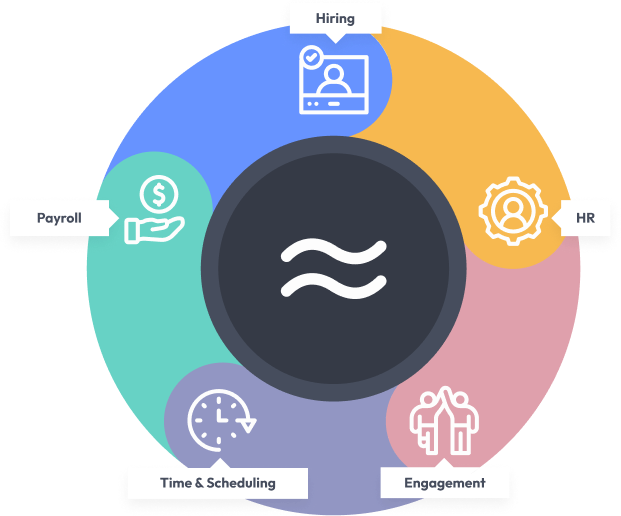

Hiring
Hire better quality workers, faster

HR
Streamline people processes and ensure employee records are always accurate

Engagement
Reduce turnover and increase worker engagement

Time & Scheduling
Manage schedules and hours worked to optimize your labor costs

Payroll
Pay your team quickly, easily, and accurately
resources
Become a hiring and onboarding expert.



Be smart with your hourly workforce
